Pulse jet dust collectors are widely used in industrial settings to remove particulate matter from air streams. The process of conveying powder through these systems is a critical component of the overall dust removal operation. Understanding the fundamentals of pulse jet powder conveying is essential for optimizing system performance and ensuring efficient material handling. This article explores the concept of pulse jet dust collector powder conveying and delves into the design principles that govern its operation.
Key Components of Pulse Jet Powder Conveying Systems
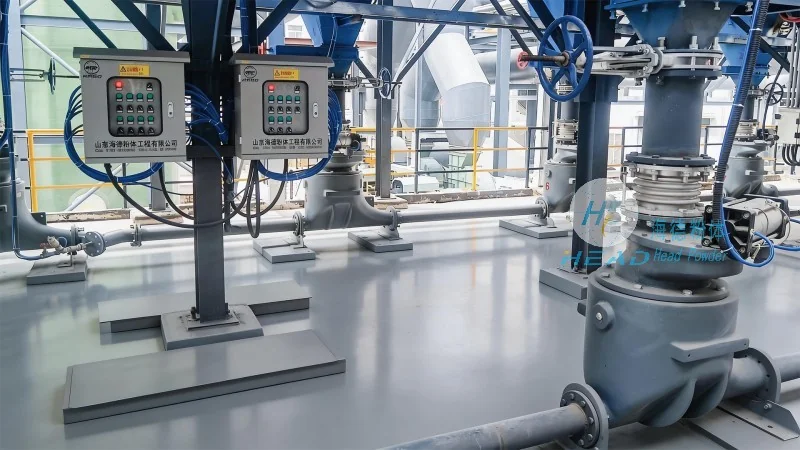
A pulse jet dust collector powder conveying system typically consists of several key components that work in tandem to transport powders. The primary elements include the dust collector housing, a hopper or feed bin for storing the material, a conveying line (often a flexible or rigid tube), and a pulse jet valve system. The hopper is designed to hold the bulk material, and a feeder mechanism (such as a rotary valve or screw feeder) controls the flow of powder into the conveying line. The conveying line is usually made of materials like stainless steel or polyethylene to withstand the abrasive nature of the powder and the pressure pulses. The pulse jet valve, which is the heart of the system, generates high-pressure air pulses to create a vacuum or pressure differential that propels the powder through the line.
Working Principle of Pulse Jet Powder Conveying
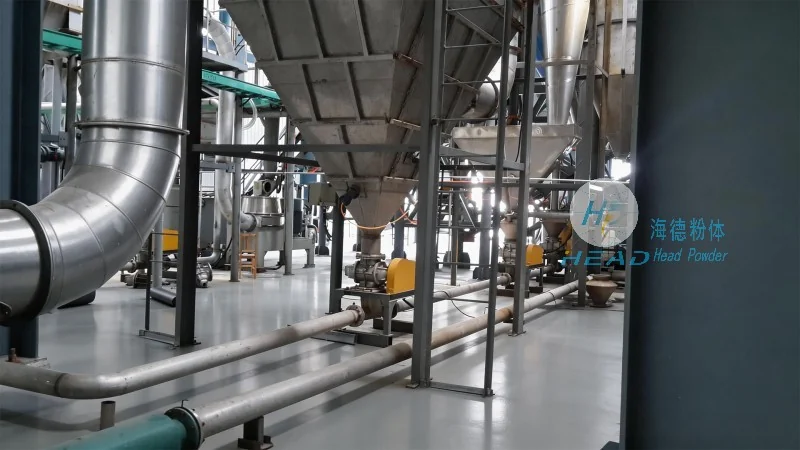
The operation of a pulse jet powder conveying system relies on the principle of creating a rapid pressure change to move the material. When the pulse jet valve opens, it releases a high-pressure air pulse into the conveying line. This pulse creates a sudden drop in pressure, which draws the powder from the hopper into the line. The air pulse then carries the powder through the line to the destination, such as a storage silo or processing unit. The cycle repeats at regular intervals, ensuring a continuous flow of material. The frequency and duration of the pulses can be adjusted to optimize the conveying rate and prevent blockages or material degradation.
Design Considerations for Efficient Powder Conveying
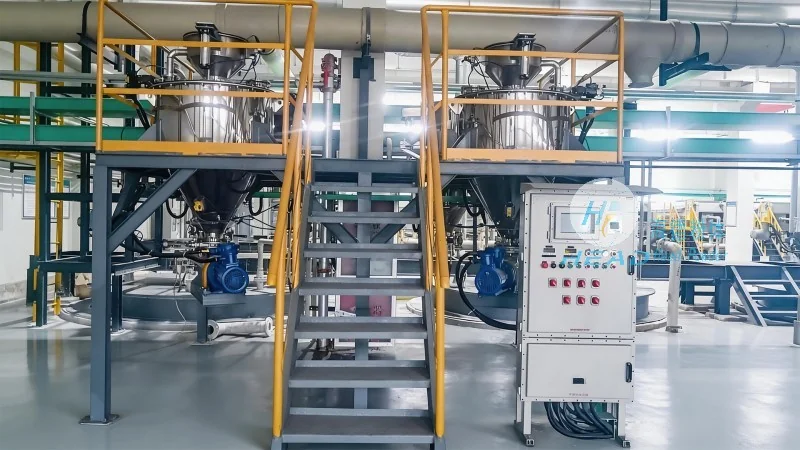
Designing an effective pulse jet powder conveying system requires careful consideration of several factors to ensure reliable operation and minimize maintenance. The first consideration is the material characteristics of the powder, including its particle size, density, and flowability. Coarse or abrasive powders may require larger conveying lines or specialized liners to prevent wear. The system's layout and the distance between the hopper and the destination are also critical. Longer conveying distances may necessitate higher pulse pressures or additional booster units to maintain the material's velocity. Additionally, the system must be designed to handle variations in material feed rate, ensuring that the pulse frequency can be adjusted dynamically to maintain a consistent flow. Proper sealing and maintenance of the pulse jet valve and feeder mechanisms are essential to prevent air leaks and material loss.
Applications and Benefits of Pulse Jet Powder Conveying
Pulse jet dust collector powder conveying is widely used in various industries, including pharmaceuticals, food processing, and chemical manufacturing. The primary benefits of this technology include high efficiency in dust removal, minimal maintenance requirements, and the ability to handle a wide range of powder types. The system's flexibility allows it to be integrated into existing production lines without significant modifications. Additionally, the use of pulse jet technology reduces the risk of material degradation compared to other conveying methods, as the high-pressure pulses are gentle enough to avoid agglomeration or particle breakage. This makes it particularly suitable for sensitive materials that require careful handling.
About Shandong HeadPowder Engineering Co., Ltd.
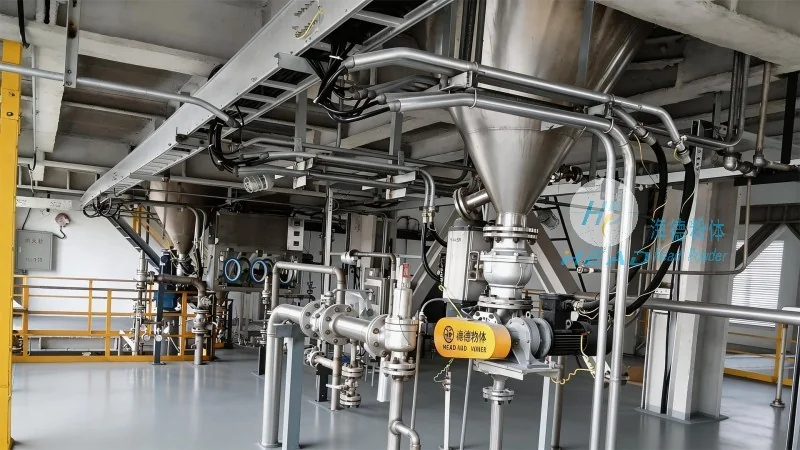
Shandong HeadPowder Engineering Co., Ltd., commonly known as HeadPowder, is a leading manufacturer of industrial dust collection and powder handling equipment. With a focus on innovation and quality, HeadPowder specializes in designing and manufacturing pulse jet dust collectors and related conveying systems. The company's products are engineered to meet the stringent requirements of various industries, ensuring reliable performance and long-term durability. HeadPowder's commitment to customer satisfaction and technical excellence has made it a trusted partner for businesses seeking efficient and effective powder handling solutions. The company's headquarters is located in Shandong, China, where it operates a state-of-the-art manufacturing facility and research and development center.




