Green bean powder conveying is a specialized process in the food and powder handling industry, focusing on the efficient movement of green bean powder from one location to another. This technology is crucial for manufacturers dealing with green bean-based products, as it ensures the safe and effective transfer of the powder while maintaining its quality and integrity. Understanding the mechanisms behind this process, along with its design principles, is essential for optimizing production lines and enhancing operational efficiency.
Introduction to Green Bean Powder Conveying
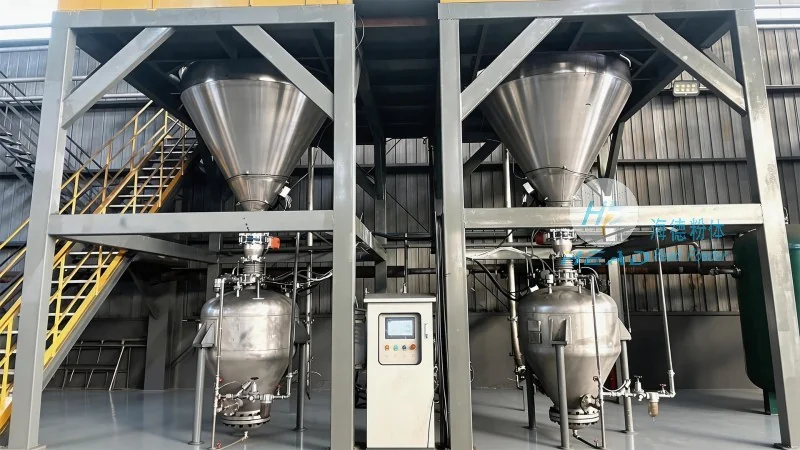
Green bean powder conveying involves the use of various equipment and systems designed to transport green bean powder, which is a fine, dry powder derived from green beans. This powder is often used in food products such as beverages, snacks, and nutritional supplements. The primary goal of green bean powder conveying is to move this powder from storage silos or processing units to packaging lines or other processing stages without causing degradation, contamination, or loss of product quality. The design of conveying systems for green bean powder must consider several factors, including the powder's physical properties, such as particle size, moisture content, and flowability, as well as the environmental conditions in which the system operates.
Key Components of Green Bean Powder Conveying Systems
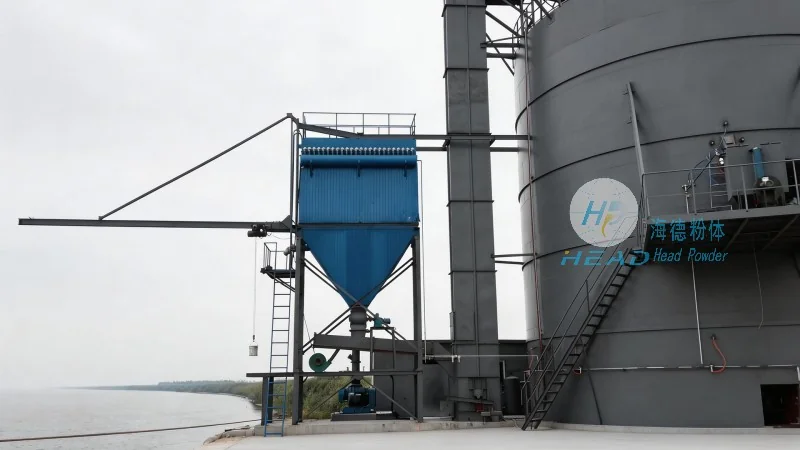
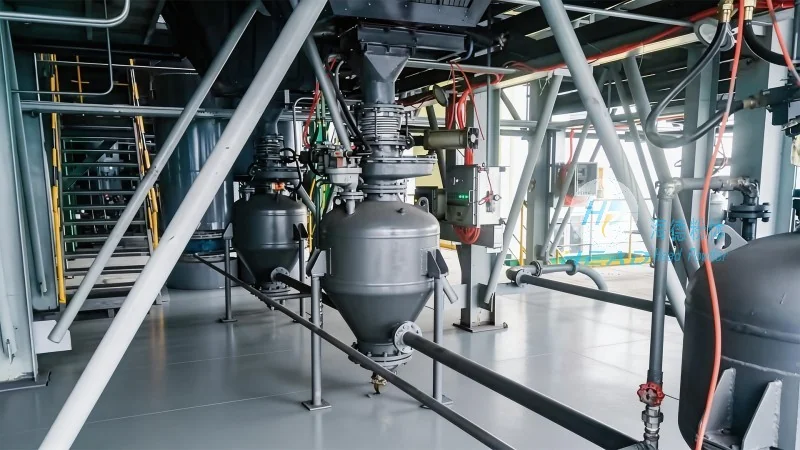
Effective green bean powder conveying systems typically consist of several key components that work in tandem to ensure smooth and reliable operation. These components include feeders, conveyors, and control systems. Feeders are responsible for uniformly feeding the green bean powder into the conveying system, preventing blockages and ensuring consistent flow rates. Common types of feeders used in green bean powder conveying include rotary valves, vibratory feeders, and screw feeders, each chosen based on the specific characteristics of the powder and the application requirements. Conveyors, on the other hand, are the core of the system, responsible for transporting the powder through the system. Different types of conveyors are used depending on the distance and layout of the conveying path, such as pneumatic conveyors, which use air pressure to move the powder, or mechanical conveyors like belt conveyors or bucket elevators. Control systems are essential for monitoring and regulating the operation of the conveying system, ensuring that it operates within safe and efficient parameters. These systems may include sensors to detect powder levels, flow rates, and any blockages, as well as controllers to adjust the speed of feeders and conveyors as needed.
Design Principles for Green Bean Powder Conveying
The design of green bean powder conveying systems follows several fundamental principles aimed at maximizing efficiency, safety, and product quality. One of the most critical principles is maintaining the integrity of the powder by minimizing exposure to air, moisture, and contaminants. This is achieved through the use of sealed systems and proper sealing of all components, including feeders, conveyors, and storage vessels. The design also considers the flowability of the powder, ensuring that the system can handle the powder's characteristics without causing bridging, caking, or segregation. Bridging occurs when powder particles stick together, forming a solid plug that blocks the flow, while caking is the formation of hard lumps that can damage equipment. Segregation is the separation of powder particles based on their size, density, or shape, which can lead to uneven product quality. To prevent these issues, the design incorporates features such as inclined chutes, vibration, and air jets to maintain the powder's flowability and prevent blockages. Another important design principle is energy efficiency. The system is designed to use the least amount of energy possible while still achieving the required conveying capacity. This includes selecting the appropriate type of conveyor for the application, optimizing the speed of the system, and using energy-efficient motors and controls. Additionally, the design considers the space constraints of the facility, ensuring that the conveying system can be installed and operated within the available footprint without compromising performance. The system is also designed for easy maintenance and cleaning, as regular maintenance is crucial for preventing equipment failure and ensuring product quality. This includes features such as easy access to components, removable parts, and cleaning-in-place (CIP) systems. Finally, the design adheres to safety standards and regulations, ensuring that the system operates safely for operators and prevents accidents. This includes the use of safety guards, emergency stop buttons, and proper ventilation to remove dust and other airborne particles.
Applications of Green Bean Powder Conveying
Green bean powder conveying systems are widely used in various industries, particularly in the food and beverage sector. The primary application is in the processing of green bean-based products, where the powder is conveyed from storage to packaging lines. This is crucial for manufacturers who produce green bean beverages, such as smoothies or energy drinks, as it ensures that the powder is delivered to the packaging line in a consistent and efficient manner. The system is also used in the production of green bean snacks, such as energy bars or crackers, where the powder is mixed with other ingredients before being formed into the final product. Additionally, green bean powder conveying is used in the pharmaceutical and nutraceutical industries, where the powder is used as an ingredient in supplements or medications. In these applications, the system must meet stringent quality and safety standards, ensuring that the powder is handled in a sterile and contamination-free environment. The design of the conveying system must also consider the specific requirements of each application, such as the required conveying capacity, the distance to be covered, and the environmental conditions in which the system operates.
Conclusion
In conclusion, green bean powder conveying is a critical process in the food and powder handling industry, designed to efficiently and safely transport green bean powder. The design of these systems follows several fundamental principles, including maintaining product integrity, ensuring efficient flow, and adhering to safety standards. The key components of the system, such as feeders, conveyors, and control systems, work together to achieve these goals. The applications of green bean powder conveying are diverse, ranging from food and beverage production to pharmaceutical and nutraceutical industries. As manufacturers continue to seek more efficient and effective ways to handle green bean powder, the design of these systems will continue to evolve, incorporating new technologies and materials to improve performance and reduce costs. The company, Shandong HeadPowder Engineering Co., Ltd., specializes in the design and manufacturing of green bean powder conveying systems, providing customized solutions to meet the specific needs of their clients. With their expertise and commitment to quality, they help manufacturers optimize their production lines and enhance operational efficiency.




