What is Boron Nitride Powder Handling? And What Are Its Design Principles?
Release time:2026-09-14 13:31:31
name of the company:Shandong Headpowder Engineering Co., Ltd.
telephone:156-6277-7102
contacts:Zhang manager
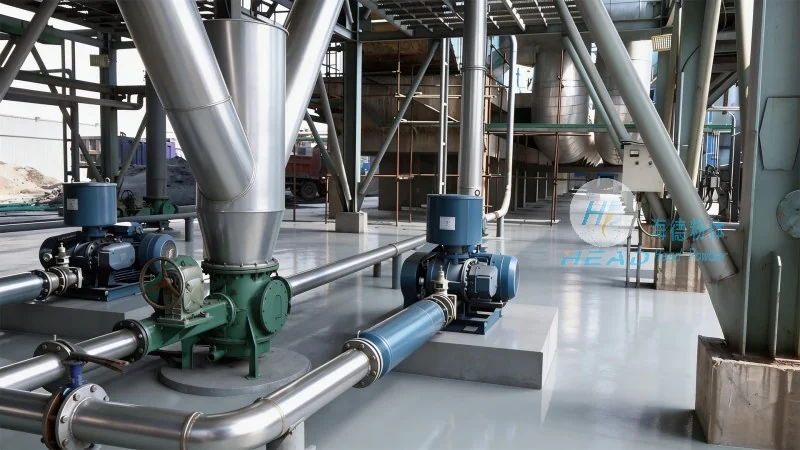
Boron nitride (BN) powder handling is a critical process in various industrial applications, particularly in the manufacturing of advanced materials and components. The efficient and safe transport of BN powder is essential for maintaining product quality and ensuring operational efficiency. This article explores the fundamental aspects of BN powder handling, including its purpose and the underlying design principles that govern its implementation.
The Importance of Proper Boron Nitride Powder Handling
BN powder, known for its excellent thermal stability, chemical inertness, and lubricating properties, is widely used in high-temperature applications, electrical insulation, and as a filler in composite materials. However, due to its fine particle size and light weight, handling BN powder requires specialized equipment and methods to prevent issues such as dust accumulation, agglomeration, and material loss. Proper handling ensures that the powder remains in its optimal state, preserving its unique properties for downstream processing.
Key Design Principles for Boron Nitride Powder Handling Systems
The design of BN powder handling systems is based on several critical principles to ensure reliability and performance. These principles include:
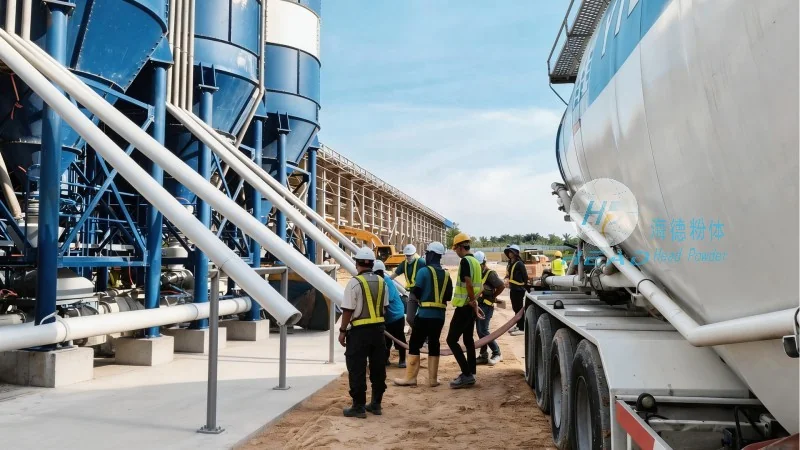
- Containment and Dust Control: Systems must be designed to minimize dust generation and prevent particle loss. This often involves the use of sealed hoppers, enclosed conveyors, and filtration systems to maintain a clean environment and protect personnel.
- Material Compatibility: Components in the handling system, such as hoppers, pipes, and valves, must be compatible with BN powder to avoid contamination or material degradation. Materials like stainless steel, PTFE, or specialized coatings are commonly used to ensure durability and resistance to chemical interactions.
- Flow Optimization: Proper design ensures that the powder flows smoothly through the system without clogging or bridging. This involves selecting appropriate hopper angles, using vibration or air-assisted flow aids, and maintaining consistent particle size distribution to promote uniform flow.
- Energy Efficiency: Efficient handling systems minimize energy consumption through optimized conveyor speeds, reduced pressure drops, and the use of energy-saving components. This not only lowers operational costs but also contributes to environmental sustainability.
Components of a Typical Boron Nitride Powder Handling System
A standard BN powder handling system typically consists of several key components, each playing a vital role in the overall process. These components include:
- Feed Hopper: The initial container that holds the BN powder. It is designed with a specific angle to promote gravity flow and may include a discharge valve or gate to control the release of material.
- Conveyor System: Used to transport the powder from the hopper to the processing equipment. Options include screw conveyors, pneumatic conveying systems, or belt conveyors, depending on the application and material characteristics.
- Valves and Controls: Essential for regulating the flow of powder, such as rotary valves, gate valves, or pneumatic actuators. These components ensure precise control over the material release and prevent backflow or contamination.
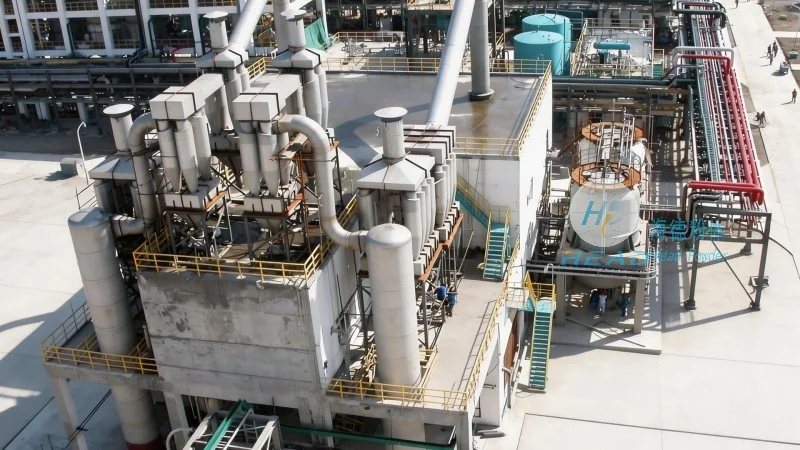
- Filter and Dust Collection: To capture any airborne particles and maintain a clean working environment. This may include cyclone separators, bag filters, or cartridge filters, depending on the required filtration efficiency.
Applications of Boron Nitride Powder Handling
Boron nitride powder handling is integral to various industries, including:
- Electronics: Used in the production of high-temperature ceramics, thermal interface materials, and as a lubricant in semiconductor manufacturing.
- Automotive: Employed in the manufacturing of brake pads, engine components, and as a filler in composite parts.
- Aerospace: Utilized in high-temperature applications, such as rocket nozzles and thermal protection systems.
- Industrial Manufacturing: Used as a filler in plastics, rubbers, and coatings to enhance thermal stability and reduce friction.
Conclusion
Proper boron nitride powder handling is crucial for maintaining the quality and performance of this versatile material. By adhering to key design principles and utilizing appropriate equipment, industries can ensure efficient, safe, and cost-effective processing of BN powder. Companies like Shandong HeadPowder Engineering Co., Ltd., with their expertise in powder handling solutions, play a vital role in supporting the needs of various sectors that rely on boron nitride in their manufacturing processes.




