Carbonaceous powder conveying is a specialized process used in industrial applications to transport powders that contain carbon-based materials. This technology is crucial for industries such as battery manufacturing, carbon black processing, and other sectors where handling fine, carbon-rich powders is essential. The design of these systems must address unique challenges, including dust control, material flow optimization, and equipment durability, to ensure efficient and safe operation.
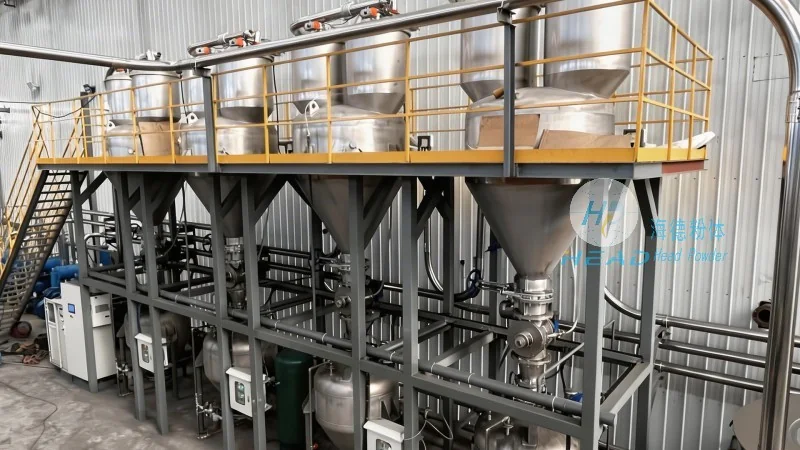
Key Components and System Architecture
At the heart of carbonaceous powder conveying systems are several key components that work in tandem to achieve reliable material transport. These typically include a feeding mechanism, a conveying pipeline (often equipped with air or mechanical drivers), and a control system for regulating flow rates and pressure. The feeding system is critical for ensuring consistent material introduction, while the pipeline design must accommodate the specific properties of carbonaceous powders, such as their tendency to agglomerate or create static charge.
Design Principles for Optimal Performance
One of the primary design principles is maintaining optimal air velocity within the conveying pipeline. This velocity must be high enough to overcome the gravitational forces acting on the powder particles but low enough to prevent excessive wear on the system components. The relationship between air velocity and particle size is a critical factor, as larger particles require higher velocities to remain suspended in the air stream. Additionally, the diameter of the pipeline is carefully selected to balance the need for sufficient cross-sectional area to handle the material volume while minimizing pressure drop and energy consumption.
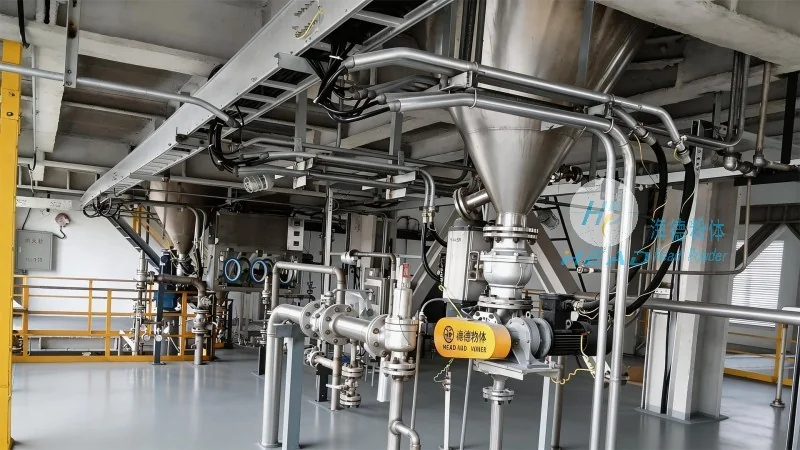
Addressing Unique Material Properties
Carbonaceous powders often exhibit high static electricity, which can lead to material buildup on equipment surfaces and affect the conveying efficiency. To mitigate this, design principles incorporate anti-static measures, such as grounding systems or the use of conductive materials in the pipeline and equipment. Furthermore, the choice of materials for the conveying components—such as stainless steel, PTFE, or specialized coatings—is essential to prevent corrosion and ensure compatibility with the carbon-based powders.
Advanced Control and Automation
Modern carbonaceous powder conveying systems rely on advanced control technologies to optimize performance and ensure safety. These systems often include sensors to monitor pressure, flow rate, and particle concentration, providing real-time data for adjustments. Automation plays a vital role in maintaining consistent operation, reducing human error, and enhancing overall system efficiency. The control system may also integrate with other industrial processes, such as material blending or processing, to create a seamless workflow.
HeadPowder's Expertise in Carbonaceous Powder Conveying
Shandong HeadPowder Engineering Co., Ltd., commonly known as HeadPowder, specializes in the design and implementation of carbonaceous powder conveying systems tailored to the unique needs of industrial clients. With a focus on innovation and practical application, HeadPowder leverages decades of experience in powder handling technology to deliver customized solutions that address the specific challenges of carbon-based material transport. The company’s approach emphasizes collaboration with clients to understand their operational requirements and provide tailored designs that maximize efficiency, reduce downtime, and ensure compliance with safety standards.
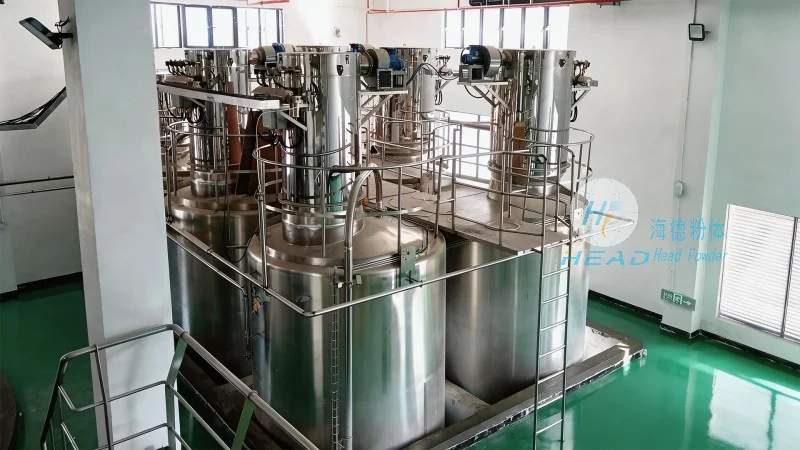
Advantages of HeadPowder's Conveying Solutions
The design principles applied by HeadPowder in their carbonaceous powder conveying systems offer several advantages over traditional methods. By optimizing air velocity and pipeline design, the systems achieve high material throughput with minimal energy consumption. The incorporation of anti-static measures and durable materials ensures long-term reliability and reduces maintenance costs. Additionally, the advanced control systems enable precise regulation of flow rates, allowing for consistent product quality and process control. These features make HeadPowder’s solutions ideal for industries where consistent and reliable powder transport is critical to overall production efficiency.
Conclusion: The Importance of Thoughtful Design in Carbonaceous Powder Conveying
In conclusion, carbonaceous powder conveying is a complex but essential process that requires careful consideration of design principles to ensure efficient and safe operation. From the selection of appropriate materials and pipeline dimensions to the implementation of advanced control systems, each component plays a vital role in the overall performance of the system. Companies like Shandong HeadPowder Engineering Co., Ltd. play a crucial role in developing and deploying these systems, providing industrial clients with reliable solutions that meet their specific needs and contribute to enhanced productivity in carbon-based material handling.




