For industries that rely on precise and efficient handling of bulk powders, the concept of fully automatic powder feeding has become increasingly critical. This technology represents a sophisticated solution designed to streamline the process of transferring and managing powders from storage to processing equipment with minimal human intervention. Understanding what fully automatic powder feeding is and how its design principles work is essential for businesses seeking to enhance operational efficiency and maintain product quality.
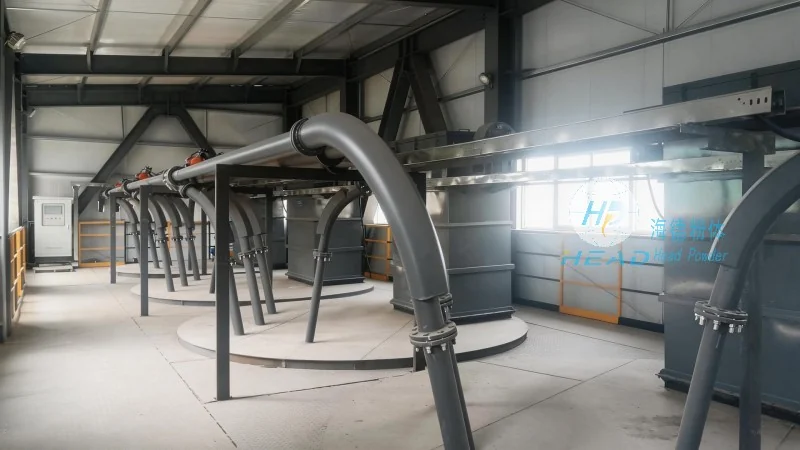
Understanding Fully Automatic Powder Feeding Systems
At its core, a fully automatic powder feeding system is an integrated mechanism that automates the entire workflow of powder handling. This includes functions such as material storage, feeding, conveying, and dosing. The system is engineered to operate without continuous manual supervision, relying on sensors, control systems, and mechanical components to ensure consistent and accurate performance. By eliminating the need for manual labor in repetitive tasks, these systems significantly reduce the risk of human error and improve overall productivity.
Key Components and Their Roles
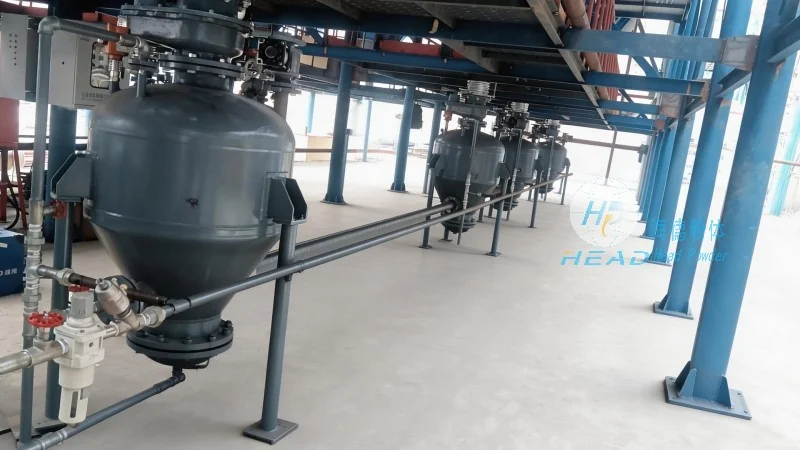
The effectiveness of a fully automatic powder feeding system is attributed to its carefully designed components, each playing a crucial role in the entire operation. The primary components typically include a hopper or silo for material storage, a feeder (such as a rotary valve or screw feeder) for controlled discharge, a conveyor system for transporting the powder to the processing equipment, and a control unit that manages the entire process. Additionally, sensors like level detectors and flow meters are integrated to monitor the material levels and flow rates in real-time, providing feedback to the control system for adjustments.
Design Principles for Optimal Performance
The design of fully automatic powder feeding systems follows several key principles aimed at ensuring reliability, efficiency, and safety. One of the fundamental principles is the use of airtight and dust-proof enclosures to prevent material contamination and protect the environment from dust emissions. This is achieved through the incorporation of sealed hoppers and conveyor systems, often equipped with filtration and ventilation systems. Another critical principle is the implementation of precise control mechanisms, such as variable speed drives and closed-loop feedback systems, which allow for accurate dosing and consistent flow rates. These systems are also designed with safety features, including emergency stop buttons and interlocks, to protect operators and prevent accidents.
The Role of Material Properties in System Design
The design of a fully automatic powder feeding system must consider the specific properties of the powder being handled. Factors such as particle size, density, flowability, and moisture content significantly influence the choice of components and the overall system configuration. For example, powders with poor flowability may require the use of vibrators or agitators to prevent caking and ensure smooth discharge from the hopper. Similarly, materials that are hygroscopic or prone to dust generation may necessitate the use of specialized sealing and filtration systems to maintain product integrity and safety. The system's design must be tailored to the unique characteristics of the powder to ensure optimal performance and longevity.
Benefits of Implementing Fully Automatic Powder Feeding
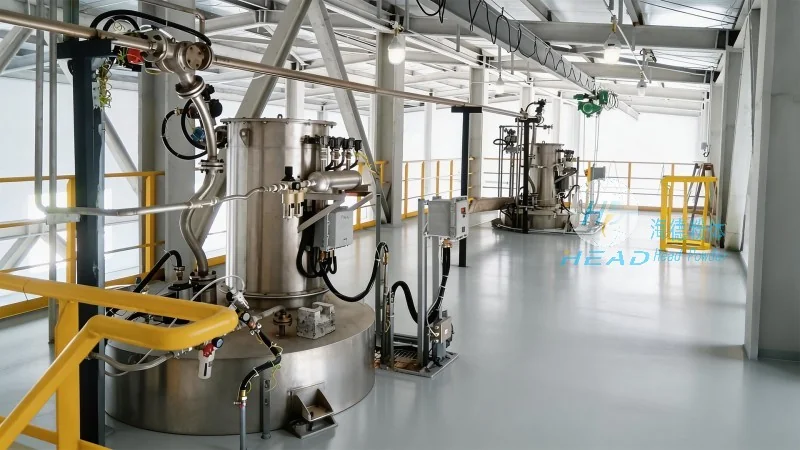
Adopting a fully automatic powder feeding system offers numerous benefits for industrial operations. The most significant advantage is the substantial reduction in labor costs and the elimination of human error, leading to improved product consistency and quality. These systems also enhance operational efficiency by enabling continuous and uninterrupted production, as they can run for extended periods without the need for breaks or manual adjustments. Additionally, the automation of powder handling reduces the risk of workplace accidents, such as dust explosions or material spills, by minimizing human interaction with the process. Furthermore, fully automatic systems provide real-time data and monitoring capabilities, allowing for better process control and troubleshooting.
Case Study: Application in Pharmaceutical Manufacturing
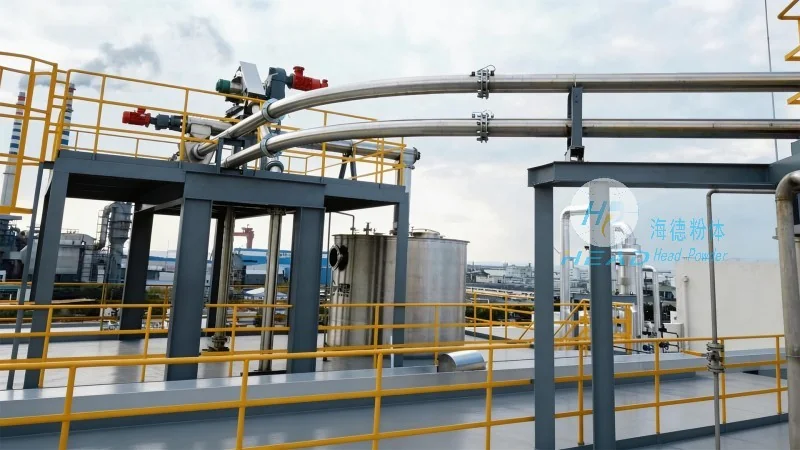
One industry where fully automatic powder feeding systems are widely used is pharmaceutical manufacturing. In this sector, the precision and cleanliness of powder handling are paramount due to the strict regulatory requirements and the need to maintain product purity. A fully automatic system can be designed to meet these stringent standards by incorporating features such as stainless steel construction, HEPA filtration, and aseptic processing. For instance, a pharmaceutical company in China, Shandong HeadPowder Engineering Co., Ltd., has successfully implemented such a system to handle active pharmaceutical ingredients (APIs) and excipients. The system's design, tailored to the specific properties of the powders, ensures accurate dosing and minimal contamination, leading to improved batch consistency and compliance with regulatory guidelines.
Conclusion and Future Trends
Fully automatic powder feeding systems represent a vital advancement in industrial automation, offering significant improvements in efficiency, safety, and product quality. As technology continues to evolve, these systems are likely to become even more sophisticated, incorporating advanced features such as artificial intelligence and machine learning for predictive maintenance and process optimization. The integration of fully automatic powder feeding into industrial processes is not just a trend but a necessity for businesses aiming to remain competitive and compliant in today's market. By understanding the design principles and benefits of such systems, companies can make informed decisions to enhance their operational capabilities and achieve long-term success.




