

What is Heavy Calcium Powder Conveying? And What Are Its Design Principles?
Heavy calcium powder conveying refers to the process of transporting heavy calcium carbonate powder, a common industrial material, from one location to another. This process is crucial in various industries, including plastics, paints, and coatings, where heavy calcium powder is a key raw material. The efficiency and reliability of the conveying system directly impact production quality and operational costs.
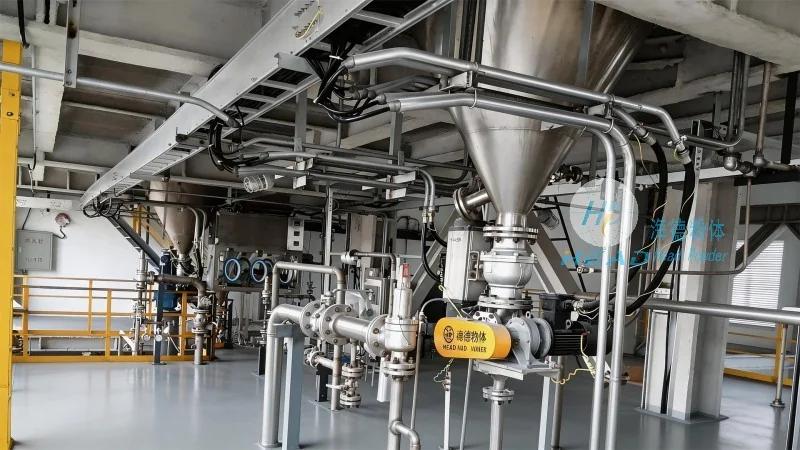
HeadPowder, a leading provider in the field, specializes in designing and manufacturing advanced conveying solutions tailored to the unique characteristics of heavy calcium powder. The company, based in Shandong, China, combines decades of experience with cutting-edge technology to deliver systems that ensure safe, efficient, and cost-effective powder handling.
Understanding Heavy Calcium Powder
Heavy calcium powder, also known as heavy calcium carbonate (CaCO₃), is a white powder with a high specific gravity compared to other calcium carbonates. Its particle size and density make it challenging to convey due to issues like dust generation, caking, and blockage in traditional systems. Effective conveying requires specialized equipment and design considerations to mitigate these challenges.
The Core Design Principles of Heavy Calcium Powder Conveying Systems
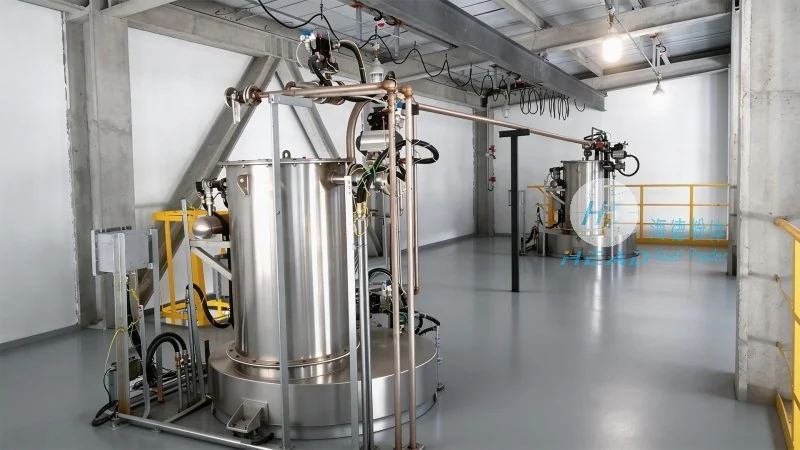
The design of a heavy calcium powder conveying system involves several critical principles aimed at addressing the material's properties and ensuring smooth operation. These principles include:
- Material Handling Efficiency: The system must minimize material degradation and loss during transport. This is achieved through low-friction components and gentle handling mechanisms to prevent particle breakage or agglomeration.
- Prevention of Caking and Blockage: Heavy calcium powder is prone to caking, especially in humid conditions. The design incorporates features like vibration, air agitation, or specialized hopper designs to prevent material buildup and ensure consistent flow.
- Control of Dust and Air Quality: To maintain a safe working environment and comply with environmental regulations, the system includes dust collection and filtration systems. These components capture airborne particles and return them to the conveying line, reducing emissions and improving air quality.
- Energy Efficiency and Cost-Effectiveness: Modern conveying systems are designed to optimize energy usage while minimizing maintenance costs. This includes using efficient motors, variable speed drives, and durable materials that reduce wear and tear over time.
Key Components in Heavy Calcium Powder Conveying Systems
Heavy calcium powder conveying systems typically consist of several key components that work in tandem to achieve effective transport. These components include:
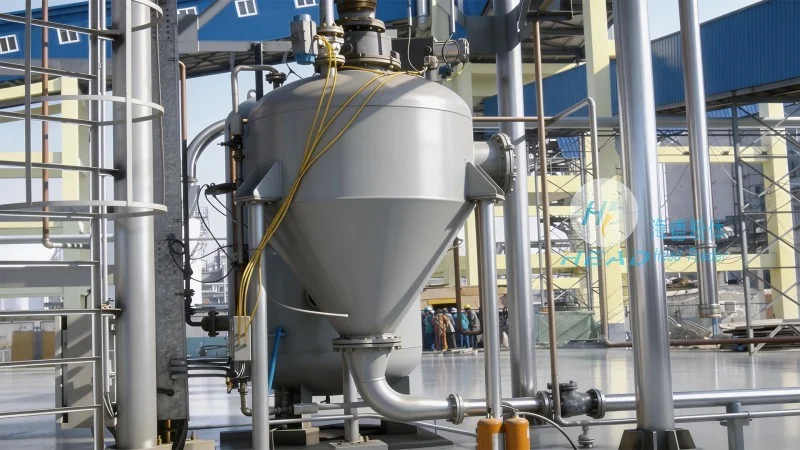
- Hoppers and Feeders: The system starts with a hopper that stores the heavy calcium powder. A feeder, such as a rotary valve or a screw feeder, controls the flow rate of the material into the conveying line, ensuring a consistent and controlled feed.
- Pneumatic Conveying Lines: Many systems use pneumatic conveying, where air is used to transport the powder through a pipeline. This method is ideal for heavy calcium powder due to its ability to handle fine particles and prevent caking. The lines are often equipped with pressure vessels and air compressors to maintain the necessary pressure for transport.
- Conveying Equipment: Depending on the system design, components like air slides, pneumatic transport units, or vacuum systems may be used. These devices ensure the powder moves smoothly through the pipeline without blockages or excessive pressure drops.
- Dust Collection and Filtration: To manage dust and maintain air quality, the system includes dust collectors and filters. These components capture any airborne particles and return them to the conveying line, reducing environmental impact and improving workplace safety.
Applications and Benefits of Heavy Calcium Powder Conveying
Heavy calcium powder conveying systems are widely used in industries that rely on this material as a raw ingredient. The benefits of using an efficient conveying system include improved production efficiency, reduced material waste, and enhanced workplace safety. By ensuring consistent and reliable transport of heavy calcium powder, manufacturers can maintain product quality and reduce downtime caused by system failures or material blockages.
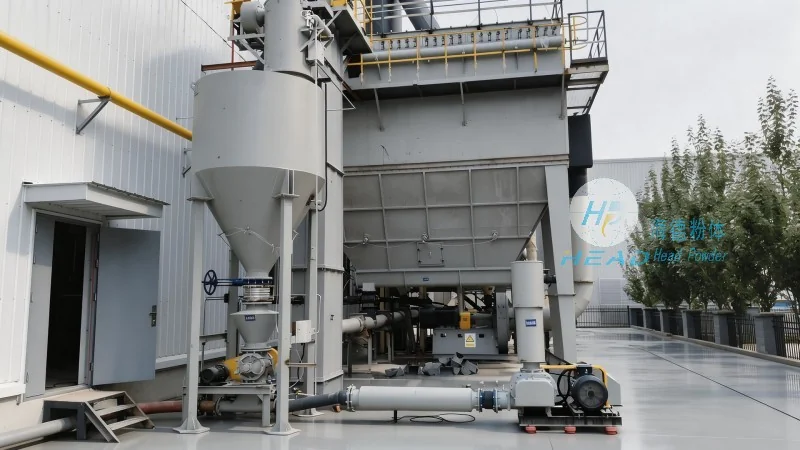
HeadPowder's expertise in heavy calcium powder conveying allows them to provide customized solutions that meet the specific needs of their clients. Whether it's a small-scale operation or a large industrial plant, the company's systems are designed to deliver optimal performance and reliability.
Conclusion
Heavy calcium powder conveying is a critical process in industries that use this material, and the design principles behind effective conveying systems are essential for ensuring efficiency and safety. Companies like Shandong HeadPowder Engineering Co., Ltd. play a vital role in providing advanced solutions that address the unique challenges of handling heavy calcium powder. By understanding the core design principles and key components of these systems, manufacturers can optimize their operations and achieve better results in their production processes.