River sand, a crucial raw material in construction and manufacturing, often requires efficient handling and transportation from its source to processing facilities. Powder conveying systems are essential for managing the flow of this fine material, ensuring it reaches its destination without loss or degradation. This article explores the concept of river sand powder conveying and the fundamental design principles that make such systems effective.
Understanding the Core of River Sand Powder Conveying
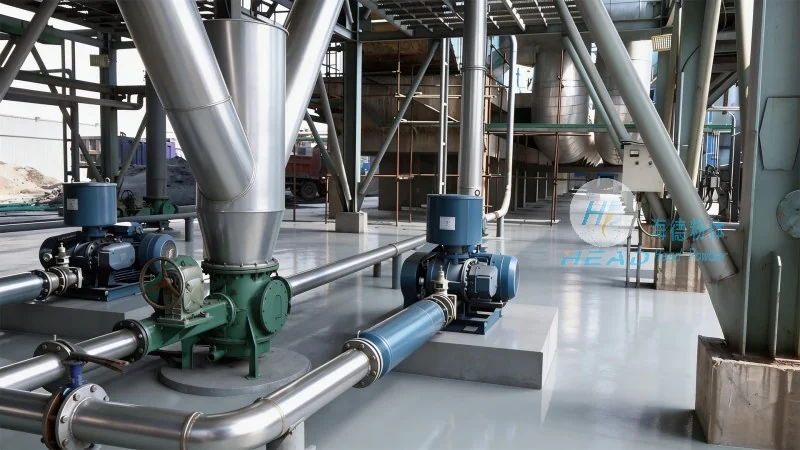
At its essence, river sand powder conveying involves the movement of fine, granular materials like river sand through a system of pipes or ducts using air or mechanical force. The goal is to transport the sand in a controlled manner, minimizing dust generation and ensuring consistent flow rates. This process is critical for industries that rely on river sand, such as concrete production, glass manufacturing, and foundry work.
Design Principles Underpinning Effective Conveying Systems
Several key design principles guide the development of reliable river sand powder conveying systems. First, the system must be tailored to the specific properties of river sand, including its particle size distribution, moisture content, and bulk density. These characteristics influence the choice of conveying method—whether pneumatic (air-assisted) or mechanical (e.g., screw conveyors, belt conveyors). Second, the design must prioritize efficiency and energy conservation. This involves optimizing the air velocity in pneumatic systems to minimize energy consumption while maintaining sufficient pressure to move the material. Third, safety and environmental considerations are paramount. Proper dust suppression measures, such as cyclone separators and filtration systems, are integrated to prevent airborne dust and comply with environmental regulations.
Key Components and Their Roles in the Conveying Process
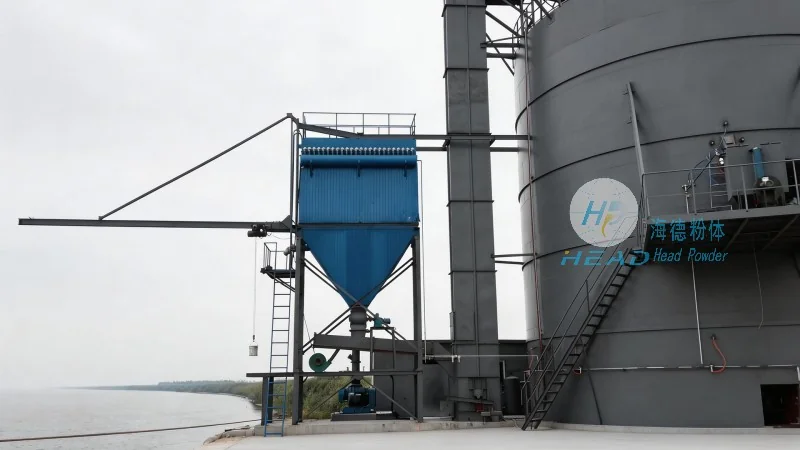
A typical river sand powder conveying system comprises several critical components, each playing a vital role in the overall operation. The primary components include:
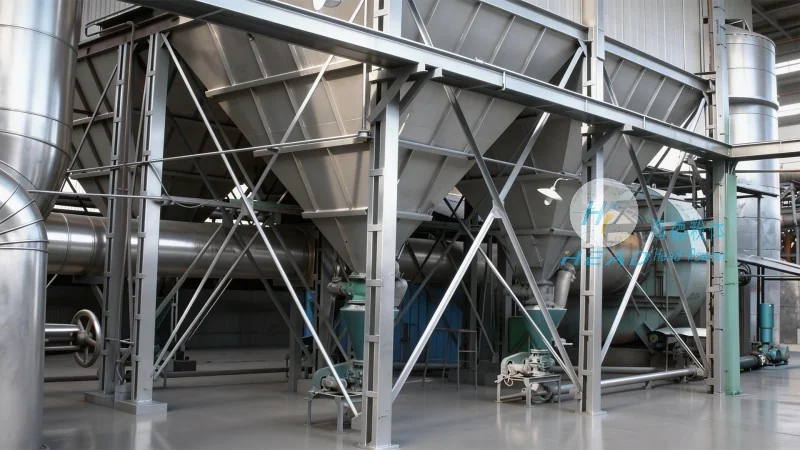
- Hopper and Feeder: These devices control the flow of river sand from the storage area into the conveying system, ensuring a steady and uniform feed.
- Conveying Pipe or Duct: This is the main channel through which the sand travels. The material is either suspended in air (in pneumatic systems) or moved mechanically (in screw or belt systems).
- Air Compressor (for Pneumatic Systems): Provides the necessary air pressure to propel the sand through the pipe. The efficiency of the compressor directly impacts the system's energy usage.
- Cyclone Separator: A key component for pneumatic systems, it separates the sand from the air stream, allowing the sand to be collected at the destination while the air is recirculated.
- Dust Collection System: Collects any residual dust and ensures compliance with environmental standards, protecting both the environment and the equipment.
Practical Applications and Industry Relevance
River sand powder conveying systems are widely used in various industries due to their versatility and efficiency. In the construction sector, they are integral to concrete production, where river sand is a primary aggregate. The ability to transport sand from quarries or storage yards to mixing plants ensures a consistent supply of material, reducing downtime and improving production efficiency. In the glass manufacturing industry, fine river sand is used as a raw material for glass production, and conveying systems help maintain the purity and quality of the sand by preventing contamination. Additionally, in foundry operations, river sand is used for mold and core production, and efficient conveying ensures that the material is available when needed, supporting continuous production processes.
About Shandong HeadPowder Engineering Co., Ltd.
Shandong HeadPowder Engineering Co., Ltd., commonly known as HeadPowder, is a leading provider of specialized powder handling and conveying solutions. With a focus on innovation and customer-centric design, HeadPowder develops and manufactures systems tailored to the unique needs of industries dealing with fine materials like river sand. The company's expertise lies in understanding the challenges of powder transportation and designing systems that address these challenges effectively. HeadPowder's facilities are located in Shandong, China, where the company leverages local resources and expertise to deliver high-quality solutions to clients worldwide. By combining advanced engineering with practical application, HeadPowder ensures that its clients receive reliable, efficient, and cost-effective powder conveying systems that meet their specific requirements.




