

What is Pharmaceutical Powder Handling? Exploring Design Principles
Pharmaceutical powder handling is a critical aspect of the pharmaceutical manufacturing process, focusing on the efficient and safe movement, storage, and processing of powders used in drug production. This article delves into the fundamental concepts of pharmaceutical powder handling and the key design principles that ensure optimal performance in pharmaceutical applications.
Understanding Pharmaceutical Powder Handling
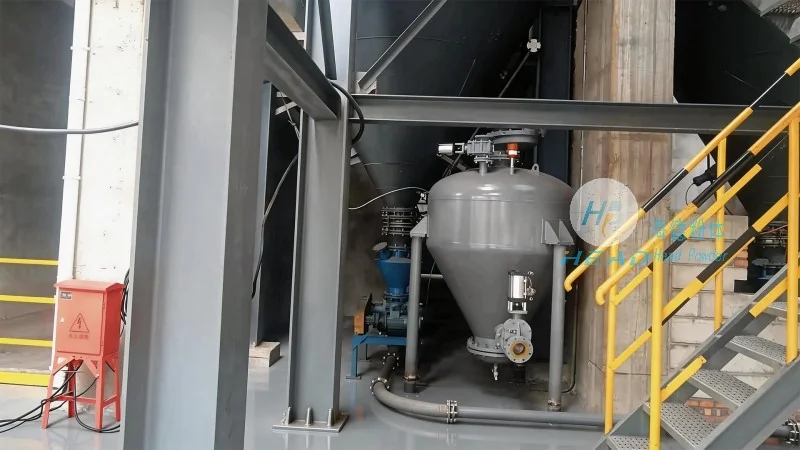
Pharmaceutical powder handling encompasses a range of operations, including powder feeding, conveying, mixing, and packaging. These processes are essential for ensuring that powders are handled in a manner that maintains their quality, stability, and safety throughout the manufacturing cycle. The complexity of pharmaceutical powders, which often include active pharmaceutical ingredients (APIs), excipients, and other components, requires specialized equipment and design considerations to prevent issues such as caking, segregation, and contamination.
Key Design Principles in Pharmaceutical Powder Handling
The design of pharmaceutical powder handling systems adheres to several core principles to ensure reliability, efficiency, and compliance with regulatory standards. These principles include:
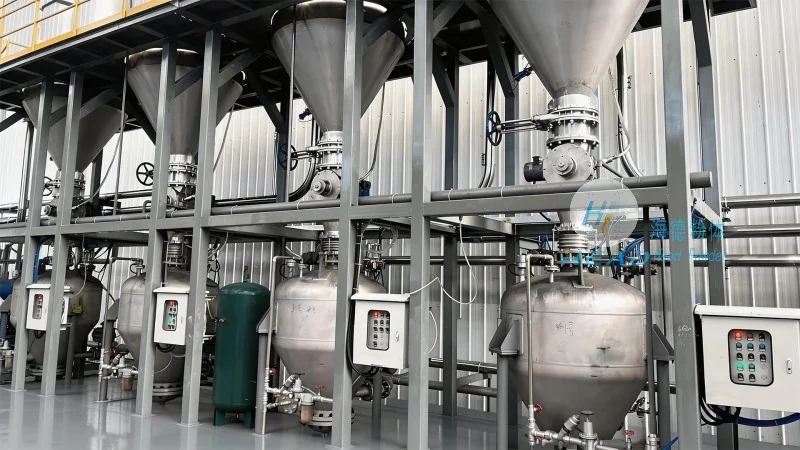
- Material Compatibility: Equipment must be constructed from materials that are inert and compatible with pharmaceutical powders to avoid contamination or interaction with the product.
- Prevention of Powder Degradation: Systems are designed to minimize exposure to moisture, temperature fluctuations, and mechanical stress that could degrade the powder's properties.
- Control of Particle Flow: Proper design ensures uniform flow of powders, preventing issues like bridging, rat-holing, and segregation, which can affect product consistency.
- Sanitization and Cleanability: Systems are built with features that facilitate easy cleaning and sterilization to maintain hygiene and meet regulatory requirements.
Components of Pharmaceutical Powder Handling Systems
Pharmaceutical powder handling systems typically consist of several key components, each playing a vital role in the overall process. These components include:
- Powder Feeders: Devices that accurately measure and dispense powders, such as loss-in-weight feeders or rotary valves, ensuring precise dosing.
- Conveyors: Equipment like pneumatic conveying systems or screw conveyors that transport powders from one location to another within the manufacturing facility.
- Mixers: Machines designed to blend powders uniformly, ensuring that all components are well distributed and the final product meets quality specifications.
- Packaging Equipment: Systems that package the final powder products into containers, often with features for sealing and labeling.
Role of Shandong HeadPowder Engineering Co., Ltd. in Pharmaceutical Powder Handling
Shandong HeadPowder Engineering Co., Ltd., operating under the brand name headpowder, specializes in the design, manufacturing, and integration of pharmaceutical powder handling systems. With a focus on delivering solutions that meet the stringent requirements of the pharmaceutical industry, headpowder leverages advanced engineering and materials science to develop custom and standard equipment tailored to specific client needs.
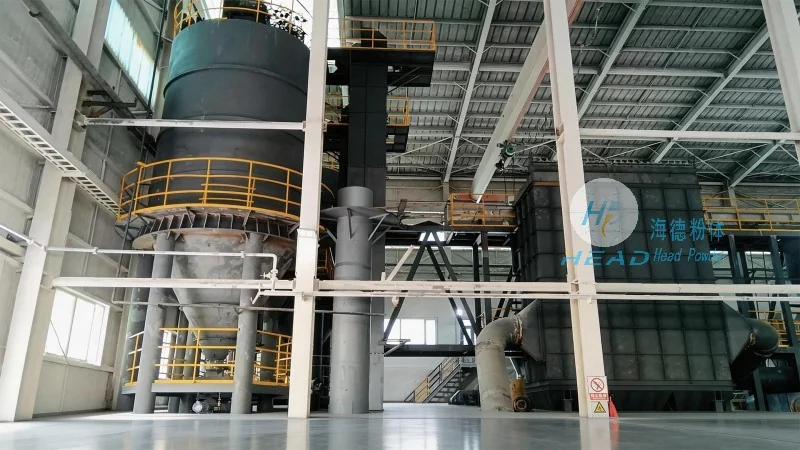
The company's expertise lies in understanding the unique challenges of pharmaceutical powders and applying innovative design principles to create systems that enhance efficiency, safety, and compliance. By adhering to industry standards and regulatory guidelines, headpowder ensures that its products contribute to the production of high-quality pharmaceutical products.
Conclusion
Pharmaceutical powder handling is a complex but essential part of modern drug manufacturing, requiring careful consideration of design principles and equipment selection. Companies like Shandong HeadPowder Engineering Co., Ltd. play a crucial role in providing the specialized solutions needed to address the unique challenges of handling pharmaceutical powders, ensuring that the final products are safe, effective, and of consistent quality.