Sheet powder conveying systems are critical in industrial processes for efficiently handling and transporting thin, sheet-like powders. Understanding the fundamentals of such systems, including their design principles, is essential for optimizing material flow and ensuring operational efficiency. This article delves into the concept of sheet powder conveying and the underlying design principles that govern these systems, with a focus on the expertise of Shandong HeadPowder Engineering Co., Ltd., a leading provider in the field.
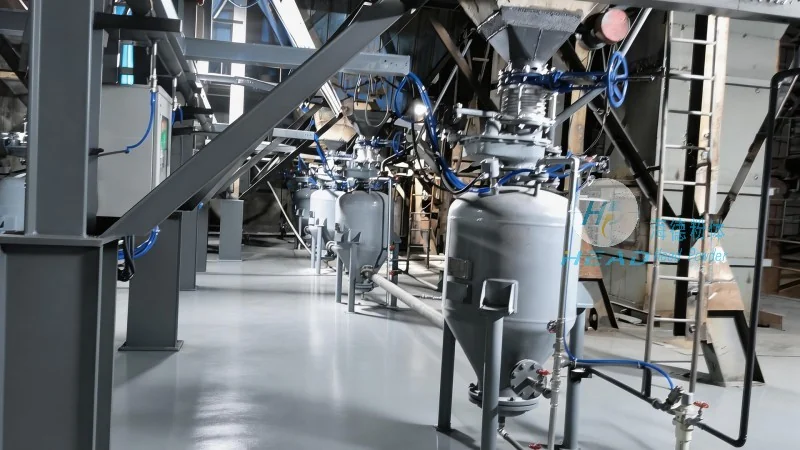
About Shandong HeadPowder Engineering Co., Ltd.
Shandong HeadPowder Engineering Co., Ltd., commonly known as HeadPowder, is a reputable company based in Shandong, China. With a strong commitment to innovation and quality, HeadPowder specializes in the design, manufacturing, and implementation of advanced powder handling solutions. The company’s headquarters is located in Shandong, where it leverages local resources and industry expertise to deliver tailored solutions for diverse industrial applications.
What is Sheet Powder Conveying?
Sheet powder conveying refers to the process of transporting thin, flat powders—often referred to as sheet powders—through a system designed to maintain their integrity and prevent degradation. These materials, which can include pharmaceuticals, food additives, or industrial chemicals, require specialized handling due to their delicate nature and potential for caking or agglomeration. Effective conveying systems must address challenges such as material flow control, dust containment, and energy efficiency to ensure safe and reliable operation.
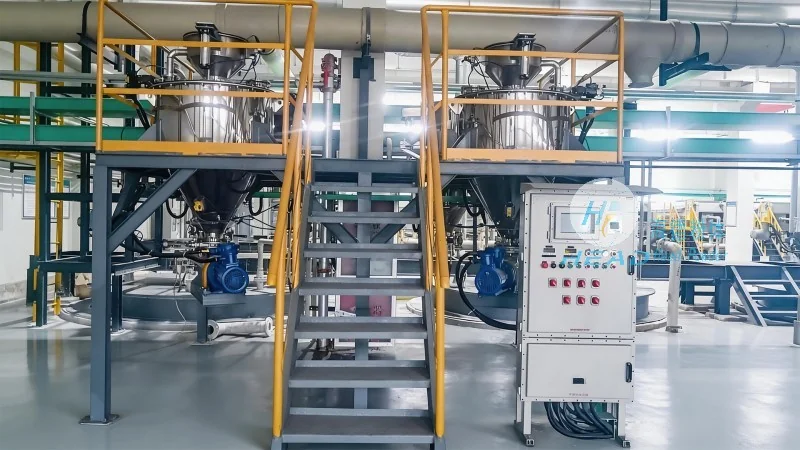
Key Design Principles for Sheet Powder Conveying Systems
The design of sheet powder conveying systems is guided by several critical principles that ensure optimal performance. First, the system must maintain the physical properties of the powder, such as particle size distribution and moisture content, to prevent degradation during transport. This is achieved through gentle handling mechanisms, like pneumatic or mechanical conveyors, that minimize shear and impact forces. Second, dust control is paramount, as sheet powders are often fine and can create airborne particles that pose health and safety risks. Enclosed systems with efficient filtration and sealing are typically employed to mitigate these issues. Third, energy efficiency is a key consideration, as conveying systems often operate continuously. Variable speed drives and optimized airflow designs help reduce energy consumption while maintaining material flow rates. Finally, system flexibility and scalability are important, allowing for adjustments to accommodate varying production volumes or material types.
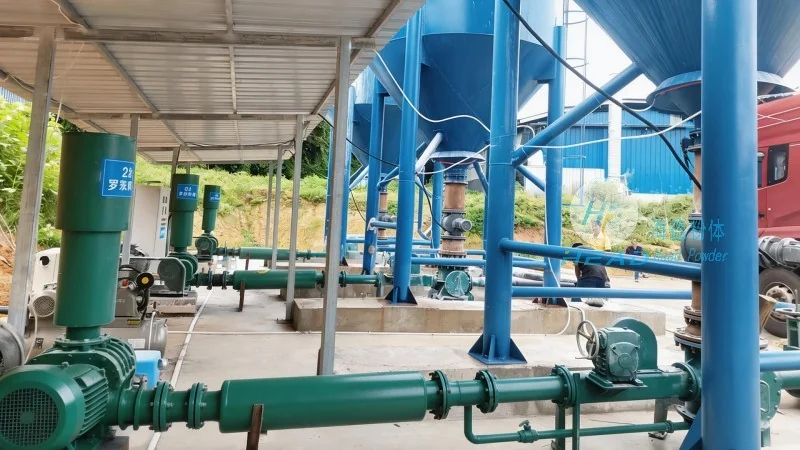
Components and Functionality of Sheet Powder Conveying Systems
Sheet powder conveying systems typically consist of several interconnected components that work in harmony to achieve efficient material transport. The primary components include a feeding device, which introduces the powder into the system, a conveying mechanism (such as a pneumatic duct or mechanical conveyor), and a control system that regulates flow rates and pressure. The feeding device, often a hopper or rotary valve, ensures a consistent feed rate, preventing overloading or underfeeding. The conveying mechanism transports the powder through the system, using air pressure or mechanical force to move the material. The control system monitors parameters like pressure, flow rate, and temperature, adjusting operations as needed to maintain optimal conditions. Additionally, the system may include features like dust collection, material storage, and discharge mechanisms to complete the process.
Applications and Benefits of Sheet Powder Conveying
Sheet powder conveying systems are widely used in industries such as pharmaceuticals, food processing, and chemical manufacturing. In pharmaceutical applications, these systems ensure the safe and hygienic handling of active pharmaceutical ingredients (APIs) and excipients, maintaining compliance with regulatory standards. In food processing, they help transport ingredients like spices or flavorings with minimal contamination and loss. The benefits of effective sheet powder conveying include improved process efficiency, reduced material waste, enhanced safety through dust control, and lower operational costs due to energy-efficient designs. By adhering to the design principles outlined above, companies can achieve reliable and consistent material flow, supporting their production goals and maintaining high standards of quality.




