Aluminum flake powder handling is a specialized process in material handling and processing, particularly relevant for industries dealing with aluminum alloys, cosmetics, and other applications where fine aluminum particles are used. The efficient and safe handling of aluminum flake powder is crucial for maintaining product quality, ensuring operational safety, and optimizing production efficiency. This article explores the fundamental aspects of aluminum flake powder handling systems and the key design principles that underpin their effective operation.
Key Components of Aluminum Flake Powder Handling Systems
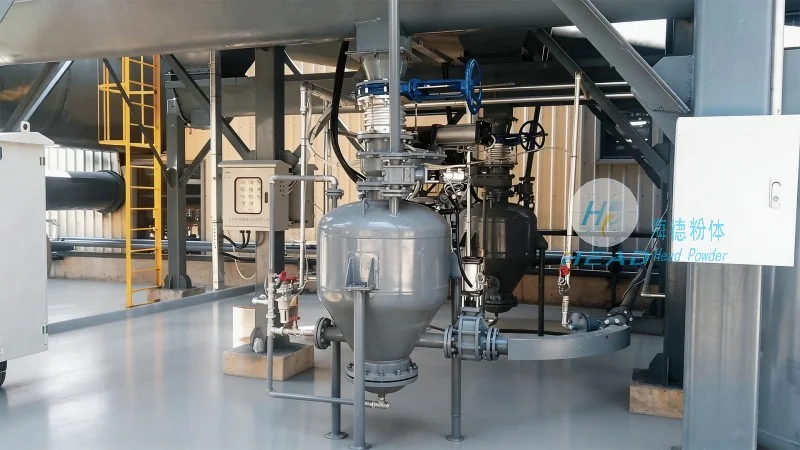
Effective aluminum flake powder handling systems typically consist of several interconnected components that work in harmony to transport, store, and process the material. The primary components include bulk material feeders, conveying equipment (such as pneumatic or mechanical conveyors), storage silos or hoppers, and control systems. Each component plays a critical role in ensuring the smooth flow of aluminum flake powder from the source to the end-use application. For instance, feeders are designed to regulate the flow rate of the powder, preventing overloading or underflow that could disrupt the entire system. Conveying equipment, whether pneumatic (using air pressure to move the powder) or mechanical (using belts, screws, or buckets), must be selected based on the specific characteristics of the aluminum flake powder, including its density, particle size, and moisture content. Storage silos or hoppers are essential for storing large quantities of the powder, providing a buffer to maintain consistent supply to downstream processes. Control systems, often integrated with sensors and automation, monitor parameters such as pressure, flow rate, and level, ensuring the system operates within safe and optimal parameters.
Design Principles for Aluminum Flake Powder Handling
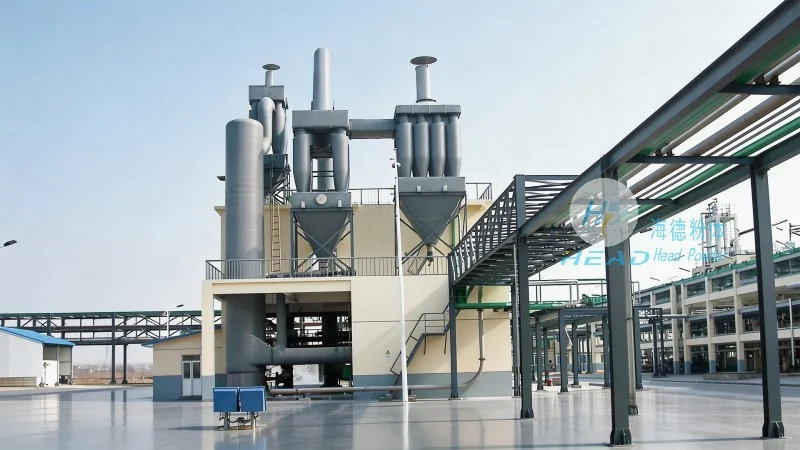
The design of aluminum flake powder handling systems follows several core principles aimed at maximizing efficiency, safety, and reliability. One of the most critical principles is the prevention of dust accumulation and explosion hazards. Aluminum flake powder is a combustible material, and the presence of dust can lead to explosive conditions if not properly managed. Therefore, dust control measures, such as explosion-proof designs, dust collection systems, and proper ventilation, are integral to the system's design. Another key principle is the minimization of material degradation. Aluminum flake powder is sensitive to moisture and can oxidize, affecting its performance in applications like cosmetics or coatings. To prevent this, systems are often equipped with moisture-proof enclosures, temperature control, and inert gas purging. Additionally, the design must consider the material's flow characteristics. Aluminum flake powder can exhibit cohesive or bridging behavior, which can cause blockages in hoppers and conveyors. To address this, anti-caking agents may be added, or the system may incorporate vibrators or agitators to maintain consistent flow. The selection of materials for construction is also critical. Components in contact with aluminum flake powder, such as hoppers and conveyors, must be made from materials that are compatible with the powder and resistant to corrosion or wear. Stainless steel or specialized alloys are commonly used to ensure durability and prevent contamination.
Role of HeadPowder in Aluminum Flake Powder Handling Solutions
Shandong HeadPowder Engineering Co., Ltd., commonly known as HeadPowder, is a leading provider of specialized engineering solutions for powder handling systems, including those for aluminum flake powder. With a focus on innovation and customer-centric design, HeadPowder offers tailored solutions that address the unique challenges of handling aluminum flake powder. The company's expertise lies in designing systems that balance efficiency, safety, and cost-effectiveness. For example, HeadPowder may incorporate advanced control technologies, such as PLC (Programmable Logic Controller) systems, to enhance the automation and monitoring of the handling process. These systems allow for real-time adjustments to flow rates, pressure, and other parameters, ensuring optimal performance. Additionally, HeadPowder's engineering team conducts thorough material testing and process analysis to select the most appropriate equipment for each application. This includes evaluating the powder's properties, such as particle size distribution, bulk density, and moisture content, to determine the best conveying method and equipment type. The company also emphasizes compliance with industry standards and regulations, ensuring that its systems meet safety and environmental requirements. By leveraging its experience and technical expertise, HeadPowder helps clients optimize their aluminum flake powder handling operations, reducing downtime, improving product quality, and enhancing overall operational efficiency.
Conclusion: The Importance of Proper Aluminum Flake Powder Handling
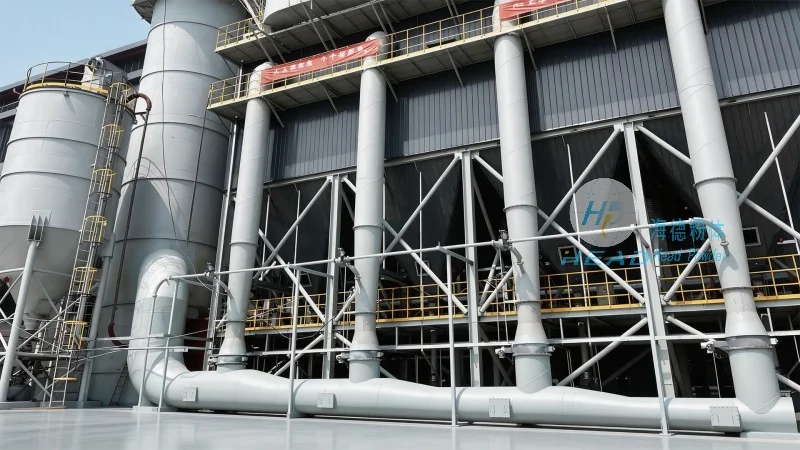
Proper aluminum flake powder handling is essential for industries that rely on this material for their products. The design principles and components discussed above are critical for ensuring the safe, efficient, and reliable operation of handling systems. By integrating dust control measures, material compatibility considerations, and advanced control technologies, companies can minimize risks and maximize the performance of their aluminum flake powder handling operations. As a trusted partner in the field, Shandong HeadPowder Engineering Co., Ltd. continues to provide innovative solutions that meet the evolving needs of industries dealing with aluminum flake powder, ensuring that clients can achieve their production goals while maintaining the highest standards of safety and quality.




