What is Quicklime Powder Conveying? What Are the Design Principles?
Release time:2026-09-14 13:28:33
name of the company:Shandong Headpowder Engineering Co., Ltd.
telephone:156-6277-7102
contacts:Zhang manager
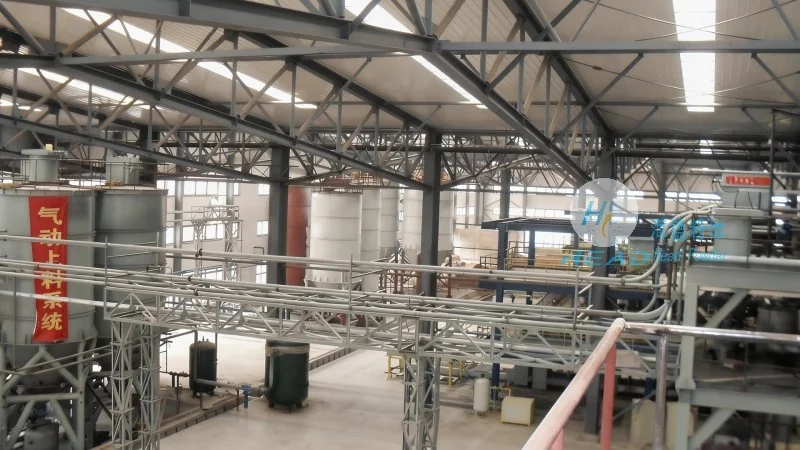
Quicklime powder conveying is a specialized process in material handling that involves the transportation of quicklime (calcium oxide) from its source to processing or storage locations. This technology is crucial in industries such as cement production, steel manufacturing, and chemical processing, where quicklime is a key raw material. The efficiency and safety of the conveying system directly impact production costs and operational reliability.
Understanding Quicklime Powder Conveying Systems
Quicklime powder conveying systems are engineered to handle the unique properties of quicklime, which is a fine, reactive powder. The primary goal is to transport this material without causing dust explosions, material degradation, or operational inefficiencies. The design of these systems must address several critical factors, including material flow control, dust suppression, and equipment durability.
Key Design Principles for Quicklime Powder Conveying
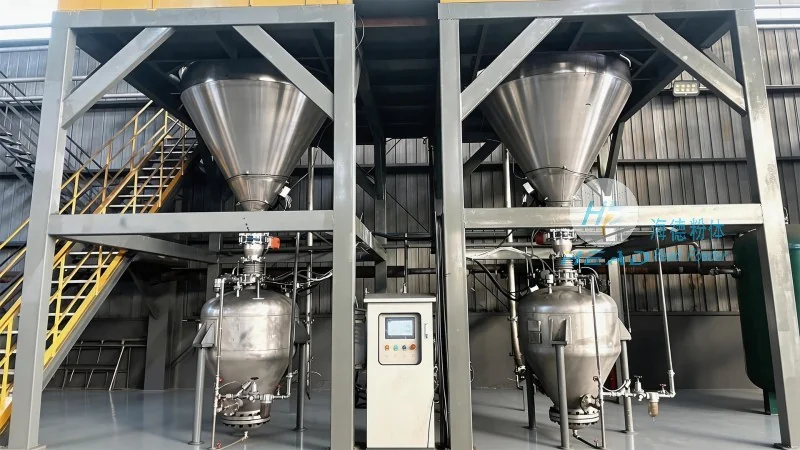
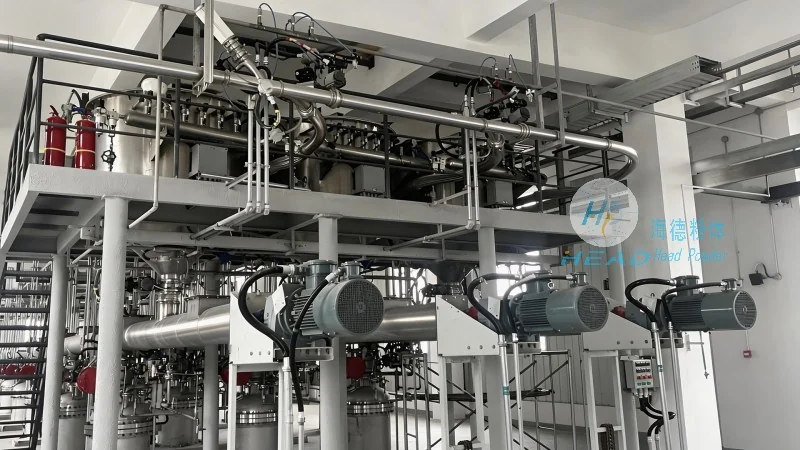
The design of a quicklime powder conveying system typically involves a combination of components that work together to ensure smooth and safe operation. Key elements include: feed hoppers, which are designed to handle the bulk material and control the flow rate; conveyor lines, which may use pneumatic or mechanical methods depending on the application; and dust collection systems, which are essential to maintain air quality and comply with environmental regulations. The selection of materials for the conveyor components is critical, as quicklime is highly corrosive and can cause wear on metal surfaces. Therefore, components are often made from stainless steel or other corrosion-resistant materials to extend the system's lifespan.
System Components and Their Functions
Feed hoppers are the first component in a quicklime powder conveying system. They are designed to store the bulk quicklime and provide a controlled feed to the conveyor. The hopper's design, including its slope and material, is crucial to prevent material bridging or caking, which can disrupt the flow. Conveyor lines, which can be pneumatic (using air to move the powder) or mechanical (using belts or screws), are chosen based on the specific requirements of the application. Pneumatic systems are often used for long-distance or high-volume conveying, while mechanical systems are suitable for shorter distances or where the material needs to be handled gently. Dust collection systems are integrated into the design to capture any airborne particles, ensuring that the environment remains safe for personnel and that the material is not lost during transport.
HeadPowder's Expertise in Quicklime Powder Conveying
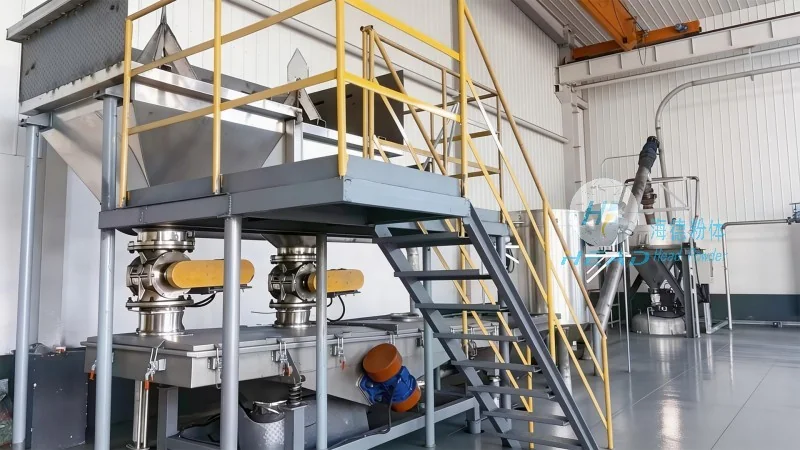
Shandong HeadPowder Engineering Co., Ltd. specializes in the design and manufacturing of quicklime powder conveying systems. With a focus on innovation and customer needs, HeadPowder has developed advanced solutions that address the unique challenges of handling quicklime. The company's team of engineers and technicians has extensive experience in material handling and process engineering, ensuring that each system is tailored to meet the specific requirements of the client. HeadPowder's products are known for their durability, efficiency, and compliance with industry standards. The company's commitment to quality and customer satisfaction has made it a trusted partner in the industry.




