Understanding the process of glass waste powder handling is crucial for industries dealing with post-consumer glass materials. Glass waste, often referred to as glass cullet, is a valuable resource that can be recycled and repurposed. However, the efficient transportation and processing of this material require specialized equipment and design considerations. This article delves into the core aspects of glass waste powder handling, focusing on the principles that underpin effective systems.
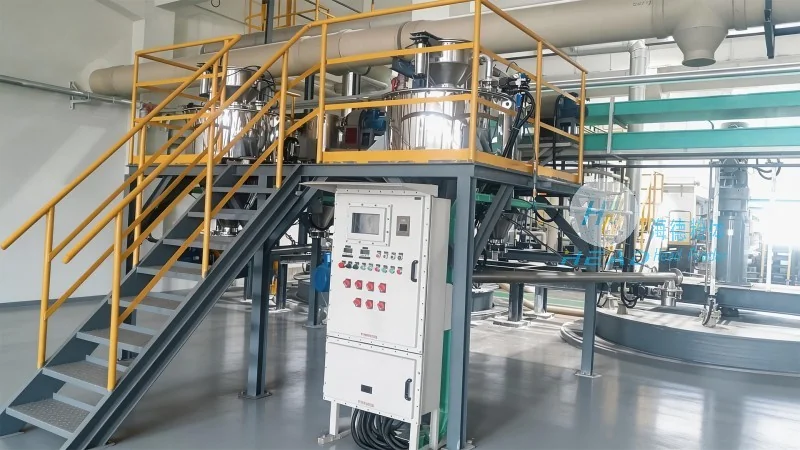
HeadPowder, a leading engineering company based in Shandong, China, specializes in the design and implementation of powder handling solutions. With a deep understanding of material properties and operational requirements, HeadPowder provides tailored systems for glass waste processing. The company’s expertise lies in optimizing the flow of glass cullet through various stages, from collection to final processing, ensuring minimal loss and maximum efficiency.
Key Design Principles for Glass Waste Powder Handling
The design of glass waste powder handling systems is governed by several critical principles that ensure safety, efficiency, and durability. One of the primary considerations is the material's physical characteristics, such as its density, abrasiveness, and tendency to form agglomerates. Glass cullet is typically a hard, brittle material that can cause wear on equipment components, making the selection of appropriate materials for hoppers, chutes, and conveyors essential.
Another critical factor is the need to prevent dust generation and ensure proper ventilation. Glass waste can produce fine particles that are hazardous to both equipment and personnel. Therefore, dust control measures, including sealing systems and filtration, are integral to the design. Additionally, the system must accommodate variations in material flow rates, which can fluctuate based on the volume of incoming waste and processing demands.
Equipment Components and Their Functions
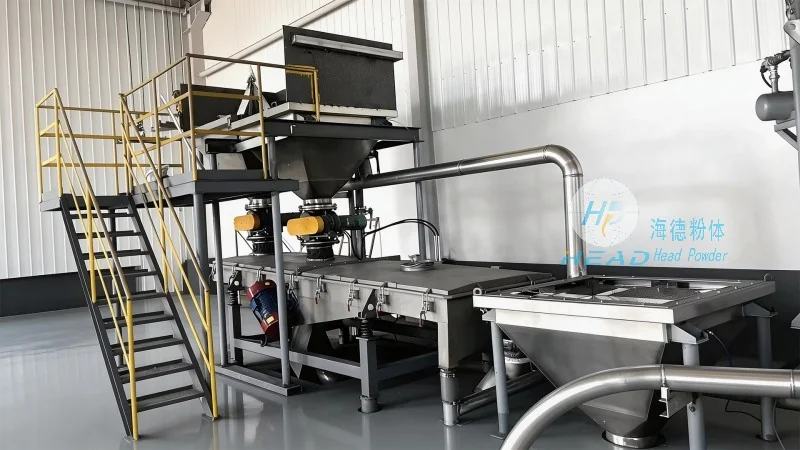
Effective glass waste powder handling relies on a combination of specialized equipment components, each serving a specific function in the overall process. The primary components include feed hoppers, which collect and store the incoming glass waste, and feeding mechanisms such as vibratory feeders or screw conveyors that regulate the flow of material into the system.
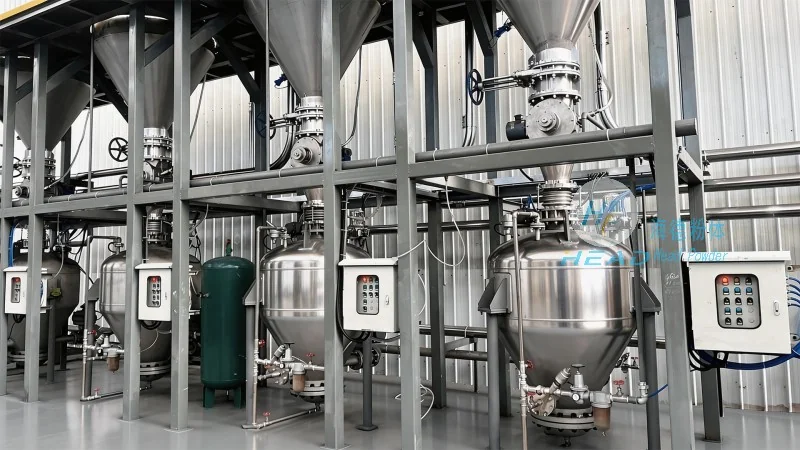
Conveying systems, such as pneumatic or mechanical conveyors, are used to transport the glass waste from the feed hoppers to processing units. Pneumatic conveyors, which use air pressure to move material, are particularly effective for handling fine powders and preventing blockages. Mechanical conveyors, including belt and screw conveyors, are suitable for bulk materials and can handle larger volumes with less energy consumption.
Processing equipment, such as crushers or classifiers, may be integrated into the system to prepare the glass waste for further use. These components are designed to handle the abrasive nature of glass and ensure consistent particle size distribution. The design of each component must account for the specific properties of glass cullet, including its hardness and potential for creating friction and heat during processing.
System Integration and Control
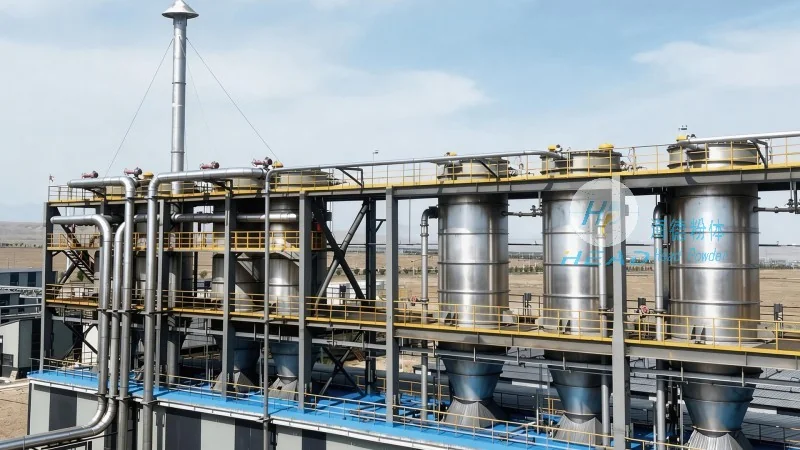
Modern glass waste powder handling systems are highly integrated, with advanced control systems that monitor and regulate the entire process. These systems use sensors to detect material levels, flow rates, and potential blockages, providing real-time data to operators. The control panel allows for adjustments to be made quickly, ensuring that the system operates within optimal parameters.
Automation plays a significant role in enhancing efficiency and reducing human error. Automated feeding and conveying systems can adjust their speed and output based on real-time demand, minimizing waste and maximizing throughput. Additionally, the integration of safety features, such as emergency stop buttons and interlocks, ensures that the system operates safely under all conditions.
Benefits of Proper Glass Waste Powder Handling
Implementing an effective glass waste powder handling system offers numerous benefits for businesses involved in glass recycling. By optimizing the flow of glass cullet, companies can reduce processing time and increase overall productivity. The use of specialized equipment minimizes equipment wear and tear, leading to lower maintenance costs and longer equipment life.
Furthermore, proper handling reduces the risk of dust-related health issues and environmental contamination. By controlling dust generation and ensuring proper ventilation, companies can maintain a safe working environment for their employees. The efficient processing of glass waste also contributes to sustainability efforts, as it reduces the need for new raw materials and minimizes the environmental impact of glass disposal.
Conclusion
Glass waste powder handling is a complex process that requires careful consideration of material properties, equipment design, and operational efficiency. With the expertise of companies like Shandong HeadPowder Engineering Co., Ltd., businesses can implement effective systems that maximize the value of glass cullet while ensuring safety and sustainability. By adhering to the key design principles outlined in this article, industries can achieve optimal performance and contribute to a circular economy for glass materials.




