Negative pressure pneumatic conveying is a technology widely used in material handling and transportation, particularly for transporting powders and granular materials over long distances or in complex layouts. This method operates by creating a negative pressure (or vacuum) in the conveying line, which draws the material from the source and transports it to the destination. The process involves several key components and steps that work together to ensure efficient and reliable material transport.
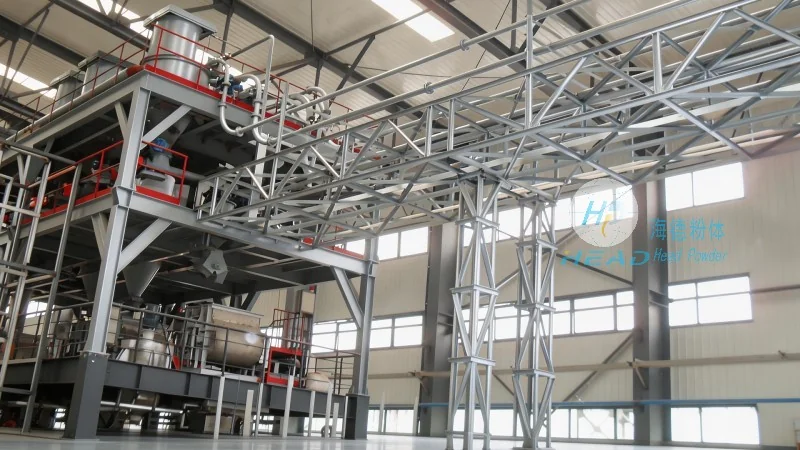
Key Components of Negative Pressure Pneumatic Conveying Systems
A typical negative pressure pneumatic conveying system consists of several essential components. These include a suction fan or vacuum pump, which generates the negative pressure; a conveying line (often made of metal or plastic pipes) that transports the material; a material inlet or hopper where the material is loaded; a separation or collection system at the discharge end to remove the material from the air stream; and sometimes a filter or dust collector to clean the air before it is released back into the environment. Each component plays a critical role in the overall operation of the system, ensuring that the material is conveyed efficiently and without loss or contamination.
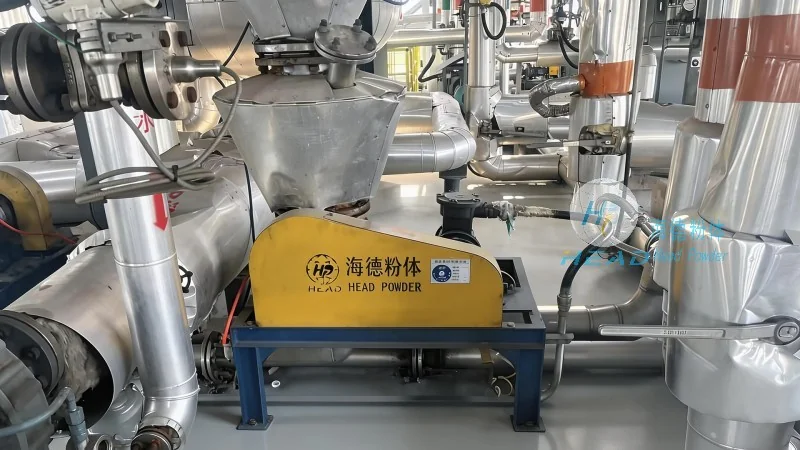
The Working Principle of Negative Pressure Pneumatic Conveying
The core principle of negative pressure pneumatic conveying is the creation of a pressure differential between the source and the destination. The suction fan draws air from the conveying line, creating a lower pressure inside the line compared to the atmospheric pressure outside. This pressure difference causes the material to be entrained by the air stream as it moves through the pipe. The material is then carried along with the air until it reaches the discharge point, where the air and material are separated. The separated material is collected in a hopper or container, and the air is typically filtered to remove any residual dust or particles before being vented.
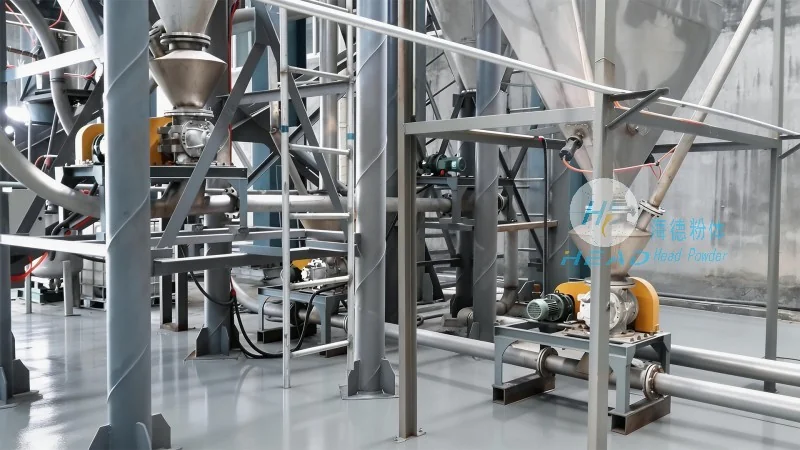
Operation Process of Negative Pressure Pneumatic Conveying
The operation process of a negative pressure pneumatic conveying system can be broken down into several sequential steps. First, the material is loaded into the material inlet or hopper. The suction fan is then activated, creating the negative pressure in the conveying line. As the fan runs, it draws air and material from the inlet, and the material is carried through the pipe to the discharge point. At the discharge end, a separator or cyclone separates the material from the air stream. The material falls into the collection container, and the air, now relatively clean, is passed through a filter or dust collector before being released. The system continues to operate as long as material is being loaded and the fan remains active. Proper maintenance and monitoring of the system components are essential to ensure consistent performance and to prevent issues such as blockages or air leaks.
Advantages of Negative Pressure Pneumatic Conveying
Negative pressure pneumatic conveying offers several advantages over other material handling methods. One of the primary benefits is the ability to transport materials over long distances without the need for multiple transfer points or elevators. This reduces the overall system complexity and cost. Additionally, the system can handle a wide range of materials, including fine powders and granular products, without causing excessive wear or degradation. The enclosed conveying line also helps to prevent dust emissions and contamination, making it suitable for applications where environmental control is important. Furthermore, the system can be easily integrated with other processing equipment, such as mixers or classifiers, to form a complete material handling system.
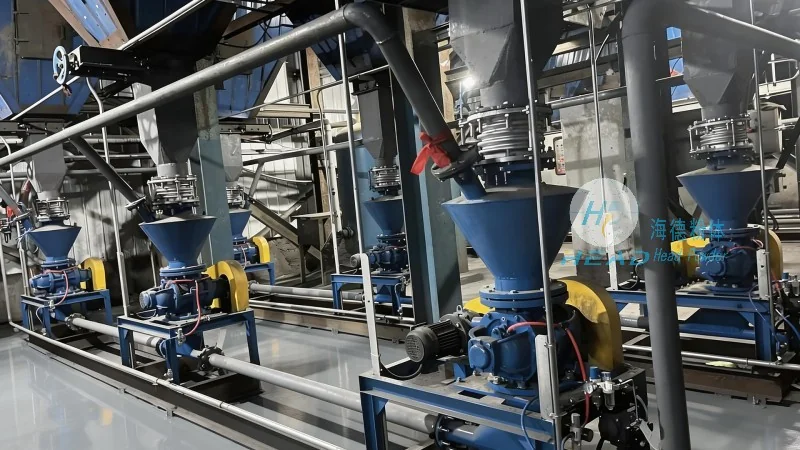
Applications and Industries
Negative pressure pneumatic conveying is used in a variety of industries and applications. In the food and pharmaceutical industries, it is used to transport powders and granules that require strict contamination control. In the chemical industry, it is used to handle a wide range of powders, including those that are hazardous or reactive. In the mining and mineral processing industry, it is used to transport raw materials and finished products. In the agricultural sector, it is used to handle grain and other agricultural products. The versatility of the system makes it suitable for a wide range of applications where efficient and reliable material transport is required.




