When it comes to the handling and transportation of furfural ash, selecting the right conveying method is crucial for ensuring efficiency, safety, and cost-effectiveness in industrial operations. Furfural ash, a byproduct from the furfural production process, poses unique challenges due to its characteristics such as moisture content, particle size, and potential corrosiveness. The choice of conveying system directly impacts the overall performance of the process, affecting factors like material loss, energy consumption, and operational downtime. This article provides a detailed comparison of common furfural ash conveying methods, examining their advantages and disadvantages to help industrial facilities make informed decisions.
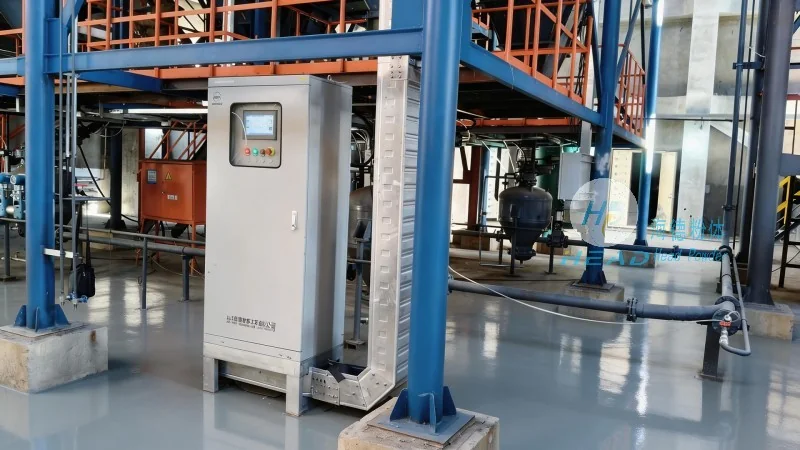
Overview of Furfural Ash and Conveying Challenges
Furfural ash is a solid waste generated during the production of furfural, a chemical widely used in the pharmaceutical, food, and chemical industries. It typically consists of carbonaceous residues, ash, and other impurities, with properties that vary depending on the raw materials and processing conditions. The handling of furfural ash requires specialized equipment due to its potential to cause blockages, corrosion, or environmental hazards if not managed properly. Conveying systems must be designed to handle these challenges while ensuring minimal material degradation and efficient transfer from the source to the disposal or processing point.
Common Conveying Methods for Furfural Ash
Several methods are commonly employed for the transportation of furfural ash, each with distinct characteristics and applications. The primary options include belt conveyors, pneumatic (air) conveyors, screw conveyors, and bucket elevators. Each method has its own set of advantages and limitations, which are discussed below.
Belt Conveyors: A Traditional and Reliable Option
Belt conveyors are one of the most widely used systems for bulk material handling, including furfural ash. They consist of a continuous loop of material that moves along a series of rollers or idlers, driven by a motor. The key advantages of belt conveyors include high capacity, low maintenance, and the ability to transport materials over long distances. They are particularly suitable for handling large volumes of dry or semi-dry ash, as the belt can effectively move particles without causing excessive wear or degradation. Belt conveyors are also relatively simple to install and operate, making them a cost-effective solution for many industrial applications.
However, belt conveyors have some drawbacks when used with furfural ash. The material may stick to the belt or cause it to slip, especially if the ash is sticky or has high moisture content. This can lead to increased wear on the belt and idlers, requiring more frequent maintenance. Additionally, belt conveyors are not suitable for vertical or steep incline applications, as the material may fall off or cause the belt to slip. The system also requires a level or gently sloping path, which may not be feasible in all plant layouts.
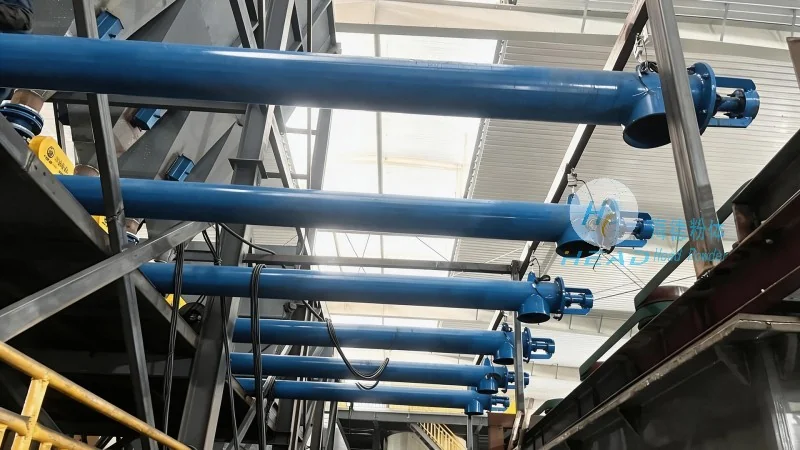
Pneumatic (Air) Conveyors: Efficient for Fine Particles
Pneumatic conveyors use air pressure to transport materials through a pipeline system. They are particularly effective for handling fine or powdery furfural ash, as the air can lift and move particles without the need for mechanical components that might cause blockages. The primary advantage of pneumatic conveyors is their ability to transport materials vertically and horizontally over long distances with minimal material degradation. They are also relatively compact and can be integrated into existing plant layouts without major modifications.
Despite these benefits, pneumatic conveyors have significant limitations for furfural ash. The system requires a constant supply of compressed air, which increases energy consumption and operating costs. The air velocity must be carefully controlled to prevent material degradation or blockages, and high air pressure can lead to increased wear on the pipeline and components. Additionally, the system is not suitable for handling large volumes of coarse or wet ash, as the particles may not be effectively lifted by the air flow. The maintenance of air filters and compressors is also more complex compared to other conveying methods.
Screw Conveyors: Versatile and Low-Profile
Screw conveyors, also known as auger conveyors, use a rotating screw to move materials along a trough. They are a versatile option for furfural ash, as they can handle a wide range of particle sizes and moisture contents. The screw design can be adjusted to suit the specific characteristics of the ash, making them suitable for both horizontal and vertical applications. The primary advantage of screw conveyors is their low profile, which allows them to be installed in confined spaces without requiring extensive structural modifications. They are also relatively simple to operate and maintain, with minimal moving parts.
However, screw conveyors have some disadvantages when used with furfural ash. The rotating screw can cause material degradation, especially for fine or brittle particles, leading to increased dust generation and potential blockages. The system is also not suitable for handling very wet or sticky ash, as the material may stick to the screw or trough, causing operational issues. Additionally, the capacity of screw conveyors is lower compared to belt or pneumatic systems, making them less suitable for high-volume applications.
Bucket Elevators: Ideal for Vertical Transport
Bucket elevators use a series of buckets attached to a chain or belt to lift materials vertically. They are particularly effective for transporting furfural ash over vertical or steep incline distances, as the buckets can carry the material without the need for air or mechanical belts. The primary advantage of bucket elevators is their ability to handle vertical transport efficiently, with minimal material loss and degradation. They are also suitable for handling a wide range of particle sizes and moisture contents, making them a versatile option for furfural ash.
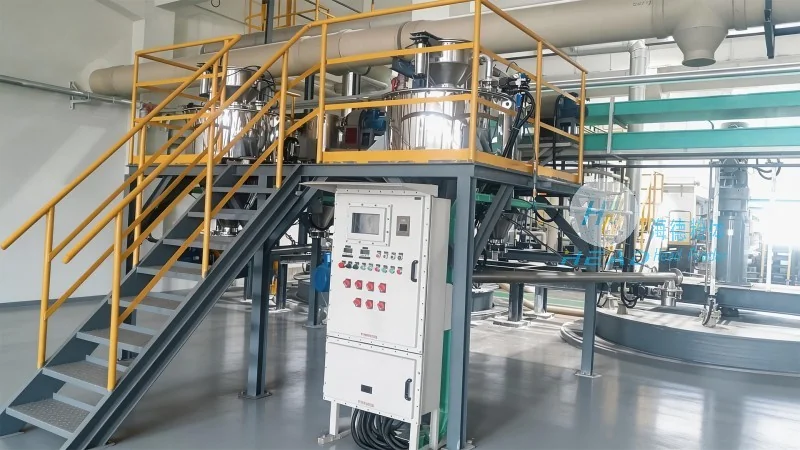
However, bucket elevators have some limitations. The system requires a large footprint for the vertical structure, which may not be feasible in all plant layouts. The buckets and chain are subject to wear and tear, requiring more frequent maintenance compared to other systems. Additionally, the capacity of bucket elevators is lower compared to belt conveyors, making them less suitable for high-volume applications. The system is also more complex to install and operate, with more moving parts that can cause operational issues.
Choosing the Right Conveying Method for Furfural Ash
When selecting a conveying method for furfural ash, several factors must be considered, including the material characteristics, required capacity, distance, and plant layout. The choice of system should balance efficiency, cost, and maintenance requirements to ensure optimal performance. For example, belt conveyors are ideal for large volumes of dry ash over long horizontal distances, while pneumatic conveyors are better suited for fine particles over short to medium distances. Screw conveyors are suitable for moderate volumes and confined spaces, and bucket elevators are ideal for vertical transport.
It is also important to consider the specific properties of furfural ash, such as moisture content, particle size, and corrosiveness, when choosing a conveying method. For example, if the ash is sticky or has high moisture content, a belt conveyor with a special coating or a pneumatic system with high air pressure may be required. If the ash is coarse or has a high risk of blockages, a screw conveyor with a larger pitch or a bucket elevator with larger buckets may be more appropriate.
Conclusion
In conclusion, the selection of a furfural ash conveying method is a critical decision that impacts the overall efficiency and cost of industrial operations. Each method has its own advantages and disadvantages, and the choice should be based on a thorough analysis of the material characteristics, operational requirements, and plant layout. By understanding the strengths and limitations of each system, industrial facilities can choose the most suitable conveying method to ensure safe, efficient, and cost-effective handling of furfural ash.




