Efficient and reliable bean powder conveying is crucial in the processing industry, especially for companies dealing with bulk materials like bean powder. The choice of conveying method significantly impacts operational efficiency, product quality, and overall cost. This article provides a detailed comparison of common bean powder conveying methods, focusing on their advantages and disadvantages, to help businesses select the most suitable solution for their specific needs.
1. Screw Conveyor (Auger Conveyor)
The screw conveyor, also known as an auger conveyor, is a widely used method for transporting bean powder. It consists of a rotating screw inside a tube or trough, which moves the material forward through the system. The primary advantage of this method is its simplicity and low maintenance requirements. Screw conveyors are particularly effective for handling dry, free-flowing materials like bean powder, as they can transport materials vertically or horizontally with minimal segregation. Additionally, they are relatively inexpensive to install and operate, making them a cost-effective option for many applications.
However, screw conveyors have several limitations. One major drawback is their limited capacity, which may not be suitable for high-volume production lines. They are also prone to material degradation, especially if the bean powder is sensitive to friction or heat. Furthermore, the design of the screw and trough can lead to product degradation due to the mechanical action of the rotating screw, potentially affecting the quality of the final product. Another concern is the risk of blockages, particularly with sticky or cohesive bean powders, which can cause operational disruptions and require frequent cleaning.
2. Pneumatic Conveying System
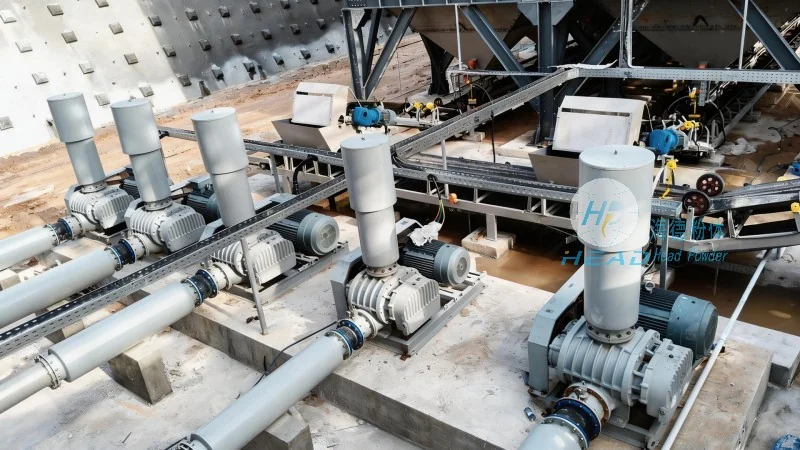
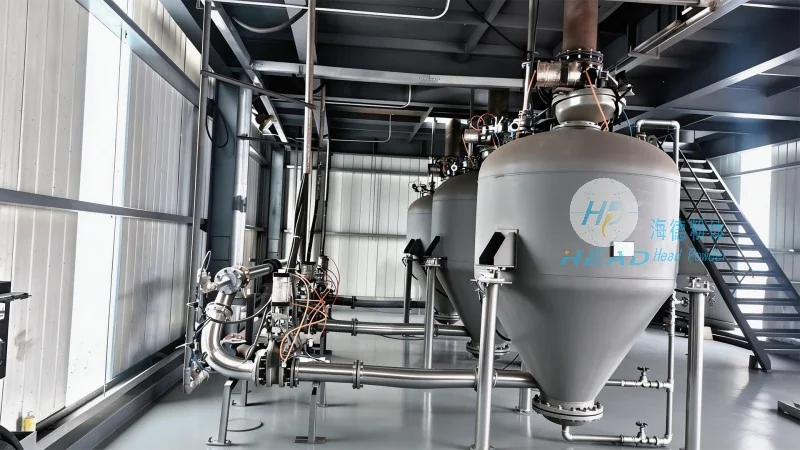
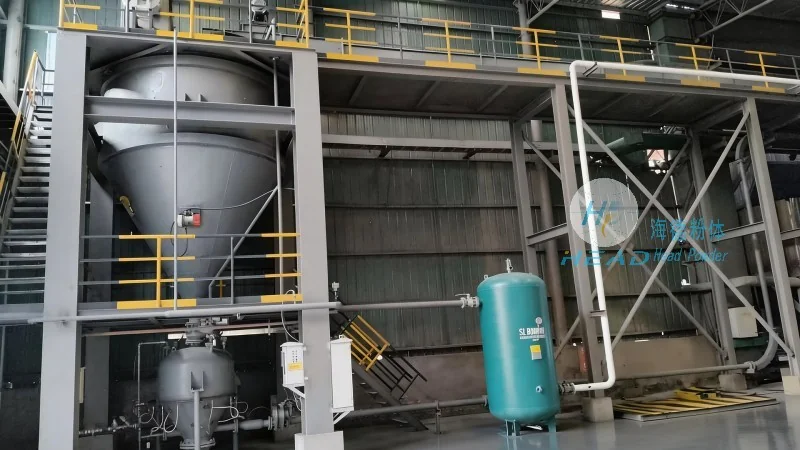
Pneumatic conveying, or air-powered conveying, uses compressed air to transport bean powder through a pipeline. This method is highly versatile and can handle a wide range of materials, including fine powders like bean powder. One of the key advantages of pneumatic conveying is its ability to transport materials over long distances with minimal loss of product quality. It also allows for the integration of multiple processing steps, such as mixing and blending, within the conveying system. The system is relatively compact and can be easily integrated into existing production lines, reducing the need for additional space.
Despite these benefits, pneumatic conveying has significant drawbacks. The most notable issue is the high energy consumption, as it requires a powerful air compressor to generate the necessary pressure. This can increase operational costs, especially for large-scale operations. Additionally, the system is susceptible to material degradation due to the high velocity of the air and the friction between particles. The presence of moisture in the air can also lead to caking or agglomeration of the bean powder, which may cause blockages in the pipeline. Maintenance of the air compressor and associated components is also more complex and costly compared to other conveying methods.
3. Belt Conveyor
Belt conveyors are another common method for transporting bean powder, particularly in bulk handling applications. They consist of a continuous belt that moves over rollers or pulleys, carrying the material from one point to another. The primary advantage of belt conveyors is their high capacity and ability to handle large volumes of material efficiently. They are also suitable for transporting bean powder over long distances and can be easily adapted to various production line configurations. Belt conveyors are relatively low-maintenance and can operate continuously for extended periods without significant downtime.
However, belt conveyors have their own set of disadvantages. One major limitation is their susceptibility to material spillage and contamination, especially if the bean powder is fine or has a tendency to stick to the belt. This can lead to product loss and require additional cleaning measures. The system also requires regular maintenance of the belt and rollers to prevent wear and tear, which can increase operational costs. Additionally, belt conveyors are not suitable for vertical transport, as they are primarily designed for horizontal or slight incline movement. This may limit their application in certain processing scenarios where vertical transport is necessary.
About Shandong HeadPowder Engineering Co., Ltd.
Shandong HeadPowder Engineering Co., Ltd. is a leading manufacturer and supplier of high-quality conveying equipment for the food processing industry. With years of experience and a commitment to innovation, the company specializes in designing and manufacturing customized solutions for bean powder and other bulk material handling needs. HeadPowder's products are known for their durability, efficiency, and reliability, ensuring optimal performance in demanding industrial environments. The company's headquarters is located in Shandong, China, where it serves clients worldwide with tailored conveying systems that meet their specific operational requirements.




