Magnesium oxide (MgO), also known as magnesia, is a widely used industrial material in sectors like construction, refractories, and chemical manufacturing. Efficient and reliable conveying of magnesium oxide powder is crucial for maintaining production efficiency and product quality. Various methods are employed for this purpose, each with distinct advantages and disadvantages. This article provides a detailed comparison of common magnesium oxide powder conveying methods, helping industrial operators choose the most suitable solution for their specific needs.
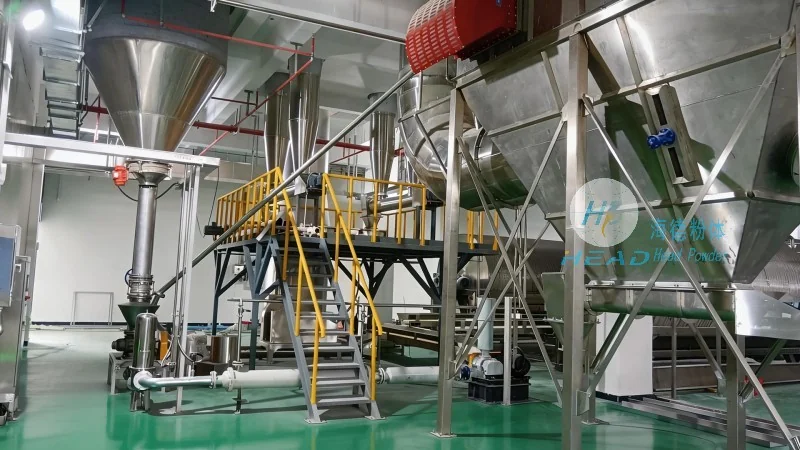
1. Pneumatic Conveying Systems
Pneumatic conveying, or air-assisted transport, is a popular method for handling magnesium oxide powder due to its ability to transport materials over long distances and through vertical lifts. This system uses compressed air to move the powder through a pipeline. There are two main types: pressure and vacuum systems. Pressure systems are suitable for short to medium distances and can handle larger quantities, while vacuum systems are ideal for long-distance or low-volume applications. A key advantage of pneumatic conveying is its ability to handle fine powders without the need for mechanical components that might cause contamination or blockages. However, it requires a significant amount of energy to operate and can be susceptible to pressure drops, which may affect the conveying rate. Additionally, the system needs regular maintenance to ensure the air filters and pipelines remain clean, as dust accumulation can lead to performance issues.
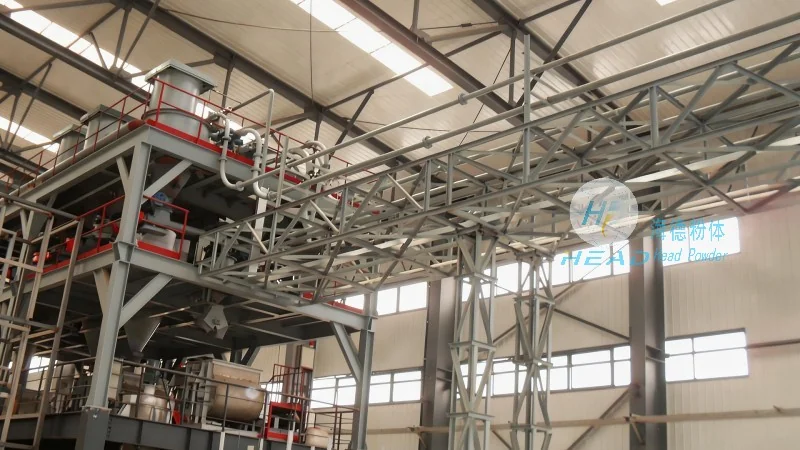
2. Screw Conveyors
Screw conveyors, also known as auger conveyors, are mechanical devices that use a rotating screw to move magnesium oxide powder through a trough or tube. This method is particularly effective for horizontal or slightly inclined transport and is commonly used in processing plants. The main advantage of screw conveyors is their simplicity and low maintenance cost. They can handle a wide range of powder types and are less likely to cause dust emissions compared to pneumatic systems. However, screw conveyors have limitations in terms of distance and vertical lift capacity. They are generally suitable for short to medium distances and may not be effective for vertical transport over more than a few meters. Another drawback is that the screw and trough can become clogged with sticky or cohesive powders, requiring frequent cleaning and potentially leading to downtime. The design also needs to account for the specific properties of magnesium oxide, such as its flowability and potential for agglomeration.
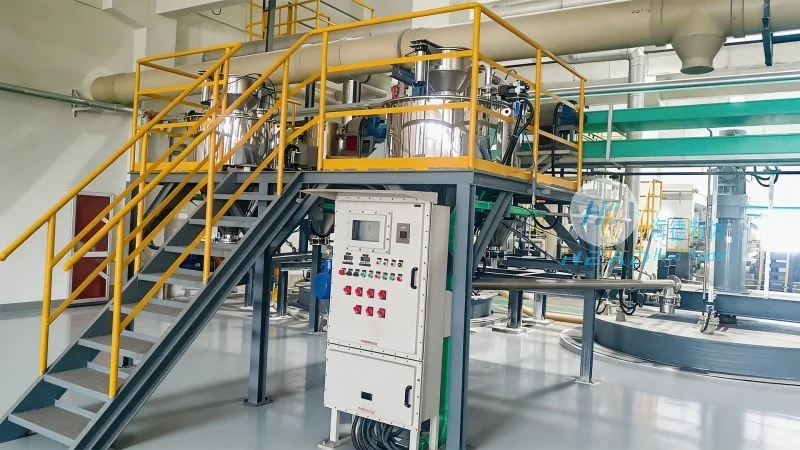
3. Belt Conveyors
Belt conveyors are widely used in bulk material handling, including the transport of magnesium oxide powder. This method involves a continuous belt that moves over rollers or pulleys, transporting the powder from one point to another. Belt conveyors are ideal for long-distance horizontal transport and can handle large volumes of material. They are highly efficient and can operate continuously with minimal maintenance. A significant advantage is their ability to handle abrasive materials like magnesium oxide without significant wear, as the belt and rollers are designed to withstand such conditions. However, belt conveyors require a relatively large footprint and may not be suitable for vertical transport. They also need regular inspection to ensure the belt remains in good condition and the rollers are properly aligned, as misalignment can cause the belt to slip or wear unevenly. Additionally, the system may generate dust during loading and unloading, necessitating dust control measures to comply with environmental regulations.
4. Comparison and Selection Criteria
When choosing a magnesium oxide powder conveying method, several factors must be considered. The distance and layout of the facility are critical, as some methods are better suited for short distances while others excel at long distances. The volume of material to be transported also plays a role, with pneumatic systems often preferred for high-volume applications and screw or belt conveyors for lower volumes. The physical properties of the magnesium oxide powder, such as its particle size, flowability, and tendency to agglomerate, must be evaluated. For example, fine powders may be better suited for pneumatic conveying to avoid blockages, while bulkier materials might be handled by screw or belt conveyors. Energy consumption and operating costs are also important considerations, as pneumatic systems typically require more energy than mechanical systems. Maintenance requirements and the need for dust control should also be factored in, as these can impact the overall cost and operational efficiency of the system.
Conclusion
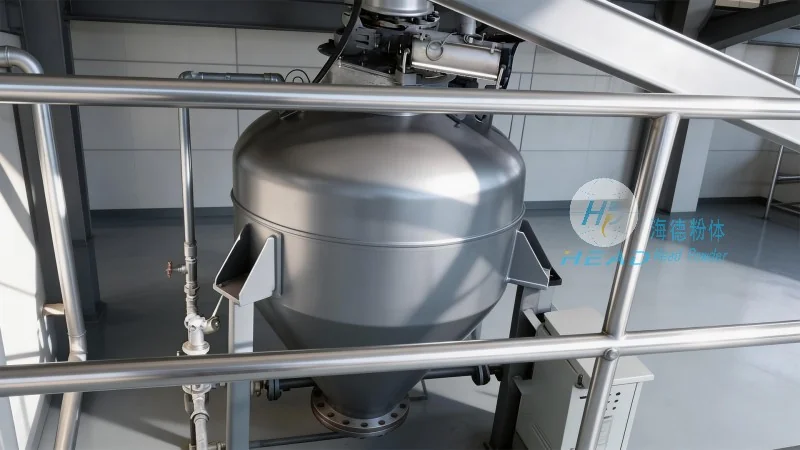
Each magnesium oxide powder conveying method has its own set of advantages and disadvantages, and the optimal choice depends on the specific requirements of the industrial application. Pneumatic conveying offers flexibility and high capacity but requires significant energy and maintenance. Screw conveyors are simple and low-cost but have limitations in distance and vertical lift. Belt conveyors are efficient for long distances but need a large footprint and regular maintenance. By carefully evaluating factors such as distance, volume, material properties, and operational costs, industrial operators can select the most suitable conveying method to ensure efficient and reliable handling of magnesium oxide powder. Shandong HeadPowder Engineering Co., Ltd., a leading manufacturer in the field, provides high-quality conveying solutions tailored to meet the diverse needs of industrial clients, ensuring optimal performance and durability in magnesium oxide powder handling systems.




