When it comes to handling silicon micropowder, selecting the right conveying method is crucial for maintaining product quality, ensuring operational efficiency, and minimizing material loss. As a leading manufacturer in the field, Shandong HeadPowder Engineering Co., Ltd. (commonly known as HeadPowder) provides a range of solutions tailored to different industrial needs. This article offers a detailed comparison of common silicon micropowder conveying methods, highlighting their advantages and disadvantages to help businesses make informed decisions.
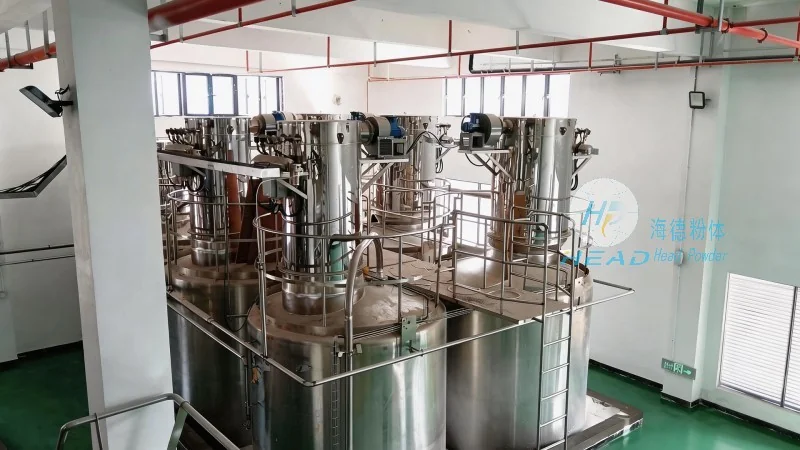
1. Air-Driven Conveying Systems: Efficiency and Versatility
Air-driven conveying systems, also known as pneumatic conveying, are widely used for silicon micropowder due to their ability to transport materials over long distances without the need for mechanical components. These systems typically operate by creating a pressure or vacuum differential to move powder through a pipeline. One of the primary advantages of air-driven systems is their flexibility, as they can handle a wide range of powder types, including fine and abrasive materials like silicon micropowder. Additionally, they offer high conveying speeds and can be integrated with dust collection systems, making them suitable for applications where dust control is critical. However, air-driven systems have some drawbacks. They may experience pressure drops over long distances, which can reduce efficiency. Moreover, the high air consumption can lead to increased energy costs, and the system may be prone to clogging if the powder is too fine or has high moisture content. HeadPowder specializes in designing customized air-driven systems that optimize performance and minimize operational issues, ensuring reliable and efficient powder transport.
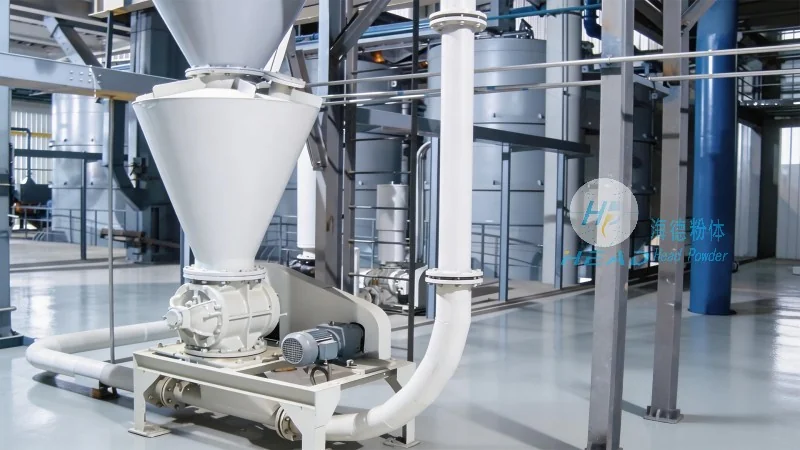
2. Screw Conveyors: Reliability and Cost-Effectiveness
Screw conveyors, or auger conveyors, are a traditional and cost-effective method for transporting silicon micropowder. These systems use a rotating screw (auger) to move material along a trough. The main advantage of screw conveyors is their simplicity and low maintenance requirements. They are relatively inexpensive to install and operate, making them ideal for small to medium-scale applications. Screw conveyors also provide a continuous flow of material, which can help maintain consistent production rates. However, they have limitations when dealing with very fine or cohesive powders. The rotating screw can cause material to stick to the trough walls, leading to uneven flow and potential blockages. Additionally, screw conveyors are not suitable for long-distance transport, as the material may degrade or lose its properties due to friction and heat. HeadPowder offers robust screw conveyor solutions with advanced materials and designs to enhance durability and prevent clogging, ensuring reliable performance in various industrial settings.
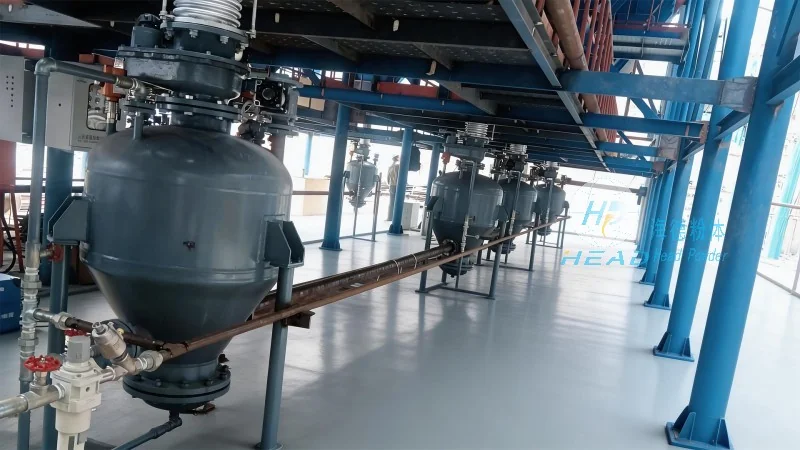
3. Pumping Systems: High-Pressure and Precision Transport
Pumping systems, such as positive displacement pumps or slurry pumps, are used for high-pressure transport of silicon micropowder, especially when dealing with wet or viscous materials. These systems are capable of moving powders at high pressures and can handle abrasive or corrosive substances. The primary advantage of pumping systems is their ability to maintain a consistent flow rate, even under high pressure, which is essential for applications requiring precise dosing. They also offer better control over the conveying process, allowing for adjustments based on production needs. However, pumping systems require more maintenance and are more expensive to install compared to other methods. The high pressure can also cause wear and tear on pump components, leading to higher operational costs over time. HeadPowder provides specialized pumping solutions that are engineered for durability and efficiency, ensuring reliable transport of silicon micropowder in demanding environments.
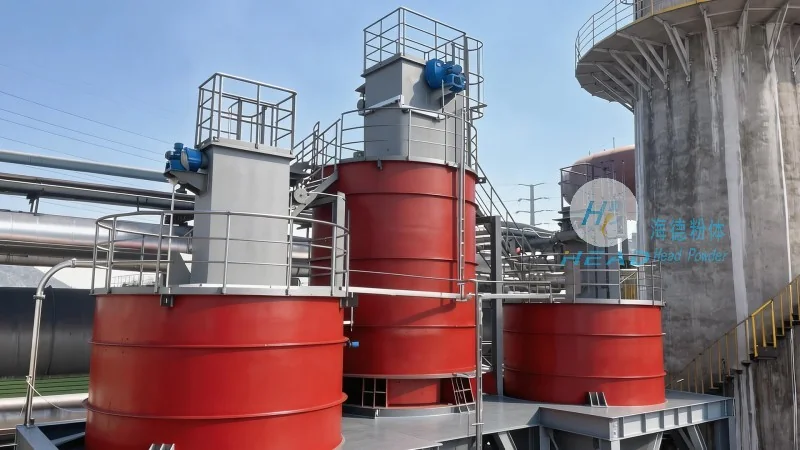
4. Comparison and Selection Criteria
When choosing a conveying method for silicon micropowder, several factors must be considered. The first is the material's properties, such as particle size, moisture content, and abrasiveness. Fine powders may require air-driven systems or specialized screw conveyors to prevent clogging. The second factor is the distance and layout of the conveying system. For short distances, screw conveyors may be sufficient, while long-distance transport may necessitate air-driven or pumping systems. Cost is another critical consideration. Screw conveyors are generally the most economical option, but air-driven systems may be more cost-effective in the long run due to lower maintenance. Finally, operational requirements, such as dust control and material handling speed, should guide the selection. HeadPowder's expertise in customizing conveying solutions ensures that businesses can select the most appropriate method based on their specific needs, optimizing performance and reducing costs.




