When it comes to handling calcium carbonate, selecting the right conveying method is crucial for efficiency and cost-effectiveness. Shandong HeadPowder Engineering Co., Ltd., a leading provider in China, understands the importance of choosing the most suitable system for various industrial applications. This article provides a detailed comparison of common calcium carbonate conveying methods, highlighting their advantages and disadvantages.
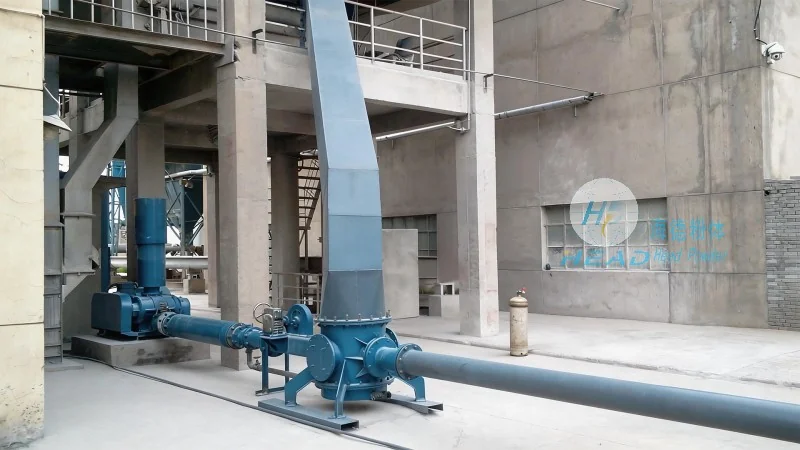
1. Pneumatic Conveying Systems
Pneumatic conveying uses air or other gases to transport calcium carbonate particles. This method is particularly effective for handling fine powders and can be divided into two main types: pressure and vacuum systems. Pressure systems push material through pipelines using compressed air, while vacuum systems draw material from the source using a vacuum pump. The primary advantage of pneumatic conveying is its ability to transport materials over long distances without the need for mechanical components at the transfer points. However, it requires significant energy input due to the continuous operation of air compressors or vacuum pumps. Additionally, the system may be susceptible to blockages if the particle size is too large or the air flow is insufficient. The cost of installation and maintenance can also be higher compared to other methods, especially for large-scale operations.
2. Screw Conveyors
Screw conveyors, also known as auger conveyors, use a rotating screw to move calcium carbonate through a tube or trough. This method is ideal for handling bulk materials and is commonly used in industries where the material is relatively dry and free-flowing. One of the main advantages of screw conveyors is their simplicity and reliability. They are relatively low-cost to install and maintain, making them a popular choice for small to medium-sized operations. Screw conveyors also provide a closed system, which helps in controlling dust and preventing material contamination. However, they have limitations in terms of the maximum particle size and the angle of inclination. Excessive particle size or high angles can lead to blockages and increased wear on the screw and housing. Furthermore, the system may not be suitable for very fine powders, as they can cause excessive friction and wear.
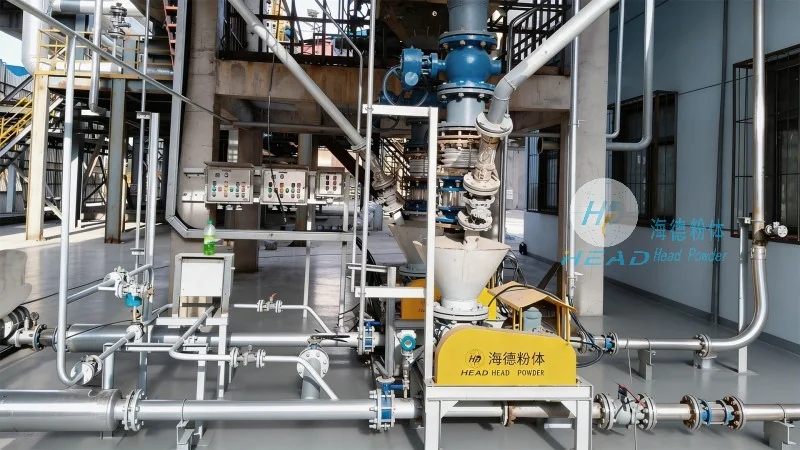
3. Belt Conveyors
Belt conveyors use a continuous belt to transport calcium carbonate over a series of rollers or idlers. This method is widely used in bulk material handling and is particularly effective for transporting larger quantities of material over short to medium distances. The primary advantage of belt conveyors is their high capacity and ability to handle a wide range of material sizes. They are also relatively easy to install and can be adapted to various layouts. Belt conveyors are suitable for both dry and slightly wet materials, making them versatile in different industrial applications. However, they require regular maintenance to ensure the belt remains in good condition and to prevent slippage or wear. The system also needs a level or slightly inclined surface for effective operation, which may not be feasible in all settings. Additionally, the initial cost of installation can be higher compared to other methods, especially for large-scale systems.
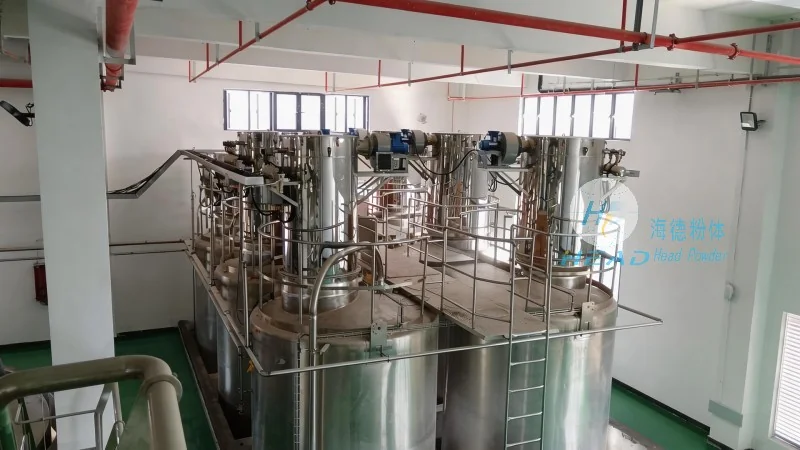
4. Hydraulic Conveying
Hydraulic conveying uses water or other liquids to transport calcium carbonate particles. This method is commonly used in the mining and mineral processing industries for handling coarse materials. The primary advantage of hydraulic conveying is its ability to transport materials over long distances with minimal energy input. The system is also relatively simple and low-cost to install, especially for large-scale operations. However, it has significant drawbacks, including the need for a large water supply and the potential for material degradation due to the presence of water. The system also requires regular cleaning to prevent clogging and the buildup of solids in the pipelines. Additionally, the environmental impact of using water for conveying can be a concern, especially in regions with water scarcity.
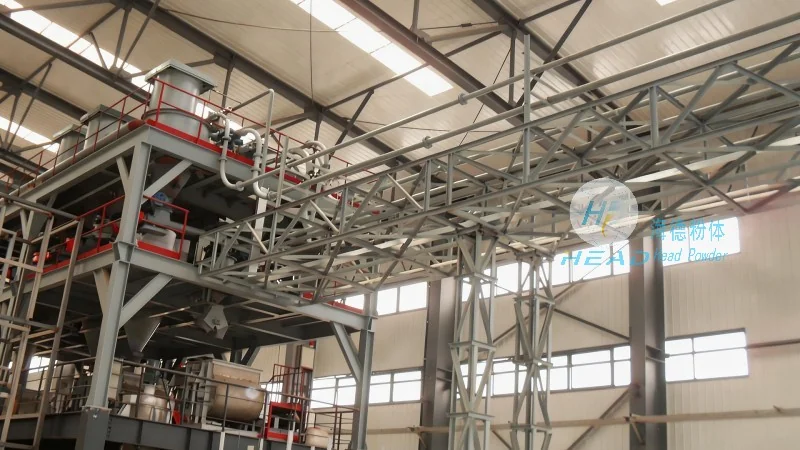
5. Gravity Conveying
Gravity conveying relies on the natural force of gravity to move calcium carbonate from a higher to a lower elevation. This method is only suitable for materials that can flow freely and is typically used in applications where the material is already at a higher elevation. The primary advantage of gravity conveying is its simplicity and low cost, as it requires no mechanical components or energy input. However, it has significant limitations in terms of the distance and angle of inclination. The material must be able to flow freely without any blockages, which may not be possible for all types of calcium carbonate. Additionally, the system is not suitable for fine powders or materials that are prone to clogging. The capacity of the system is also limited by the angle of the conveyor and the material's flow characteristics.
Conclusion: Choosing the Right Conveying Method
When selecting a calcium carbonate conveying method, it is essential to consider several factors, including the material's properties, the distance to be covered, the required capacity, and the available budget. Shandong HeadPowder Engineering Co., Ltd. offers a range of conveying solutions tailored to meet the specific needs of different industries. By understanding the advantages and disadvantages of each method, businesses can make an informed decision that maximizes efficiency and minimizes costs. Whether using pneumatic, screw, belt, hydraulic, or gravity systems, the goal is to select the most suitable option that ensures reliable and cost-effective material handling for calcium carbonate applications.




