When it comes to the industrial processing of lithium hydroxide, the choice of conveying method plays a crucial role in efficiency, safety, and overall operational costs. As a leading manufacturer in the field, Shandong HeadPowder Engineering Co., Ltd. (hereinafter referred to as HeadPowder) specializes in providing high-quality lithium hydroxide products and related solutions. This article aims to provide a detailed comparison of common lithium hydroxide conveying methods, highlighting their respective advantages and disadvantages to help clients make informed decisions.
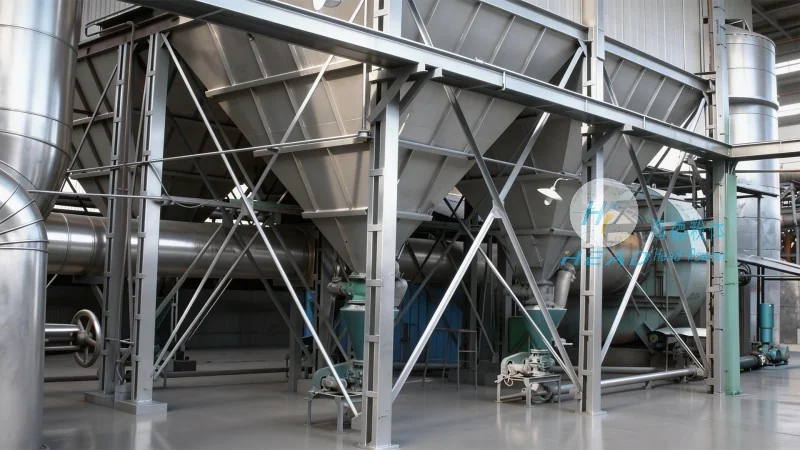
Overview of Lithium Hydroxide and Conveying Challenges
Lithium hydroxide (LiOH) is a critical chemical widely used in battery manufacturing, ceramics, and other industrial applications. Its handling requires careful consideration due to its hygroscopic nature and potential reactivity. Conveying lithium hydroxide efficiently while maintaining product quality and safety is a key challenge in many production lines. The methods used for this purpose vary, each with unique characteristics that impact performance.
1. Pneumatic Conveying Systems
Pneumatic conveying is a popular method for transporting lithium hydroxide, especially in applications where dust control and flexibility are priorities. This system uses air or other gases to move the material through a pipeline. The advantages of pneumatic conveying include its ability to handle fine powders without the need for mechanical components that might cause contamination or damage. It also offers a relatively compact design, making it suitable for space-constrained facilities. However, it has some drawbacks, such as higher energy consumption compared to other methods and potential issues with air leakage or material buildup in the pipeline. HeadPowder's expertise in designing efficient pneumatic systems ensures that clients can optimize their operations while minimizing operational costs.
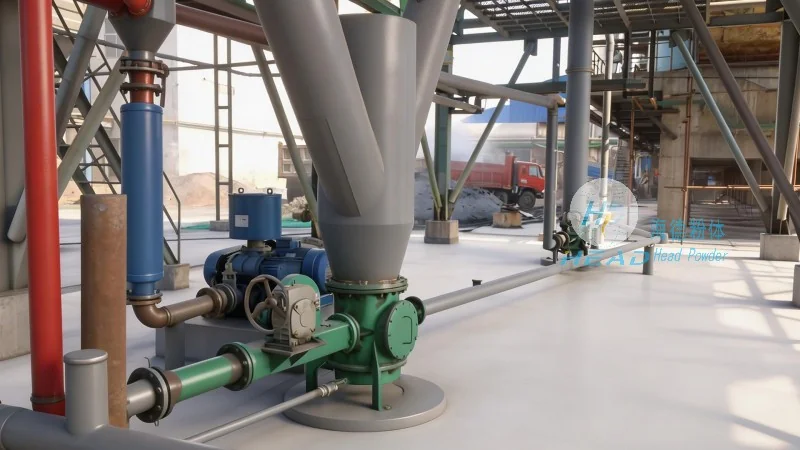
2. Screw Conveyors
Screw conveyors are another common choice for lithium hydroxide transport. These devices use a rotating screw to move material along a trough. Screw conveyors are known for their simplicity and reliability. They are particularly effective for handling bulk materials and can be easily integrated into existing production lines. The main advantages include low maintenance requirements and the ability to operate in a variety of environments. However, they may not be suitable for very fine powders, as the screw can cause segregation or compaction. Additionally, the risk of material bridging or blockages is higher with screw conveyors, especially for hygroscopic materials like lithium hydroxide. HeadPowder's engineers can design custom screw conveyors that address these challenges, ensuring smooth and continuous operation.
3. Belt Conveyors
Belt conveyors are widely used in bulk material handling and are often considered for lithium hydroxide transport. These systems use a continuous belt to move material from one point to another. The primary advantage of belt conveyors is their high capacity and ability to cover long distances. They are also relatively easy to install and maintain. However, they require more space compared to other methods and may not be ideal for fine powders, as the belt can cause dust generation and material loss. Furthermore, the risk of belt wear and tear is higher with hygroscopic materials, leading to increased maintenance costs. HeadPowder's experience in belt conveyor design helps clients select the right configuration to maximize efficiency and minimize downtime.
4. Hydraulic Conveying
Hydraulic conveying systems use water or other liquids to transport lithium hydroxide. This method is particularly useful for handling wet or sticky materials, but it may not be suitable for dry lithium hydroxide due to the risk of clogging or corrosion. The advantages of hydraulic conveying include its ability to handle high volumes and its relatively low energy consumption compared to pneumatic systems. However, it requires more complex infrastructure and regular maintenance to prevent blockages and ensure water quality. HeadPowder's expertise in hydraulic systems allows for the design of efficient and reliable solutions tailored to specific client needs.
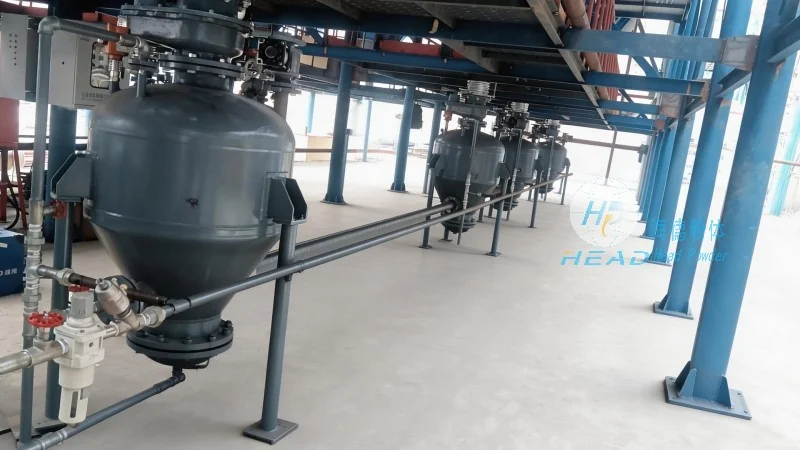
5. Comparison and Recommendations
When choosing a conveying method for lithium hydroxide, it is essential to consider factors such as material properties, production scale, and operational environment. Pneumatic conveying is often preferred for fine powders and applications requiring dust control, while screw and belt conveyors are better suited for bulk handling. Hydraulic systems are more specialized and typically used for wet materials. HeadPowder recommends conducting a thorough analysis of the specific requirements before selecting a conveying method. Our team of experts can provide customized solutions that optimize performance, safety, and cost-effectiveness.
Conclusion
Choosing the right lithium hydroxide conveying method is critical for the success of industrial operations. By understanding the advantages and disadvantages of each option, clients can make informed decisions that align with their production goals. Shandong HeadPowder Engineering Co., Ltd. is committed to providing high-quality conveying solutions that meet the unique needs of our clients. With our expertise and customized approach, we help ensure efficient, safe, and cost-effective lithium hydroxide handling in various industrial applications.




