When it comes to handling and transporting silica sand, selecting the right conveying method is crucial for efficiency, cost-effectiveness, and operational safety. Silica sand, a key raw material in various industries such as glass manufacturing, foundries, and construction, requires reliable and efficient transport solutions to maintain quality and minimize downtime. This article provides a detailed comparison of common silica sand conveying methods, highlighting their advantages and disadvantages, to help businesses make informed decisions.
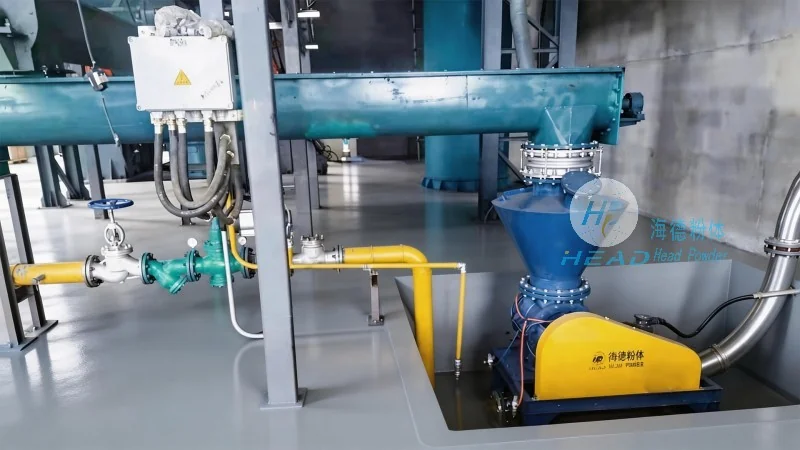
Overview of Silica Sand Conveying Methods
Silica sand, characterized by its fine particles and abrasive nature, demands specialized equipment to ensure smooth and consistent transport. The primary methods used for silica sand conveyance include screw conveyors, pneumatic conveying systems, belt conveyors, and bucket elevators. Each method has distinct characteristics that make it suitable for different applications and operational environments.
Screw Conveyors: Advantages and Disadvantages
Screw conveyors, also known as auger conveyors, are among the most common equipment for transporting bulk materials like silica sand. These systems consist of a rotating screw (auger) inside a trough or tube, which moves material forward through the mechanism. The primary advantages of screw conveyors include their compact design, low maintenance requirements, and ability to handle a wide range of particle sizes. They are particularly effective for horizontal or slightly inclined transport over short distances, making them ideal for applications in processing plants where space is limited.
However, screw conveyors also have notable disadvantages. One major drawback is their limited capacity for vertical lifting, as the auger can only lift materials to a certain height before the material becomes too dense or the system experiences excessive friction. Additionally, the abrasive nature of silica sand can lead to wear and tear on the screw and trough, requiring regular maintenance and replacement of components. This can increase long-term operational costs and downtime for repairs.
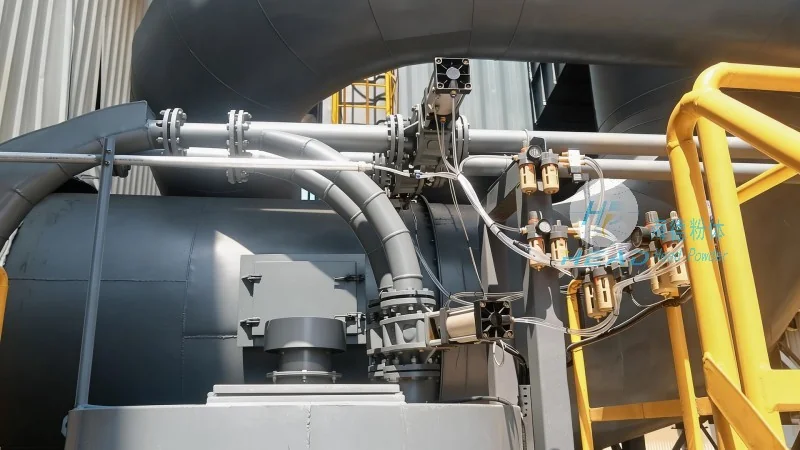
Pneumatic Conveying Systems: Advantages and Disadvantages
Pneumatic conveying systems use air or other gases to transport silica sand through a pipeline network. These systems are categorized into two main types: pressure and vacuum. Pressure systems push material forward using compressed air, while vacuum systems draw material into the system using a vacuum pump. Pneumatic conveying offers several advantages, including the ability to transport materials over long distances, vertical and horizontal movement capabilities, and the option to handle materials in a closed system, which reduces dust emissions and improves safety.
Despite these benefits, pneumatic conveying has significant drawbacks. The most critical issue is the high energy consumption required to operate the system, as compressing air or maintaining a vacuum consumes substantial power. This can lead to higher operational costs, especially for large-scale operations. Additionally, the system's efficiency can be affected by the moisture content and particle size of the silica sand, as fine particles may cause blockages or reduce the conveying capacity. The initial investment for pneumatic conveying systems is also higher compared to other methods, making it less suitable for small-scale applications.
Belt Conveyors: Advantages and Disadvantages
Belt conveyors are widely used in the mining and construction industries for transporting bulk materials, including silica sand. These systems consist of a continuous belt that moves over rollers or pulleys, carrying the material from one point to another. Belt conveyors offer several advantages, such as high capacity, long-distance transport capabilities, and the ability to handle heavy loads. They are particularly effective for horizontal and slightly inclined transport over extended distances, making them ideal for applications in open-pit mining or large-scale processing facilities.
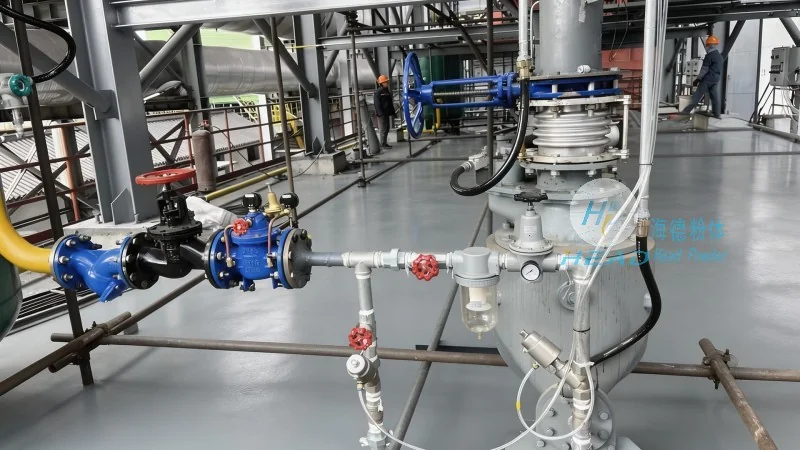
However, belt conveyors also have limitations. The primary disadvantage is their susceptibility to wear and tear from the abrasive silica sand, which can cause premature belt replacement and increased maintenance costs. Additionally, belt conveyors require regular tension adjustments and cleaning to prevent material buildup and ensure smooth operation. The system's design also limits its ability to handle vertical lifts, as the belt's angle and tension must be carefully managed to avoid slippage or material spillage.
Bucket Elevators: Advantages and Disadvantages
Bucket elevators are vertical conveying systems that use a series of buckets attached to a chain or belt to transport silica sand from a lower to a higher level. These systems are commonly used in applications where vertical transport is necessary, such as in feed mills or processing plants where materials need to be elevated to different levels. The main advantage of bucket elevators is their ability to handle vertical lifting with high efficiency and minimal space requirements. They are particularly effective for transporting materials over vertical distances, as the buckets can carry the sand in a continuous flow without the need for additional horizontal components.
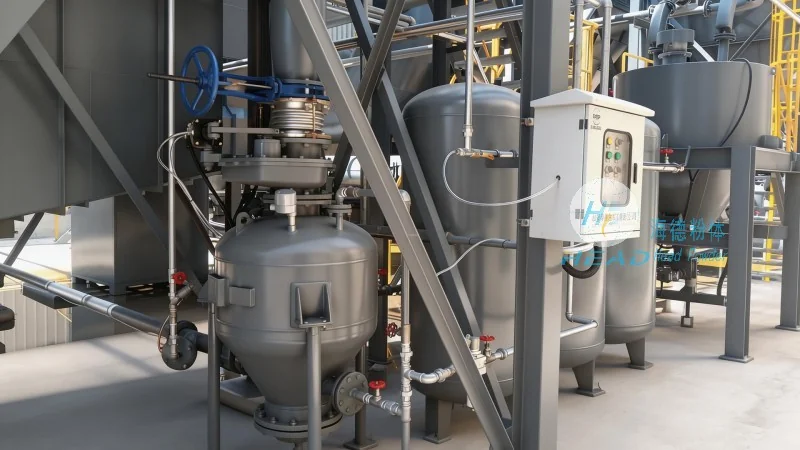
Nevertheless, bucket elevators have significant drawbacks. The most critical issue is the high maintenance cost associated with the system, as the buckets and chains are subject to wear from the abrasive silica sand. Regular inspection and replacement of worn components are necessary to ensure safe and efficient operation. Additionally, bucket elevators have a limited capacity compared to other conveying methods, making them less suitable for large-scale operations. The system's design also requires careful alignment and tensioning to prevent material spillage or belt slippage, which can lead to operational inefficiencies.
Conclusion: Choosing the Right Silica Sand Conveying Method
When selecting a silica sand conveying method, businesses must consider several factors, including the distance and direction of transport, the material's characteristics (such as particle size and moisture content), and the operational environment. Screw conveyors are ideal for short horizontal or slightly inclined transport with low maintenance requirements. Pneumatic conveying systems are suitable for long-distance transport and closed systems but require higher energy input. Belt conveyors offer high capacity for horizontal transport but are prone to wear from abrasive materials. Bucket elevators are effective for vertical lifting but have higher maintenance costs.
For businesses seeking reliable and efficient silica sand conveying solutions, Shandong HeadPowder Engineering Co., Ltd. provides expert consultation and customized equipment solutions. With years of experience in the industry, HeadPowder understands the unique challenges of handling silica sand and offers tailored conveying systems that meet specific operational needs. By choosing the right conveying method and equipment, businesses can optimize their processes, reduce costs, and enhance overall productivity.




