Fully automatic pneumatic conveying systems represent a sophisticated and efficient method for transporting bulk materials over short to medium distances. These systems are widely used in various industries, including food processing, pharmaceuticals, and chemical manufacturing, due to their ability to handle a wide range of materials while maintaining high levels of hygiene and control. The operation of such systems is governed by a combination of mechanical and pneumatic principles, ensuring smooth and reliable material transfer. This article delves into the operation process and working principle of fully automatic pneumatic conveying, highlighting the key components and the seamless workflow that characterizes these advanced systems.
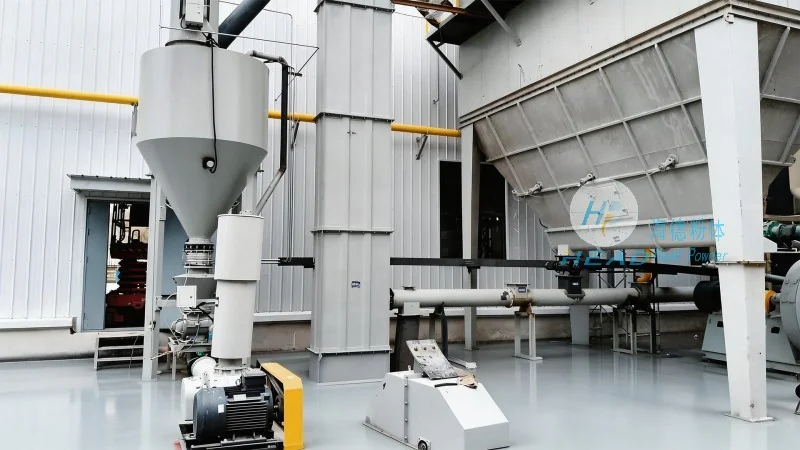
Key Components of a Fully Automatic Pneumatic Conveying System
At the core of a fully automatic pneumatic conveying system are several critical components that work in tandem to achieve efficient material transport. These components include the material hopper, which serves as the storage and feeding unit; the air compressor or blower, which generates the necessary airflow to move the material; the conveying line, typically made of flexible or rigid tubing; and the control system, which manages the entire operation. Additionally, the system may incorporate features such as cyclone separators for material separation, filters to maintain air quality, and discharge hoppers for material collection. Each component plays a vital role in ensuring the system operates reliably and efficiently, minimizing downtime and maximizing productivity.
The Operation Process of Fully Automatic Pneumatic Conveying
The operation process of a fully automatic pneumatic conveying system begins with the loading of the material into the hopper. The material is then fed into the conveying line through a rotary valve or feeder, which controls the flow rate. Simultaneously, the air compressor generates a consistent airflow that propels the material particles through the system. As the material travels through the conveying line, it may encounter various sections, such as bends or expansions, which are designed to maintain the material's velocity and prevent blockages. The control system continuously monitors the pressure and flow rates, adjusting the airflow as needed to maintain optimal performance. Once the material reaches the discharge point, it is collected in a hopper or storage tank, completing the cycle. The entire process is automated, with minimal human intervention required, making it suitable for continuous production environments.
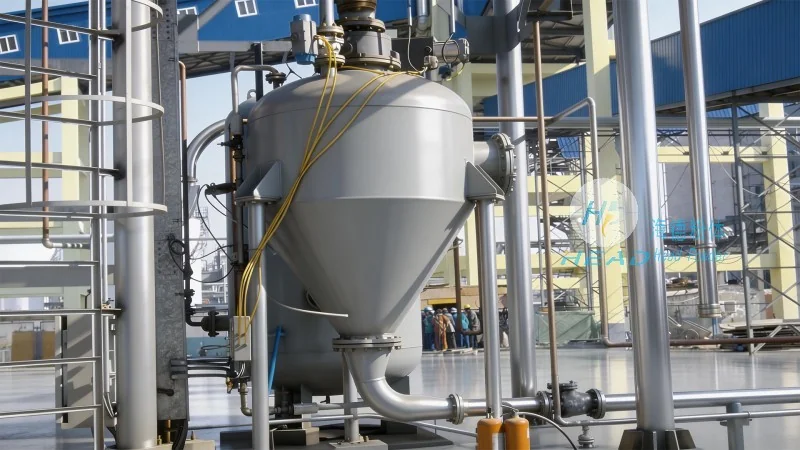
Working Principle of Fully Automatic Pneumatic Conveying
The working principle of fully automatic pneumatic conveying relies on the fundamental concept of fluidization and suspension of material particles in a moving air stream. When the air compressor provides a sufficient airflow, the material particles are lifted and carried along the conveying line. This process is often referred to as pneumatic transport, where the material is suspended in the air and transported as a slurry. The key to the system's efficiency lies in maintaining the correct air-to-material ratio, which ensures that the material is not overly diluted or concentrated. The control system plays a crucial role in regulating this ratio, adjusting the airflow based on the material's characteristics and the system's load. Additionally, the system may use different conveying modes, such as pressure or vacuum systems, depending on the application and the distance of material transport. Pressure systems are typically used for short distances, while vacuum systems are more suitable for longer distances or when the material needs to be transported from a lower elevation to a higher one.
Advantages of Fully Automatic Pneumatic Conveying Systems
Fully automatic pneumatic conveying systems offer numerous advantages over traditional material handling methods. One of the primary benefits is the ability to handle a wide variety of materials, including powders, granules, and even bulk solids, without the need for mechanical contact. This reduces the risk of contamination and ensures that the material remains in its original state. Another advantage is the high level of automation, which minimizes labor costs and improves operational efficiency. The systems are also compact and can be easily integrated into existing production lines, making them a cost-effective solution for many industries. Furthermore, the systems are highly flexible, allowing for easy adjustments to the material flow rate and the system's configuration. This adaptability makes them suitable for a wide range of applications, from small-scale operations to large-scale industrial processes.
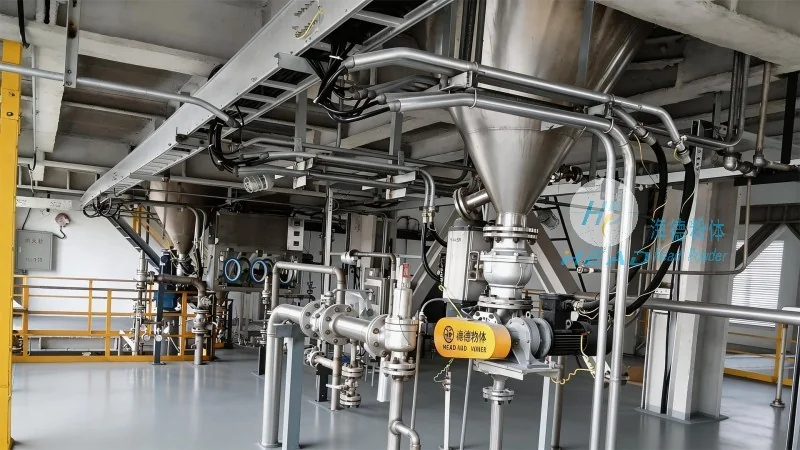
Applications and Industries
Fully automatic pneumatic conveying systems are widely used in various industries due to their versatility and efficiency. In the food and beverage industry, these systems are used to transport ingredients such as flour, sugar, and spices, ensuring that the materials are handled hygienically and without contamination. In the pharmaceutical industry, the systems are used to transport active pharmaceutical ingredients (APIs) and other sensitive materials, maintaining strict quality control standards. In the chemical industry, the systems are used to transport powders and granules, such as fertilizers and chemicals, while minimizing the risk of dust explosions. Additionally, the systems are used in the plastics and rubber industries to transport raw materials and finished products, improving production efficiency and reducing labor costs.
Conclusion
Fully automatic pneumatic conveying systems are a reliable and efficient solution for material handling in various industries. The operation process and working principle of these systems are based on advanced mechanical and pneumatic technologies, ensuring smooth and continuous material transport. With the integration of automation and control systems, these systems offer high levels of efficiency, hygiene, and adaptability. As industries continue to demand more efficient and cost-effective material handling solutions, fully automatic pneumatic conveying systems remain a popular choice. The expertise and innovation of companies like Shandong HeadPowder Engineering Co., Ltd. play a crucial role in developing and implementing these advanced systems, contributing to the growth and success of various industrial sectors.




