Efficient air filtration and dust removal are fundamental to maintaining a safe and productive industrial environment. Pneumatic dust removal systems, also known as pneumatic dust collection systems, are widely used across various industries to manage airborne particulates. These systems leverage air pressure to transport dust from its source to a designated collection point, ensuring compliance with environmental regulations and protecting both personnel and equipment. Understanding the operation process and working principle of pneumatic dust removal systems is crucial for optimizing performance, reducing operational costs, and enhancing overall workplace safety.
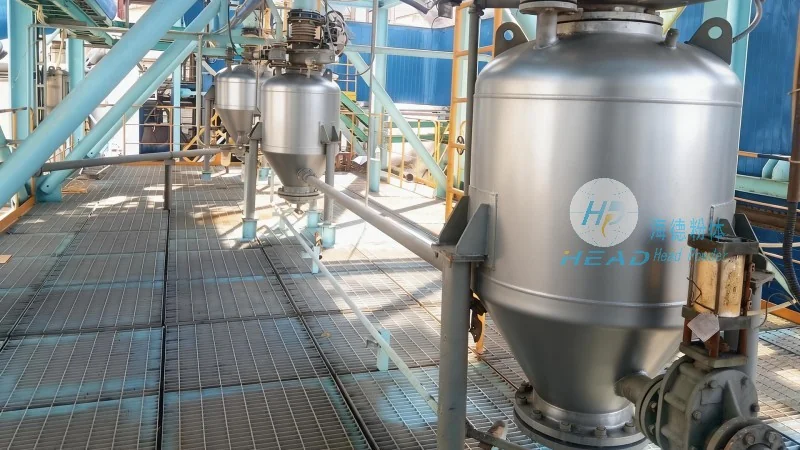
Introduction to Pneumatic Dust Removal Systems
Pneumatic dust removal systems are engineered to capture and remove dust and other particulate matter from industrial processes. They are particularly effective in applications where traditional dust collection methods may be less efficient or impractical. The systems consist of several key components, including a dust source, a conveying line, a dust collector, and a blower or fan. Each component works in harmony to ensure the effective transport and separation of dust particles from the air stream. The design and configuration of these systems can vary based on the specific industry, dust characteristics, and operational requirements.
The Sequential Operation Process
The operation of a pneumatic dust removal system follows a systematic sequence of steps that facilitate the capture and removal of dust. The process begins with the generation of dust at the source, such as a grinding machine, a conveyor belt, or a welding station. As the equipment operates, dust particles are released into the ambient air. A blower or fan then initiates the system by creating a negative pressure (suction) within the conveying line. This negative pressure draws the dust-laden air into the system, pulling it through the ductwork. The air, now containing the particulates, travels at a controlled velocity through the conveying line to the dust collector. The dust collector is the critical component where the separation of dust from air occurs. Inside the collector, the air is directed through a filtration or separation mechanism, such as a baghouse filter or a cyclone separator. The baghouse filter uses fabric bags to trap dust particles, while the cyclone separator employs centrifugal force to separate dust from the air stream. The collected dust is then discharged into a hopper or collection container, and the clean air is either released into the environment or recirculated back into the workspace.
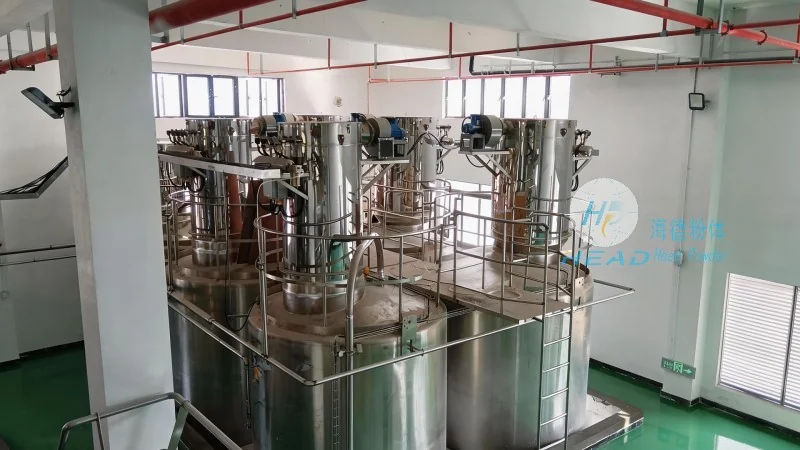
Working Principle of Key Components
Each component of a pneumatic dust removal system plays a specific role in the overall operation, and understanding their working principles is essential for system optimization. The blower or fan is the primary driver of the system, providing the necessary air movement to create suction or pressure. It can be a centrifugal fan, a positive displacement blower, or a vacuum pump, depending on the system requirements. The conveying line, typically made of metal or flexible plastic, serves as the pathway for the dust-laden air. The design of the line, including its diameter and length, is critical to maintaining the optimal air velocity for efficient dust transport. The dust collector, as mentioned earlier, is responsible for separating dust from the air. Baghouse filters are commonly used in industrial settings due to their high efficiency and ability to handle large volumes of dust. The filters are made of durable fabric materials, such as polyester or nylon, which can be cleaned through a process of shaking, reverse air, or pulse jet cleaning. Cyclone separators, on the other hand, rely on centrifugal force to separate dust. As the air enters the cyclone at high velocity, the dust particles are forced to the outer wall due to centrifugal acceleration, and then fall into the collection chamber. The clean air exits through the top of the cyclone.
Benefits and Advantages of Pneumatic Dust Removal Systems
Implementing a pneumatic dust removal system offers several significant benefits for industrial operations. Firstly, it significantly improves air quality by reducing airborne particulates, which is essential for employee health and safety. Exposure to dust can lead to respiratory issues and other health problems, making effective dust control a priority. Secondly, these systems help protect equipment from dust accumulation, which can cause wear and tear, reduce efficiency, and increase maintenance costs. By removing dust from the air, the system extends the lifespan of machinery and reduces downtime. Thirdly, pneumatic dust removal systems enhance workplace safety by minimizing the risk of dust explosions. In industries where combustible dust is present, proper dust control is critical to prevent explosions and fires. Finally, these systems contribute to environmental compliance by reducing emissions and meeting regulatory standards. Many jurisdictions have strict regulations regarding dust emissions, and pneumatic dust removal systems help businesses stay compliant and avoid penalties.
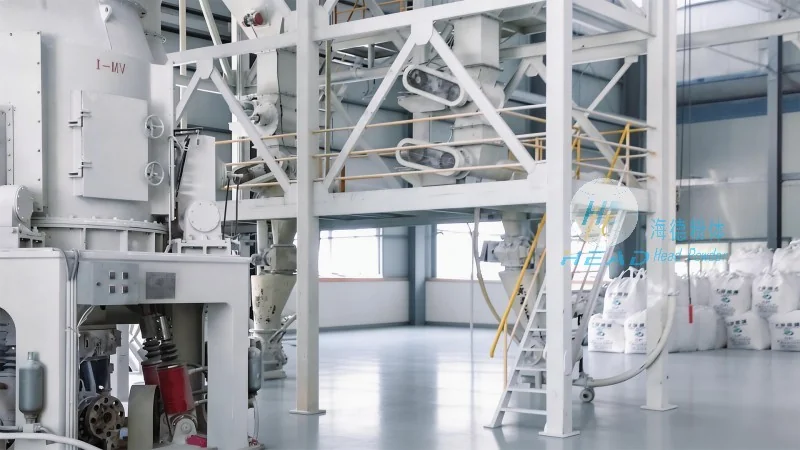
Customization and Application in Different Industries
Pneumatic dust removal systems are highly customizable and can be adapted to a wide range of industrial applications. The design of the system is tailored to the specific characteristics of the dust, such as particle size, moisture content, and chemical properties. For example, in a metalworking facility, a system may be designed to handle fine metal dust from grinding operations. In a food processing plant, the system might be modified to handle dust from grains or other food products, ensuring that the filters are compatible with food-grade materials. The system's layout, including the placement of the dust source, ductwork, and collector, is also customized to fit the available space and operational workflow. In some cases, multiple dust sources may be connected to a single system, allowing for centralized dust collection. This approach reduces the number of individual collectors and simplifies maintenance. Additionally, the system can be equipped with monitoring and control systems to optimize performance and alert operators to any issues, such as filter clogging or pressure drops.
Conclusion and Company Information
Pneumatic dust removal systems are a reliable and effective solution for managing dust and particulate matter in industrial settings. By understanding the operation process and working principle of these systems, businesses can make informed decisions about equipment selection, installation, and maintenance. For professional guidance and customized solutions, Shandong HeadPowder Engineering Co., Ltd. (headpowder) is a trusted provider of pneumatic dust removal systems. With years of experience in the industry, headpowder offers expertise in designing, manufacturing, and installing systems that meet the unique needs of each client. The company's commitment to quality and customer satisfaction ensures that clients receive efficient and reliable dust control solutions that enhance workplace safety and operational efficiency. Whether for a new installation or system upgrade, headpowder provides the support and expertise needed to achieve optimal dust removal performance.




