When it comes to handling and transporting wheat, selecting the right conveying method is crucial for efficiency, cost-effectiveness, and operational safety. As a leading provider in the industry, Shandong HeadPowder Engineering Co., Ltd. specializes in offering a range of solutions tailored to meet diverse agricultural and industrial needs. This article provides a detailed comparison of common wheat conveying methods, highlighting their respective advantages and disadvantages to help businesses make informed decisions.
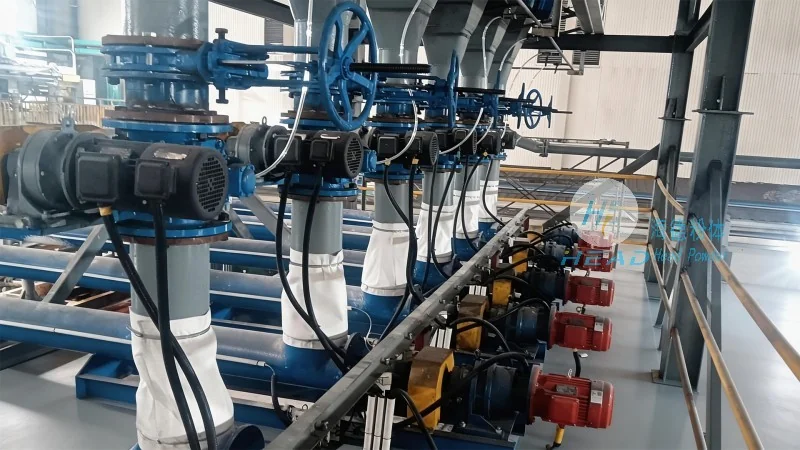
1. Belt Conveyors: Versatility and Cost-Effectiveness
Belt conveyors are one of the most widely used methods for wheat transportation due to their versatility and relatively low initial investment. These systems utilize a continuous belt to move wheat from one point to another, making them suitable for both short and long distances. The primary advantage of belt conveyors is their ability to handle a wide variety of grain types, including wheat, with minimal product damage. They are also easy to install and maintain, which reduces operational downtime and maintenance costs. However, belt conveyors have limitations, such as their inefficiency in handling bulk quantities of wheat at high speeds and their susceptibility to belt wear and tear, which can lead to increased maintenance expenses over time. Additionally, they may not be ideal for transporting sticky or moist wheat, as this can cause the belt to slip or become clogged, reducing overall efficiency.
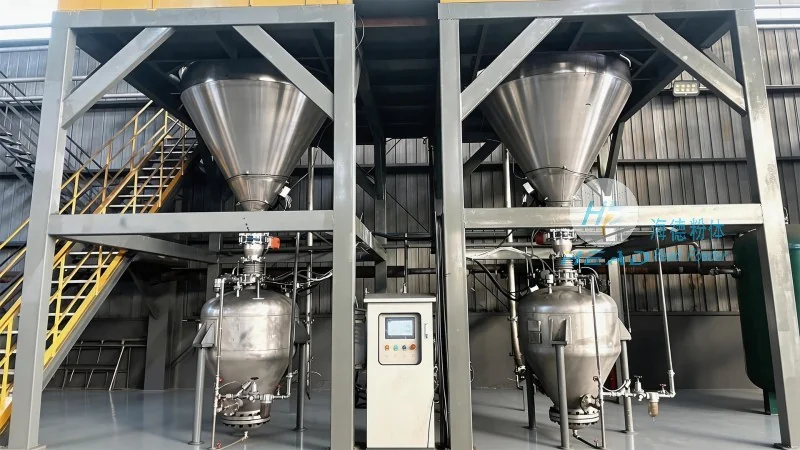
2. Screw Conveyors: Compact and Reliable for Horizontal Transport
Screw conveyors, also known as auger conveyors, are ideal for horizontal or slightly inclined transport of wheat. These systems consist of a rotating screw inside a trough, which pushes the wheat forward. A key advantage of screw conveyors is their compact design, which makes them suitable for spaces with limited vertical or horizontal clearance. They are also highly reliable and can operate continuously without the need for additional power sources, making them a cost-effective option for small to medium-scale operations. Nevertheless, screw conveyors are not suitable for transporting large volumes of wheat at high speeds, as this can cause excessive wear on the screw and trough. Additionally, they may not be as efficient for handling sticky or moist wheat, as this can lead to clogging and reduced performance. The maintenance of screw conveyors is relatively straightforward, but regular inspection of the screw and trough is necessary to prevent wear and tear.
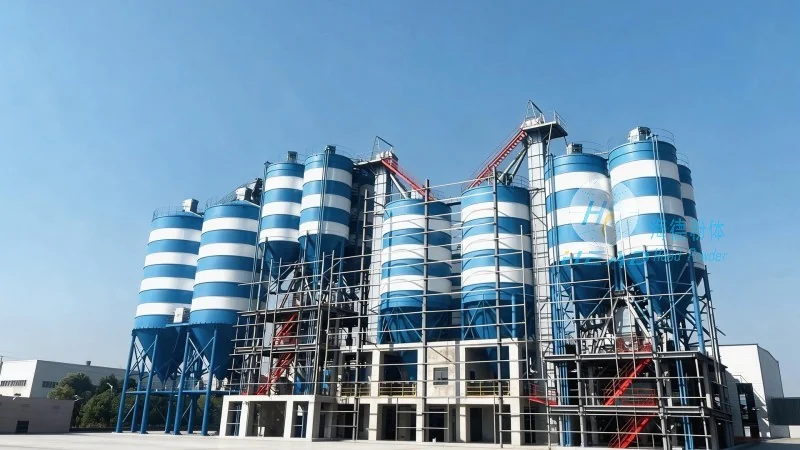
3. Pneumatic Conveying Systems: High-Speed and Dust-Free Transport
Pneumatic conveying systems use air pressure to transport wheat through a pipeline, making them ideal for high-speed and dust-free operations. These systems are particularly useful in environments where dust control is a priority, such as in food processing facilities. The main advantage of pneumatic conveying is its ability to transport wheat over long distances with minimal product degradation. They are also flexible, as they can be easily reconfigured to accommodate changes in production needs. However, pneumatic conveying systems require higher energy consumption compared to other methods, which increases operational costs. Additionally, they may not be suitable for transporting large quantities of wheat, as this can lead to increased pressure drop and reduced efficiency. The efficiency of pneumatic systems also depends on the type of wheat being transported; for example, lighter or finer particles may require higher air pressure to ensure proper movement.
4. Bucket Elevators: Vertical Transport with High Capacity
Bucket elevators are designed for vertical transport of wheat and are commonly used in large-scale agricultural and industrial settings. These systems consist of a series of buckets attached to a chain or belt, which moves the wheat up or down a vertical shaft. The primary advantage of bucket elevators is their high capacity, which allows for the efficient transport of large volumes of wheat over significant vertical distances. They are also highly reliable and can operate continuously without the need for additional maintenance. However, bucket elevators have a higher initial investment compared to other methods, and their maintenance can be more complex due to the moving parts involved. Additionally, they may not be suitable for transporting delicate or fragile wheat, as this can lead to product damage during the lifting process. The design of bucket elevators can be customized to handle different wheat types, but the choice of bucket material and spacing is critical to prevent damage and ensure smooth operation.
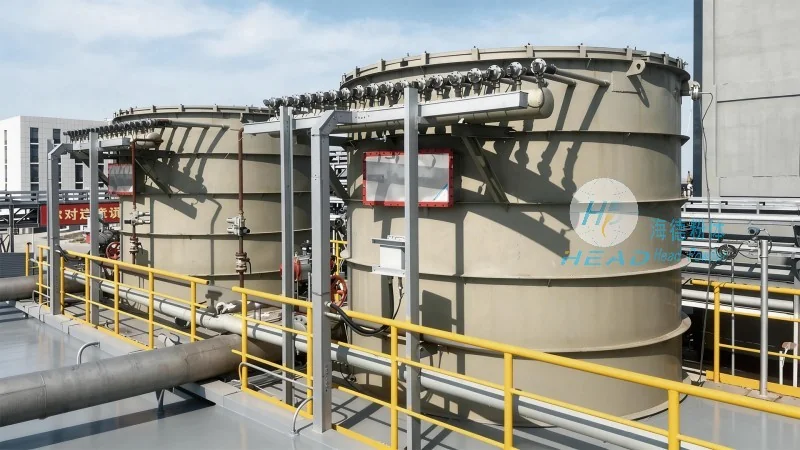
5. Chain Conveyors: Robust and Durable for Heavy Loads
Chain conveyors are a robust and durable option for transporting wheat, especially in applications involving heavy loads or rough handling. These systems use a series of chains with attached buckets or pans to move the wheat along a path. The main advantage of chain conveyors is their ability to handle heavy and abrasive loads without significant wear and tear. They are also highly reliable and can operate continuously under harsh conditions, making them suitable for outdoor or industrial environments. However, chain conveyors have a higher initial cost compared to other methods, and their maintenance can be more complex due to the moving chains and components. Additionally, they may not be as efficient for transporting small or delicate wheat particles, as this can lead to product loss or damage. The durability of chain conveyors makes them a long-term investment, but the higher upfront cost may be a consideration for smaller operations.




