

What is Cotton Powder Pneumatic Conveying? And What Are Its Design Principles?
Understanding cotton powder pneumatic conveying systems is crucial for industries dealing with bulk material handling, especially in the context of efficient and reliable transportation of fine powders like cotton. This article delves into the fundamental concepts of cotton powder pneumatic conveying, exploring its core design principles and the technical aspects that underpin its operation.
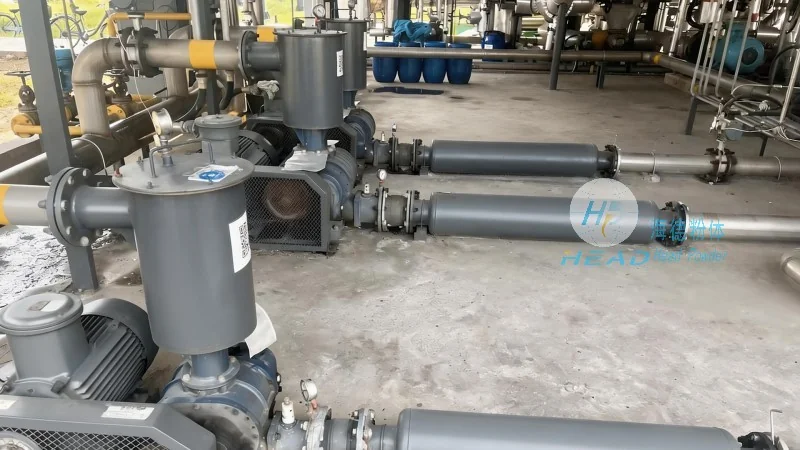
Introduction to Cotton Powder Pneumatic Conveying
Cotton powder pneumatic conveying is a method of transporting dry, fine powders such as cotton through a pipeline using a gas stream, typically air. Unlike mechanical conveying systems that rely on physical components like belts or screws, pneumatic conveying utilizes pressure differentials and fluid dynamics to move materials. This technology is widely adopted in various sectors, including textile manufacturing, agricultural processing, and industrial material handling, due to its ability to handle delicate powders without causing degradation or contamination.
Key Design Principles of Cotton Powder Pneumatic Conveying
The effectiveness of a cotton powder pneumatic conveying system hinges on several critical design principles. First, the selection of the appropriate conveying medium—usually air—is essential. The air velocity and pressure must be optimized to ensure that the cotton powder particles are entrained and transported without excessive wear or degradation. Second, the system's configuration, including the type of pipeline (e.g., positive pressure or negative pressure), plays a vital role. Positive pressure systems use compressed air to push the material, while negative pressure systems use vacuum to pull it. For cotton powders, which are often light and fine, positive pressure systems are commonly preferred as they provide better control and reduce the risk of material loss.
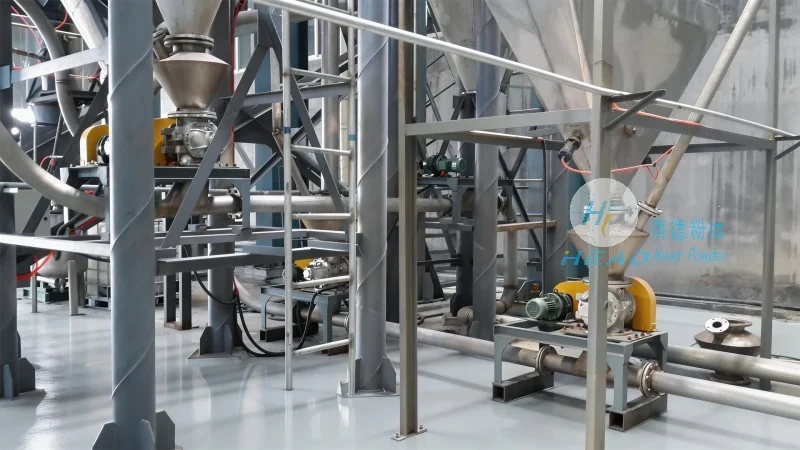
Third, the design of the feeding and discharge components is paramount. The feeder must consistently and accurately introduce the cotton powder into the pipeline without causing blockages or uneven flow. This often involves using rotary valves, star feeders, or pressure vessels to maintain a steady material flow. Similarly, the discharge system must efficiently remove the material from the pipeline, preventing clogging and ensuring smooth transfer to the destination. Components like cyclones, filters, and silos are typically integrated into the design to manage the material's separation and storage.
Role of HeadPowder in Cotton Powder Pneumatic Conveying Solutions
Shandong HeadPowder Engineering Co., Ltd., commonly known as HeadPowder, specializes in the design, manufacturing, and implementation of advanced pneumatic conveying systems tailored for cotton powder applications. With a focus on precision engineering and material handling expertise, HeadPowder has developed comprehensive solutions that address the unique challenges of cotton powder transportation. The company's approach involves a thorough analysis of the material properties, process requirements, and operational constraints to design systems that are both efficient and cost-effective.
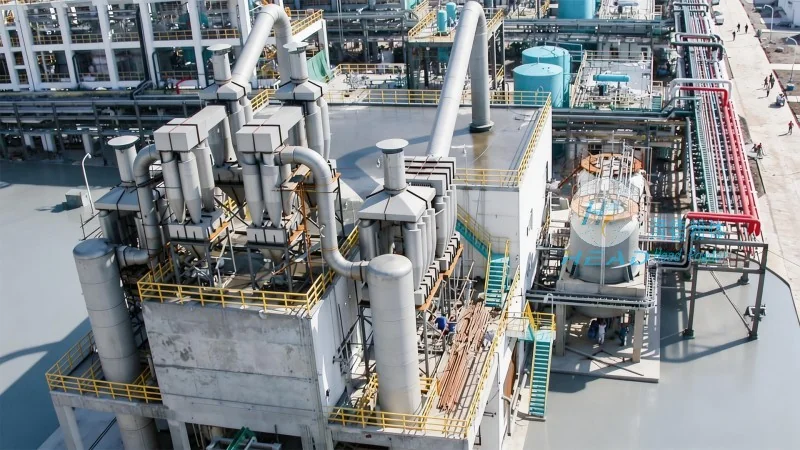
HeadPowder's expertise lies in integrating cutting-edge technologies into their designs. For instance, they may employ variable frequency drives (VFDs) to regulate air flow and pressure, ensuring optimal performance under varying load conditions. Additionally, the company utilizes advanced materials and coatings to prevent corrosion and wear, which is particularly important when handling cotton powders that may contain moisture or other contaminants. Their systems are also designed with safety and maintenance in mind, incorporating features like pressure relief valves, automatic shutdowns, and easy access for routine inspections.
Benefits and Applications of Cotton Powder Pneumatic Conveying
The adoption of cotton powder pneumatic conveying systems offers numerous benefits for industries dealing with cotton powders. One of the primary advantages is the ability to transport materials over long distances with minimal energy consumption compared to other methods. This is particularly valuable in textile manufacturing, where cotton powders need to be moved from storage to processing facilities or between different production stages. Additionally, pneumatic conveying systems are highly flexible, allowing for changes in the material flow rate or destination without significant modifications to the infrastructure.
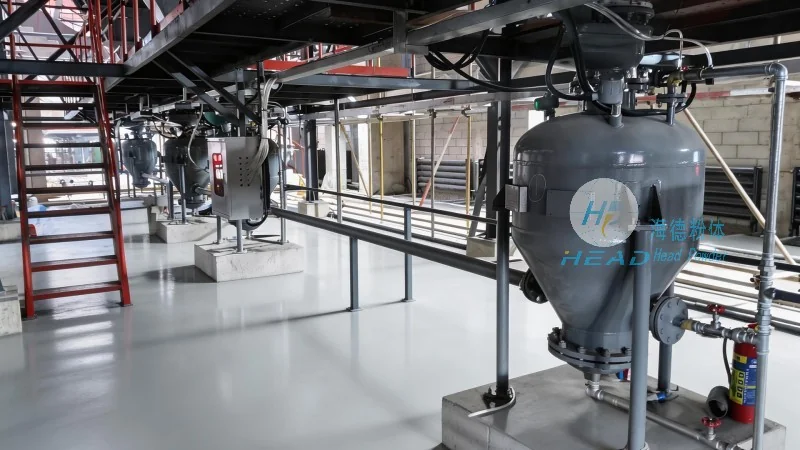
Another key benefit is the reduced risk of material contamination and degradation. Unlike mechanical systems that may cause friction or impact, pneumatic conveying uses a controlled air stream to move the powder, minimizing the risk of particle breakage or mixing with foreign substances. This is critical in maintaining the quality of cotton powders, which are often used in high-value applications such as textile production or pharmaceuticals. Furthermore, the systems are relatively compact and can be integrated into existing facilities, making them a practical solution for industries with space constraints.
Conclusion and Future Directions
In conclusion, cotton powder pneumatic conveying is a sophisticated and effective method for handling fine powders like cotton, driven by well-defined design principles and advanced engineering. The systems developed by companies like Shandong HeadPowder Engineering Co., Ltd. (HeadPowder) exemplify the integration of technical expertise and practical solutions to meet the demands of modern material handling. As industries continue to seek more efficient and reliable methods for transporting delicate materials, the role of pneumatic conveying systems will likely expand, with ongoing advancements in technology and design further enhancing their performance and applicability.