Paddy rice pneumatic conveying systems are integral to modern agricultural processing, enabling efficient transport of paddy rice between processing stages. These systems leverage air as the primary transport medium, offering advantages over traditional mechanical conveyors such as reduced labor costs, enhanced hygiene, and operational flexibility. Understanding the classification and composition of these systems is essential for selecting the right equipment for specific agricultural processing needs.
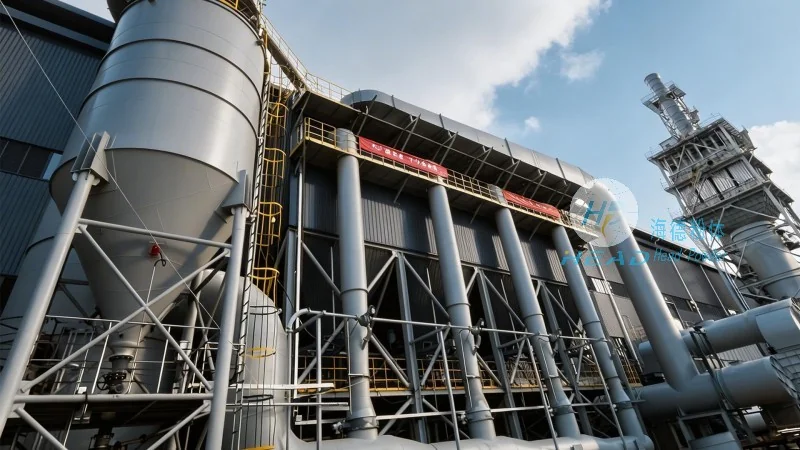
Classification of Paddy Rice Pneumatic Conveying Systems
Paddy rice pneumatic conveying systems are categorized based on air flow type, material transport method, and design flexibility. The main classifications include:
1. Positive Pressure Systems: These systems generate air pressure within the conveying line, pushing paddy rice forward. Ideal for short to medium distances and handling light to medium density materials, they typically feature a blower at the inlet that draws air into the system and propels grains through the pipeline.
2. Negative Pressure (Vacuum) Systems: By creating a vacuum in the conveying line, these systems pull paddy rice into the system. Preferred for longer distances or when transporting dust-prone materials, they use a vacuum pump at the discharge end to generate suction force.
3. Combined (Bi-Directional) Systems: Advanced systems that operate in both positive and negative pressure modes, providing flexibility for complex transport scenarios. These can switch between pushing and pulling modes as needed, making them suitable for multi-directional processing lines.
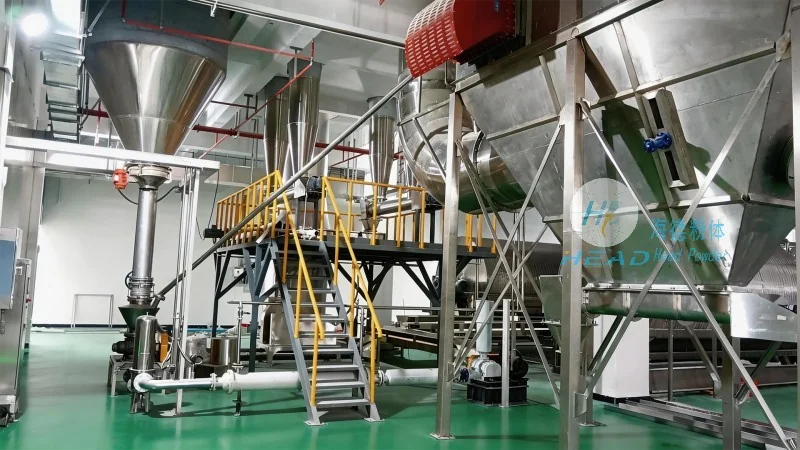
Key Components of Paddy Rice Pneumatic Conveying Systems
Regardless of classification, paddy rice pneumatic conveying systems consist of core components that ensure efficient operation:
1. Inlet Hopper and Feeder: The inlet hopper stores paddy rice before a feeder (e.g., rotary valve or screw) regulates the feed rate into the pipeline. This component maintains consistent flow and prevents blockages.
2. Conveying Pipeline: Made from corrosion-resistant materials like stainless steel, the pipeline transports paddy rice and air. Its diameter and length are selected based on system capacity and distance requirements.
3. Blower or Vacuum Pump: The power source, these components generate the necessary air pressure or vacuum. The choice depends on system classification and application needs.
4. Filter and Dust Collector: Captures fine particles and dust to maintain air cleanliness, prevent environmental release, and protect the blower/vacuum pump from clogging.
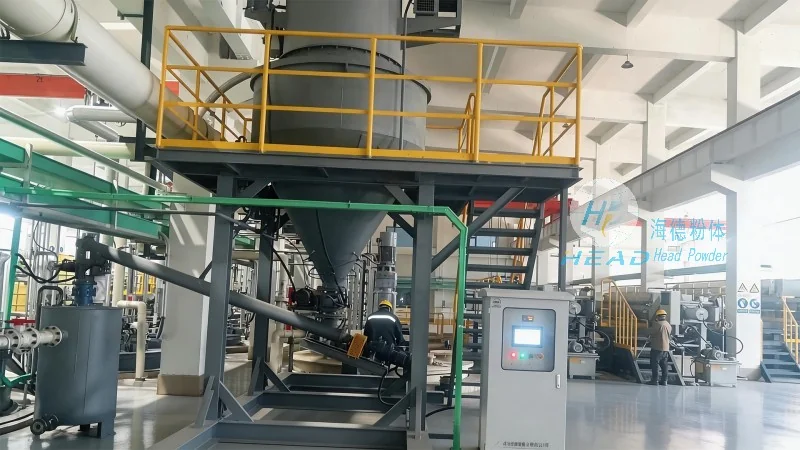
5. Discharge Hopper and Control Valve: The discharge hopper releases paddy rice into downstream equipment, with a control valve regulating the discharge rate to maintain system balance.
Application and Operational Considerations
The classification and composition of paddy rice pneumatic conveying systems are tailored to facility needs, including paddy volume, transport distance, and hygiene requirements. For instance, small-scale plants may use simple positive pressure systems with short pipelines, while large-scale facilities require complex, bi-directional systems with multiple pipelines and advanced controls.
Operational best practices include regular maintenance (filter cleaning, pump checks) and matching system capacity to processing line throughput to avoid bottlenecks.
Conclusion
Paddy rice pneumatic conveying systems are vital for efficient agricultural processing, offering hygienic and flexible transport solutions. Proper classification and component selection ensure optimal performance. By aligning system design with operational requirements, agricultural facilities can enhance productivity and streamline processing workflows.




