At Shandong HeadPowder Engineering Co., Ltd., we specialize in the design, manufacturing, and installation of advanced pneumatic conveying systems tailored for sodium hydroxide applications. Our systems are engineered to ensure efficient, safe, and reliable material handling, addressing the unique challenges associated with handling caustic materials like sodium hydroxide. This article provides an in-depth look at the classification and key components of our pneumatic conveying systems, highlighting how each part contributes to optimal performance and operational safety.
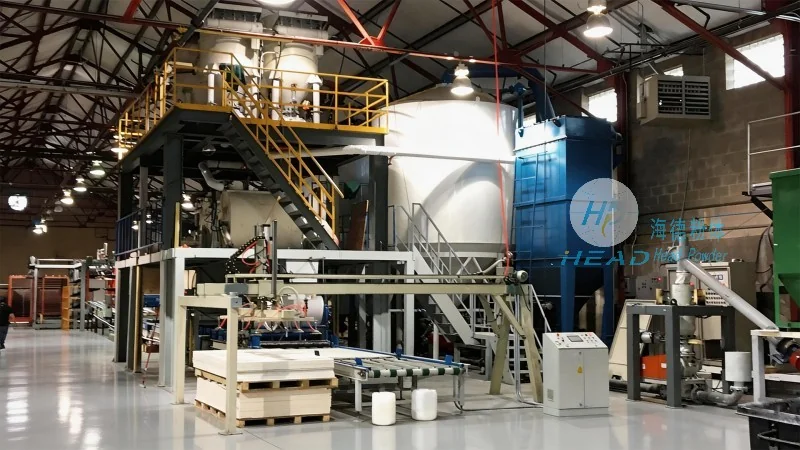
Classification of Sodium Hydroxide Pneumatic Conveying Systems
Our pneumatic conveying systems for sodium hydroxide are primarily categorized into two main types based on the pressure differential within the system: positive pressure systems and negative pressure systems. Each type has distinct characteristics and is selected based on the specific requirements of the application, including the distance of material transport, the volume of material to be handled, and the need for containment and environmental control.
Positive pressure systems operate by blowing air or other gas into the conveying line, creating a pressure higher than the ambient air pressure. This method is often preferred for long-distance or high-volume transport, as it can maintain consistent flow rates and handle abrasive or sticky materials more effectively. The positive pressure system typically includes a blower or compressor, a material feed hopper, a conveying line, and a discharge hopper. The high-pressure air propels the sodium hydroxide particles through the system, ensuring efficient movement and minimal material degradation.
Negative pressure systems, on the other hand, operate by creating a vacuum or negative pressure in the conveying line, drawing the material from the source and pulling it through the system. This approach is commonly used for short-distance transport or when the material needs to be contained within a sealed environment to prevent dust or fumes from escaping. The negative pressure system features a vacuum pump, a material feed hopper, a conveying line, and a filter or dust collector at the discharge end. The vacuum pulls the sodium hydroxide particles into the system, maintaining a clean and controlled operation.
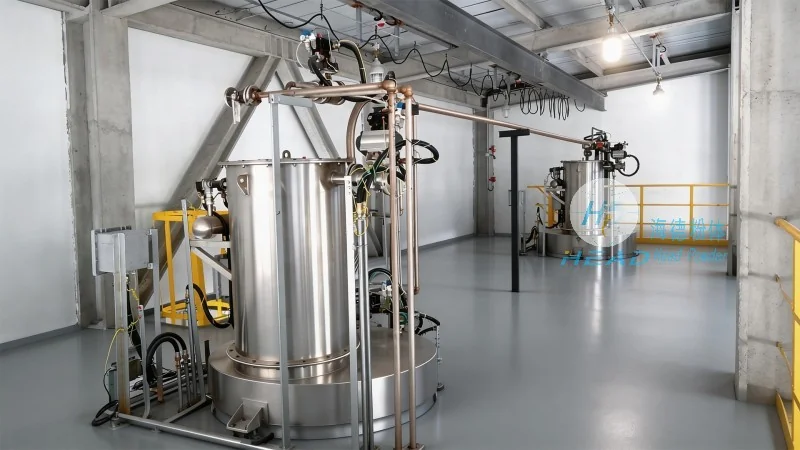
Key Components of the Sodium Hydroxide Pneumatic Conveying System
The effectiveness of a sodium hydroxide pneumatic conveying system relies on the integration of several critical components, each designed to perform a specific function and ensure the overall system operates efficiently and safely. The following are the primary components and their roles:
1. Material Feed Hopper: The feed hopper is the initial component where sodium hydroxide is loaded before being conveyed. It is typically made of corrosion-resistant materials, such as stainless steel, to withstand the caustic nature of the material. The hopper is equipped with a rotary valve or a feeder that controls the flow rate of the material into the conveying line, ensuring a consistent and controlled feed. This component is crucial for preventing material buildup and maintaining a steady flow, which is essential for the smooth operation of the system.
2. Conveying Line: The conveying line is the main pathway through which sodium hydroxide is transported. It is usually constructed from durable materials like stainless steel or high-density polyethylene (HDPE) to resist corrosion and wear. The line is designed with smooth, rounded bends and transitions to minimize friction and material degradation. The diameter and length of the conveying line are carefully selected based on the system's classification and the material's properties, ensuring optimal air-to-material ratios for efficient transport.
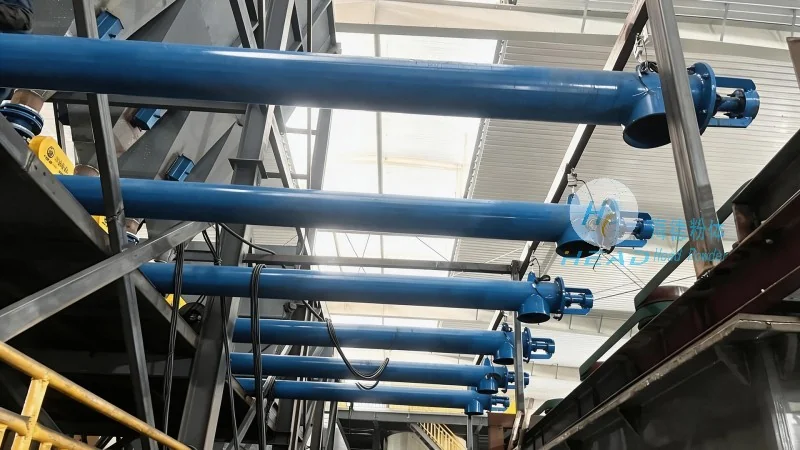
3. Air Handling Equipment: This component includes the blower or vacuum pump, which provides the necessary pressure or vacuum to move the material. For positive pressure systems, a high-pressure blower is used to generate the required airflow, while negative pressure systems utilize a vacuum pump. The air handling equipment is typically equipped with filters to remove dust and moisture from the air, ensuring that the conveyed material remains clean and free from contaminants. Additionally, the equipment is designed with safety features, such as pressure relief valves, to prevent over-pressurization or vacuum collapse.
4. Discharge Hopper and Filter System: At the end of the conveying line, the sodium hydroxide is discharged into a hopper or storage tank. The discharge hopper is equipped with a rotary valve or a feeder to control the release of the material. For negative pressure systems, a filter or dust collector is integrated into the discharge system to capture any fine particles that may escape during the conveying process. This component is essential for maintaining environmental compliance and ensuring the safety of the surrounding area by preventing dust emissions. The filter system is typically made of high-efficiency particulate air (HEPA) filters or other specialized materials to capture even the smallest particles of sodium hydroxide.
5. Control and Monitoring Systems: Modern pneumatic conveying systems for sodium hydroxide are equipped with advanced control and monitoring systems to ensure optimal performance and safety. These systems include sensors to monitor pressure, flow rate, and temperature, as well as control panels that allow operators to adjust the system parameters in real-time. The control systems can be programmed to automatically adjust the feed rate, air pressure, or vacuum level based on the material conditions, ensuring consistent and efficient operation. Additionally, the monitoring systems provide alerts for any abnormalities, such as pressure drops or material blockages, allowing for timely maintenance and preventing system downtime.




