Dolomite, a naturally occurring mineral composed primarily of calcium magnesium carbonate, is widely used in various industrial applications, including steelmaking, glass production, and chemical processing. The efficient and reliable transport of dolomite powder is crucial for maintaining production efficiency and ensuring product quality. Pneumatic conveying systems have emerged as a preferred method for handling dolomite due to their ability to transport materials in a dust-free environment, reduce material degradation, and minimize operational costs. This article provides an overview of the classification and key components of dolomite pneumatic conveying systems, highlighting the technical aspects and practical considerations for their implementation.
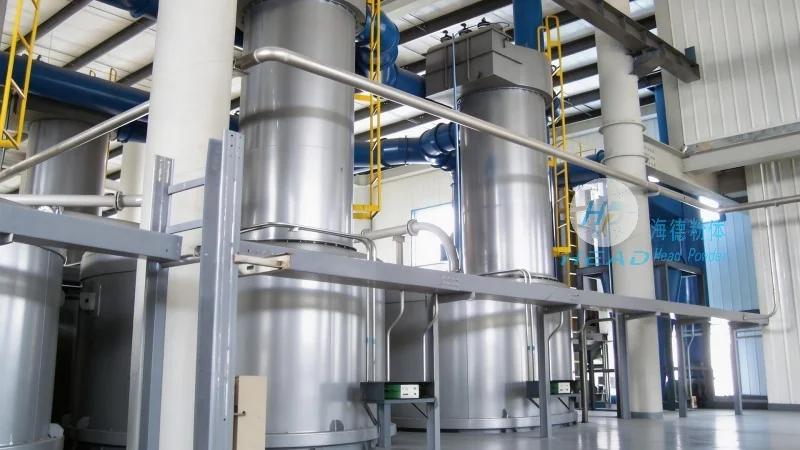
Classification of Dolomite Pneumatic Conveying Systems
Dolomite pneumatic conveying systems can be classified based on several factors, including the conveying principle, material flow characteristics, and system configuration. The primary classification is into two main categories: pressure and vacuum systems. Pressure systems use compressed air to push the material through the pipeline, while vacuum systems use a vacuum to pull the material from the source. Within these categories, further sub-classifications exist based on the specific design and operational parameters.
Pressure pneumatic conveying systems are further divided into positive displacement and dilute phase systems. Positive displacement systems use a pump or blower to create a positive pressure, ensuring a continuous flow of material. These systems are suitable for high-concentration material transport and can handle abrasive materials like dolomite without significant wear. Dilute phase pressure systems, on the other hand, operate at lower pressures and are ideal for long-distance transport, as they minimize material degradation and energy consumption. Vacuum systems, including dilute phase and dense phase designs, are commonly used for material recovery and transfer from storage silos or hoppers. The choice between pressure and vacuum systems depends on factors such as the distance to be covered, the required material flow rate, and the need for dust control.
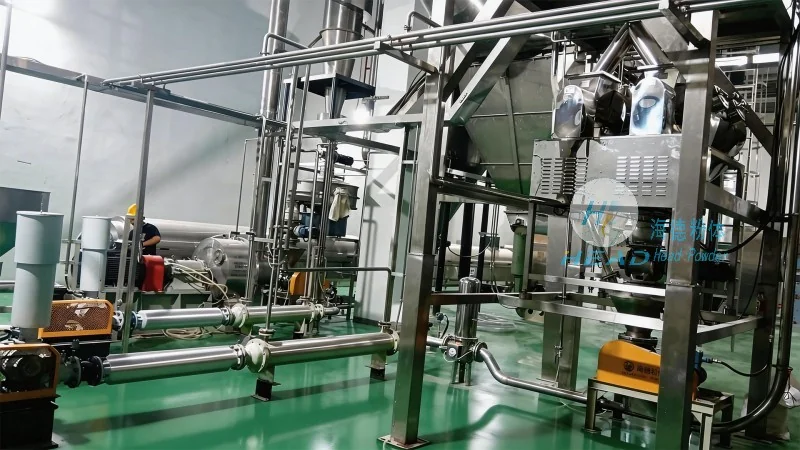
Key Components of Dolomite Pneumatic Conveying Systems
A dolomite pneumatic conveying system consists of several critical components that work in tandem to ensure efficient material transport. The primary components include the material feed system, the conveying line, the air supply unit, and the material discharge equipment. Each component plays a vital role in the overall performance and reliability of the system.
The material feed system is responsible for introducing dolomite powder into the conveying line. This component typically includes a hopper or silo equipped with a feeder, such as a rotary valve or a screw feeder, which controls the flow rate of the material. The feeder ensures a consistent and controlled feed, preventing blockages and maintaining a steady flow of material into the system. For dolomite, which can be abrasive, the feeder and hopper are often constructed from wear-resistant materials like stainless steel or lined with abrasion-resistant coatings to extend their service life.
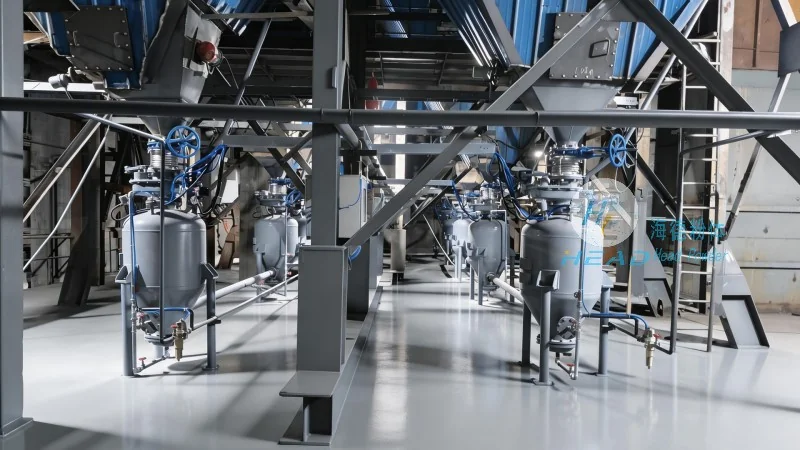
The conveying line is the main pipeline through which the dolomite and air mixture travels. The design of the pipeline, including the diameter, material, and layout, is critical for minimizing pressure drop and ensuring efficient transport. The pipeline is usually made of corrosion-resistant materials like stainless steel or PVC, which are suitable for handling dolomite and preventing material buildup. The pipeline layout should be designed to avoid sharp bends and excessive length, as these can increase pressure drop and reduce system efficiency. For long-distance transport, the use of larger diameter pipes or booster units may be necessary to maintain adequate pressure and flow rates.
The air supply unit provides the necessary pressure or vacuum to move the material through the pipeline. This component includes a blower or compressor for pressure systems and a vacuum pump for vacuum systems. The air supply unit must be capable of delivering the required air volume and pressure to maintain the desired material flow rate. For dolomite, which is a fine powder, the air supply unit should be equipped with filters to prevent dust from entering the system and to maintain air quality. The air supply unit is also responsible for controlling the air flow rate, which is adjusted based on the material feed rate and system pressure.
The material discharge equipment is used to collect the dolomite at the end of the conveying line. This component typically includes a receiver or silo, which is equipped with a discharge valve or a rotary valve to control the flow of material. The discharge equipment is designed to handle the material without causing blockages or spillage. For dolomite, which can be abrasive, the discharge valve and receiver are often constructed from wear-resistant materials to prevent damage and ensure long-term operation. The discharge equipment may also include a dust collection system to capture any airborne particles and maintain a clean working environment.
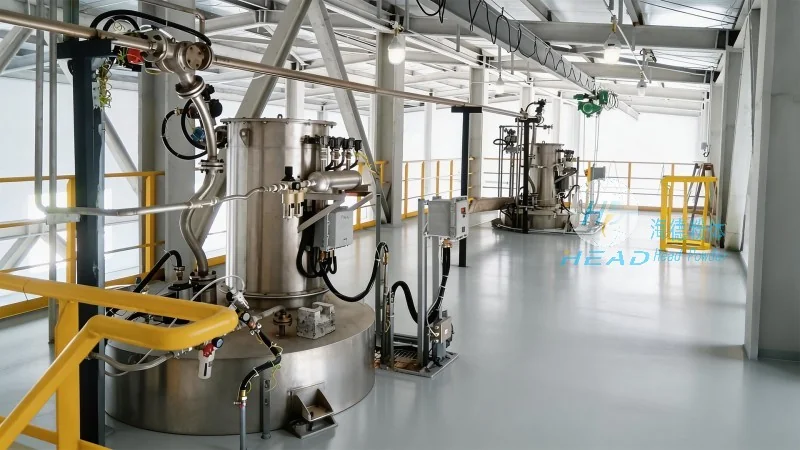
Operational Considerations for Dolomite Pneumatic Conveying Systems
The successful operation of a dolomite pneumatic conveying system requires careful consideration of several operational factors. These factors include material properties, system design, and maintenance practices. Proper understanding and management of these factors are essential for maximizing system efficiency and minimizing downtime.
Material properties, such as the particle size, density, and moisture content of dolomite, significantly impact the performance of the pneumatic conveying system. Fine particles may require higher air velocities to maintain suspension, while larger particles may need higher pressure to ensure transport. The moisture content of the material can affect the material's flowability and may lead to caking or blockages in the system. Therefore, it is essential to characterize the material properties before designing the system and to monitor them during operation to ensure optimal performance.




