

Ammonium Fertilizer Powder Pneumatic Conveying: What It Is and Its Design Principles
Ammonium fertilizer is a critical input in modern agriculture, supplying essential nitrogen to crops. The efficient and safe transportation of these fine powders is vital for maintaining production quality and operational safety. Pneumatic conveying systems have become a reliable solution for handling ammonium fertilizer powders, offering advantages such as dust control, reduced material loss, and enhanced process automation. This article explores the concept of ammonium fertilizer powder pneumatic conveying and examines the core design principles that define these systems.
Understanding Ammonium Fertilizer Powder Pneumatic Conveying
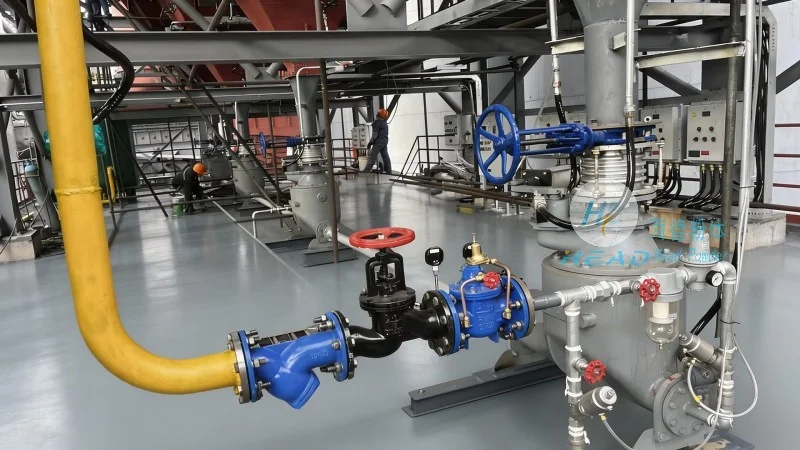
Pneumatic conveying, or air conveying, involves transporting bulk materials through a pipeline using compressed air or a vacuum. For ammonium fertilizer powders, this technology is particularly effective due to the material's fine particle size and hygroscopic nature. The process typically begins with a hopper or feeder that introduces the powder into a pipeline, where it is then carried by a stream of air. The air flow propels the powder particles through the system, delivering them to the destination—such as a storage silo or processing unit. Key components include a rotary valve, a venturi or eductor, a filter, and a receiver tank. Each component's design is critical to ensure efficient and reliable operation.
Key Design Principles for Ammonium Fertilizer Powder Pneumatic Conveying Systems
The success of an ammonium fertilizer powder pneumatic conveying system relies on several fundamental design principles. First, the system must be tailored to the specific properties of the fertilizer powder, including particle size distribution, density, and flowability. These characteristics dictate the choice between pressure or vacuum conveying and the required air velocity and pressure. For instance, fine powders with high moisture content may need higher air velocities to prevent clogging or agglomeration. Second, effective dust control measures are essential to comply with environmental regulations and ensure worker safety. This includes filters, cyclones, and dust collection systems that capture and recycle fine particles. Third, the system must optimize energy consumption while maintaining adequate conveying capacity. This involves balancing the air-to-solid ratio (gas-solid ratio) to minimize energy use without compromising flow rates. Fourth, the design must account for the corrosive and abrasive nature of ammonium fertilizers, which can cause wear on components like pipelines and valves. Materials such as stainless steel or specialized coatings are often used to extend the system's lifespan.
Components and Their Roles in the Conveying Process
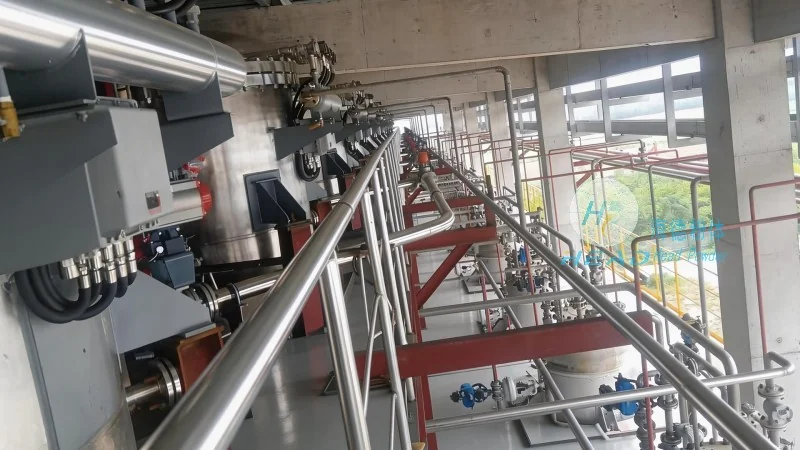
Each component in an ammonium fertilizer powder pneumatic conveying system plays a vital role in ensuring smooth operation. The feed hopper or rotary valve controls the introduction of the powder into the system, preventing blockages and maintaining a consistent flow rate. The venturi or eductor creates the necessary pressure differential by accelerating the air flow, drawing the powder particles into the pipeline. The pipeline itself must have smooth, corrosion-resistant surfaces to minimize friction and particle attrition. The filter or cyclone separates the powder from the air stream, allowing the air to be recycled or discharged while the powder is collected in a receiver tank. The receiver tank stores the conveyed fertilizer, providing a buffer between the conveying system and downstream processes. Proper sizing of these components is essential to avoid bottlenecks or excessive pressure drops that could lead to system inefficiencies.
Advantages and Considerations for Ammonium Fertilizer Powder Pneumatic Conveying
Pneumatic conveying offers several advantages for transporting ammonium fertilizer powders. These include the ability to handle fine, dusty materials without additional equipment like bucket elevators or screw conveyors. The system can be integrated with other processes, such as blending or packaging, to create a seamless production line. Additionally, pneumatic conveying systems are relatively compact, allowing for installation in confined spaces. However, there are considerations to keep in mind. The energy consumption of pneumatic systems can be higher than other conveying methods, especially for long-distance or high-capacity applications. The system must also address the potential for material buildup or clogging, which can occur with hygroscopic fertilizers. Regular maintenance, including cleaning of filters and pipelines, is essential to prevent system downtime and maintain performance.
Case Study: Application by Shandong HeadPowder Engineering Co., Ltd.
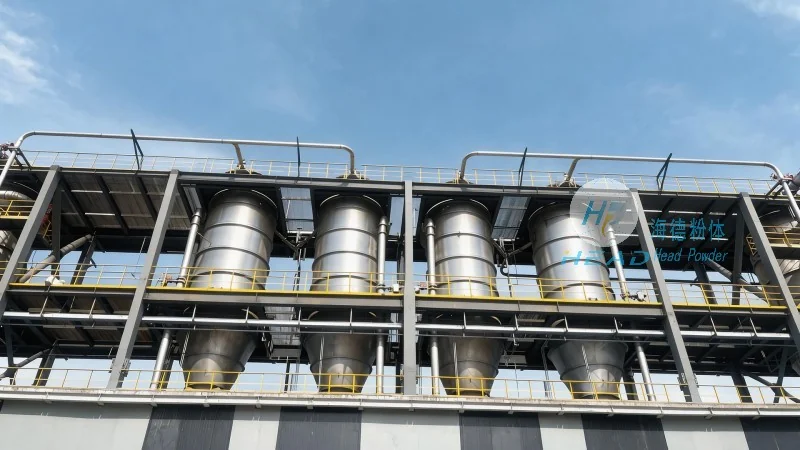
Shandong HeadPowder Engineering Co., Ltd., a leading provider of bulk material handling solutions, has extensive experience in designing and implementing ammonium fertilizer powder pneumatic conveying systems. Based in Shandong, China, the company specializes in customizing systems to meet the unique requirements of agricultural and industrial clients. For example, one of their projects involved installing a pressure pneumatic conveying system for a large fertilizer plant. The system was designed to transport ammonium nitrate powders over a distance of 500 meters, with a capacity of 20 tons per hour. The system incorporated stainless steel pipelines, a high-efficiency cyclone separator, and a rotary valve feeder. The design optimized the air-to-solid ratio to reduce energy consumption by 15% compared to traditional methods. The system has been in operation for over three years, with minimal maintenance and consistent performance, demonstrating the effectiveness of the applied design principles.
Conclusion: The Importance of Proper Design in Ammonium Fertilizer Powder Pneumatic Conveying
In conclusion, ammonium fertilizer powder pneumatic conveying is a sophisticated technology that requires careful consideration of material properties, system components, and operational efficiency. The design principles discussed—tailored system selection, effective dust control, energy optimization, and material durability—are essential for ensuring reliable and efficient operation. As the demand for high-quality fertilizers continues to grow, the importance of robust and well-designed pneumatic conveying systems will only increase. Companies like Shandong HeadPowder Engineering Co., Ltd. play a vital role in providing these solutions, helping agricultural operations maintain productivity while adhering to safety and environmental standards.