For industries dealing with biomass materials, efficient and reliable material handling is crucial. Biomass pneumatic conveying systems offer a solution that combines advanced technology with practical application, ensuring smooth and safe transport of raw materials. This article provides an overview of the classification and key components of such systems, highlighting their importance in modern industrial processes.
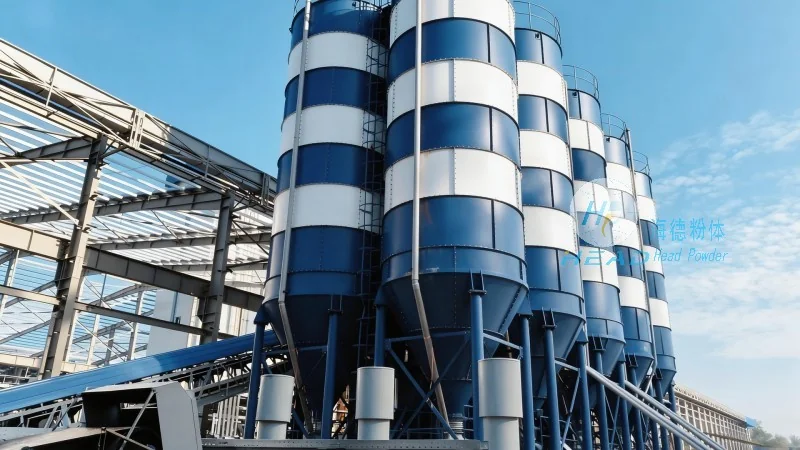
Understanding Biomass Pneumatic Conveying Systems
Biomass pneumatic conveying systems are designed to transport bulk materials like wood chips, pellets, and other organic matter using air as the conveying medium. These systems are widely used in the biomass energy sector, where the efficient movement of raw materials is essential for processing and energy production. The technology behind these systems leverages the principles of fluidization and air flow to move materials from one location to another without the need for mechanical components like belts or buckets.
Classification of Biomass Pneumatic Conveying Systems
There are primarily two main classifications of biomass pneumatic conveying systems based on the air flow direction and pressure levels: dilute-phase and dense-phase systems. Dilute-phase systems operate at low pressure and use a high volume of air to move materials, making them suitable for long-distance and high-capacity applications. Dense-phase systems, on the other hand, operate at higher pressure and use a lower volume of air, which is ideal for transporting sensitive materials that require gentle handling. Each type has its own advantages and is chosen based on the specific requirements of the biomass processing facility.
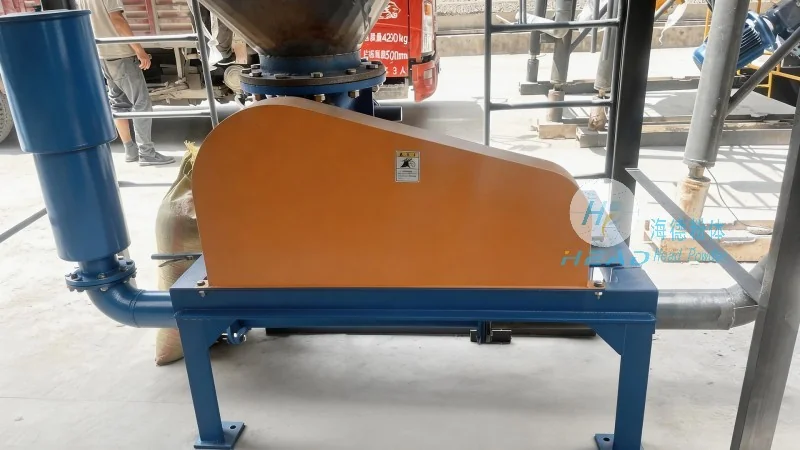
Key Components of Biomass Pneumatic Conveying Systems
The effectiveness of a biomass pneumatic conveying system depends on its key components, which work together to ensure optimal performance. The main components include the material feeder, which feeds the biomass into the system; the air compressor or blower, which generates the necessary air pressure; the conveying line, which transports the material; and the receiver or silo, where the material is deposited. Additionally, components like filters, cyclones, and control valves are essential for maintaining system efficiency and preventing material buildup or air leakage.
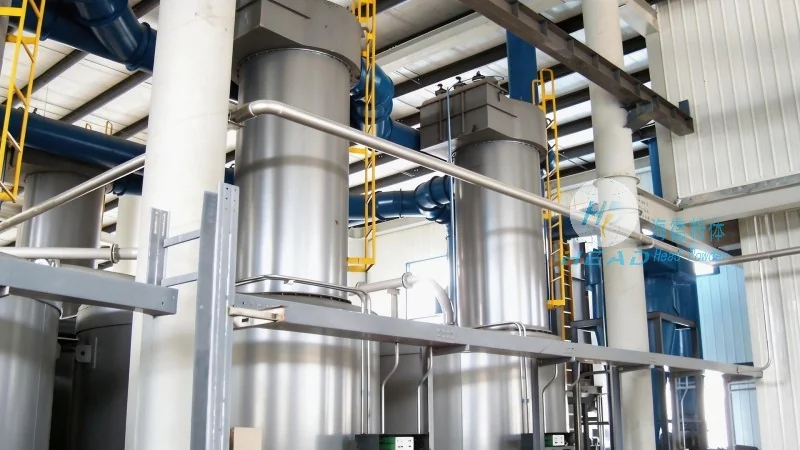
Company Overview: Shandong HeadPowder Engineering Co., Ltd.
HeadPowder, a leading manufacturer in the field of material handling solutions, specializes in designing and manufacturing high-quality biomass pneumatic conveying systems. With a strong presence in the industry, HeadPowder has established itself as a trusted partner for businesses seeking reliable and efficient material transport solutions. The company is headquartered in Shandong, China, and serves clients globally with customized systems tailored to their specific needs. HeadPowder's commitment to quality and innovation ensures that their products meet the highest standards of performance and durability.
Applications and Benefits of Biomass Pneumatic Conveying Systems
Biomass pneumatic conveying systems are used in a variety of applications, including biomass power plants, pellet mills, and biofuel production facilities. The benefits of using these systems include reduced labor costs, increased safety compared to manual handling, and improved material quality due to gentle transport. Additionally, these systems are energy-efficient and can be integrated with other processing equipment to create a seamless workflow. By choosing a well-designed pneumatic conveying system, businesses can enhance their operational efficiency and reduce downtime, leading to increased productivity and profitability.




