Classification and Composition of Dust Gas-Pneumatic Conveying Systems
Release time:2026-09-14 10:38:47
name of the company:Shandong Headpowder Engineering Co., Ltd.
telephone:156-6277-7102
contacts:Zhang manager
Understanding the classification and composition of dust gas-pneumatic conveying systems is crucial for selecting the right equipment for industrial applications. These systems are designed to transport fine powders and dust particles efficiently over long distances using air pressure or vacuum. The design and components of such systems vary based on the specific characteristics of the material being conveyed, the distance, and the required flow rate.
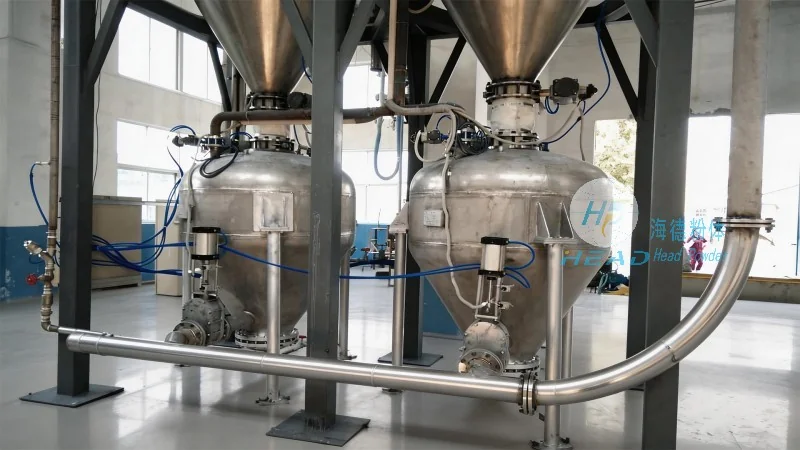
Key Classification of Dust Gas-Pneumatic Conveying Systems
Dust gas-pneumatic conveying systems can be broadly classified into several categories based on the operating principle and the method of material transport. The primary classifications include:
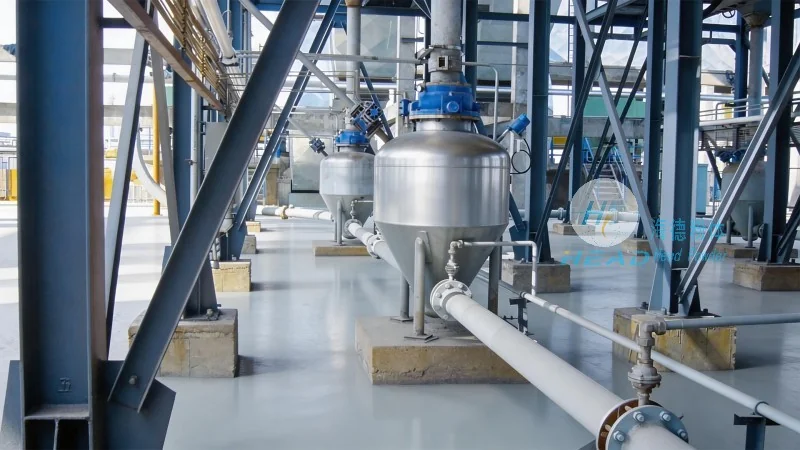
- Positive Pressure Systems: These systems use compressed air to push the material through the pipeline. They are suitable for conveying materials that are light and free-flowing, as the air pressure helps maintain the flow without clogging.
- Negative Pressure (Vacuum) Systems: In these systems, a vacuum is created at the receiving end to draw the material into the pipeline. This method is ideal for applications where the material needs to be transported from a source to a destination without exposing the material to external air, such as in food or pharmaceutical industries.
- Combined Systems: Some systems use a combination of both positive and negative pressure to optimize the conveying process. For instance, a positive pressure system may be used to transport material from the source to an intermediate point, while a negative pressure system is used to transport it from the intermediate point to the final destination.
Core Components of Dust Gas-Pneumatic Conveying Systems
The effective operation of a dust gas-pneumatic conveying system relies on several key components, each playing a critical role in the overall process. The main components include:
- Conveying Pipeline: This is the main channel through which the material is transported. The pipeline is typically made of materials like stainless steel, PVC, or polyethylene, depending on the material being conveyed and the operating conditions. The diameter and length of the pipeline are carefully selected to ensure efficient flow and minimize pressure drop.
- Feeder Unit: The feeder unit is responsible for introducing the material into the pipeline at a controlled rate. It can be a rotary valve, a star feeder, or a screw feeder, depending on the material's properties. The feeder ensures that the material is fed continuously and uniformly, preventing blockages and maintaining consistent flow rates.
- Air Supply Unit: This component provides the necessary air pressure or vacuum for the conveying process. In positive pressure systems, a blower or compressor is used to generate compressed air, while in negative pressure systems, a vacuum pump is used to create the vacuum. The air supply unit is equipped with filters and regulators to ensure clean and stable air flow.
- Control Valves and Regulators: These components are used to control the flow of air and material in the system. They include pressure regulators, flow meters, and check valves, which help maintain the desired pressure and flow rates, preventing overpressure or underpressure conditions that could damage the system or affect the material quality.
- Receiving Hopper and Discharge Unit: The receiving hopper is where the material is collected at the end of the conveying process. It is designed to handle the incoming material and prevent it from spilling or causing blockages. The discharge unit, such as a rotary valve or a star feeder, then releases the material from the hopper into the final destination, such as a storage silo or a processing unit.
Applications and Benefits of Dust Gas-Pneumatic Conveying Systems
Dust gas-pneumatic conveying systems are widely used in various industries due to their efficiency and versatility. They are particularly suitable for transporting fine powders, such as cement, flour, and chemicals, over long distances without the need for mechanical components that could cause contamination or wear. The benefits of these systems include:
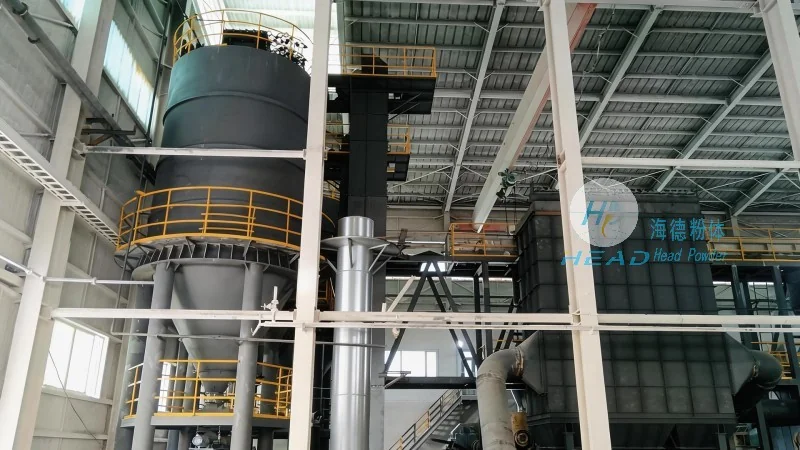
- Efficient Material Transport: These systems can transport materials over long distances with minimal energy consumption compared to other methods like belt conveyors or bucket elevators.
- Low Maintenance: Since there are no moving parts in contact with the material, the systems require less maintenance and have a longer service life.
- Reduced Contamination: The enclosed pipeline design prevents the material from coming into contact with external air or contaminants, making it suitable for applications where product purity is critical.
- Flexibility: The systems can be easily modified or expanded to accommodate changes in production requirements or material types.
About Shandong HeadPowder Engineering Co., Ltd.
Shandong HeadPowder Engineering Co., Ltd., operating under the brand name headpowder, is a leading manufacturer of dust gas-pneumatic conveying systems. With a focus on innovation and quality, the company provides customized solutions tailored to the specific needs of its clients. Headpowder's systems are designed to meet the highest industry standards and are backed by a team of experienced engineers and technicians who provide comprehensive support and maintenance services.




