

What is Fiber Reinforced Powder Pneumatic Conveying? What are the Design Principles?
Understanding fiber reinforced powder pneumatic conveying systems is crucial for industries dealing with fine or abrasive powders, especially those containing fibers or other solid particles that require efficient and reliable material handling solutions. This article delves into the core concepts of such systems, exploring their design principles and the technical aspects that make them effective in various industrial applications.
Introduction to Fiber Reinforced Powder Pneumatic Conveying
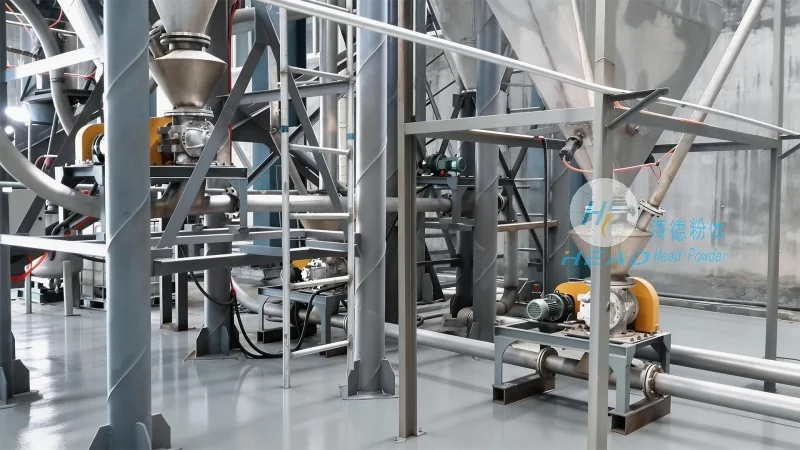
Fiber reinforced powder pneumatic conveying, also known as fiber-containing powder pneumatic transport, refers to the process of transporting dry powders that may include fibrous materials or other solid particles through a pipeline using compressed air or other gas as the conveying medium. This method is widely used in industries such as textiles, chemicals, food processing, and pharmaceuticals, where traditional mechanical conveying methods may not be suitable due to the nature of the materials being handled.
Key Design Principles of Fiber Reinforced Powder Conveying Systems
The design of a fiber reinforced powder pneumatic conveying system involves several critical principles to ensure efficient operation, minimize system wear, and maintain product integrity. These principles include selecting appropriate conveying velocities, maintaining proper gas-to-solid ratios, and employing suitable pipeline materials and configurations. The velocity of the conveying air is a key factor, as it must be high enough to overcome the resistance of the powder particles but low enough to prevent excessive wear on the system components, especially when handling abrasive or fibrous materials.
Gas-to-solid ratio is another essential design parameter. It represents the ratio of the volume of conveying air to the volume of the powder being transported. An optimal gas-to-solid ratio ensures that the powder particles are fully suspended and transported efficiently without causing blockages or excessive pressure drops in the pipeline. For fiber reinforced powders, this ratio often needs to be carefully adjusted to accommodate the increased drag and resistance caused by the fibrous components.
System Components and Their Roles
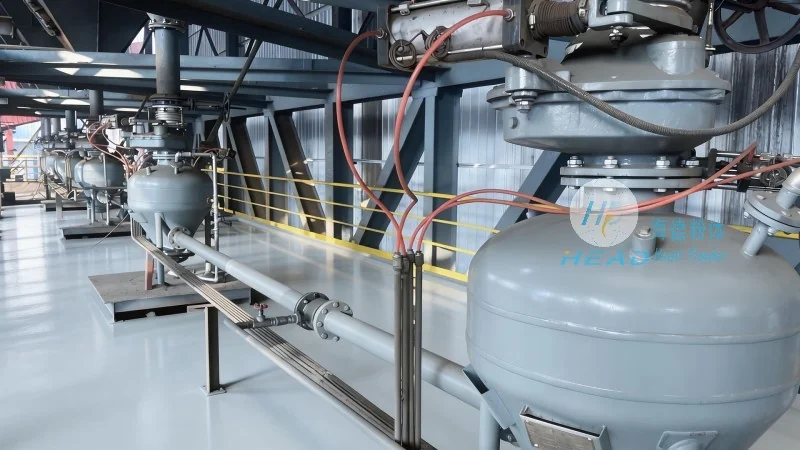
A typical fiber reinforced powder pneumatic conveying system consists of several key components, each playing a vital role in the overall operation. These components include the material feed hopper, which provides a controlled feed of the powder into the system; the air supply unit, which generates the necessary compressed air or gas; the conveying pipeline, which transports the powder; and the discharge unit, which delivers the material to its final destination. Additionally, systems may include filters, cyclones, and pressure vessels to manage dust, separate particles, and store material as needed.
The material feed hopper is designed to ensure a consistent and controlled flow of the powder into the conveying system. For fiber reinforced powders, this hopper often includes features such as agitators or vibrators to prevent material bridging or caking, which can disrupt the flow and lead to system inefficiencies. The air supply unit typically includes a compressor, air dryer, and filtration system to provide clean, dry air that is free from contaminants that could damage the system or contaminate the product.
The conveying pipeline is a critical component, as it must be constructed from materials that can withstand the abrasive nature of the fiber reinforced powders. Common materials include stainless steel, polyethylene, or other corrosion-resistant materials, depending on the specific application and the properties of the powder being handled. The pipeline design, including the diameter and length, is also optimized to minimize pressure losses and ensure efficient transport.
Advantages and Considerations in Fiber Reinforced Powder Conveying
Fiber reinforced powder pneumatic conveying systems offer several advantages over traditional mechanical conveying methods. These include the ability to handle a wide range of powder types, including those with high moisture content or abrasive properties, and the flexibility to transport materials over long distances without the need for multiple transfer points. Additionally, pneumatic conveying systems can be designed to be dust-free and enclosed, reducing the risk of environmental contamination and improving workplace safety.
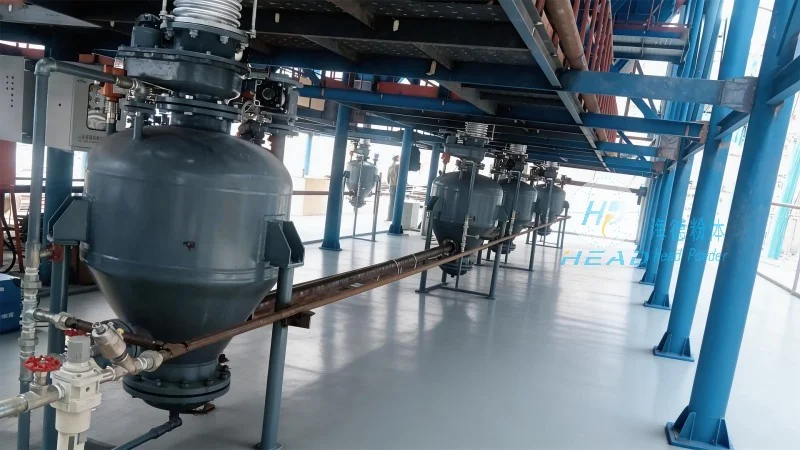
However, there are also considerations to keep in mind when designing and operating such systems. The presence of fibers can increase the risk of blockages in the pipeline, as fibers may accumulate and form agglomerates that can obstruct the flow. Therefore, regular maintenance and cleaning of the system are essential to prevent these issues. Additionally, the higher gas-to-solid ratios required for fiber reinforced powders can lead to increased energy consumption compared to systems handling non-fibrous powders.
Application Examples and Industry Use Cases
Fiber reinforced powder pneumatic conveying systems are widely used in various industries. For example, in the textile industry, these systems are used to transport fibers and other raw materials for processing into fabrics. In the chemical industry, they are employed to handle powders containing fibers or other solid particles, such as in the production of plastics or coatings. The food and pharmaceutical industries also benefit from these systems, as they allow for the safe and hygienic transport of powders that may contain fibers or other components, ensuring product quality and compliance with regulatory standards.
Conclusion and Company Overview
Fiber reinforced powder pneumatic conveying systems are sophisticated and effective solutions for handling challenging materials in industrial settings. By understanding the design principles and components involved, industries can optimize their material handling processes, improve efficiency, and maintain product integrity. Shandong HeadPowder Engineering Co., Ltd., a leading provider in this field, specializes in designing and manufacturing custom pneumatic conveying systems tailored to the specific needs of their clients. With a focus on quality, reliability, and innovation, HeadPowder offers solutions that meet the highest standards in the industry, ensuring that clients can achieve their operational goals while maintaining safety and efficiency.