Light calcium carbonate is a widely used industrial material, and its efficient transportation is crucial for production processes. Pneumatic conveying systems offer a reliable solution for handling such materials, especially in applications requiring high precision and minimal contamination. This article provides an overview of the classification and key components of light calcium carbonate pneumatic conveying systems, highlighting the technical aspects and functional elements that contribute to their effectiveness.
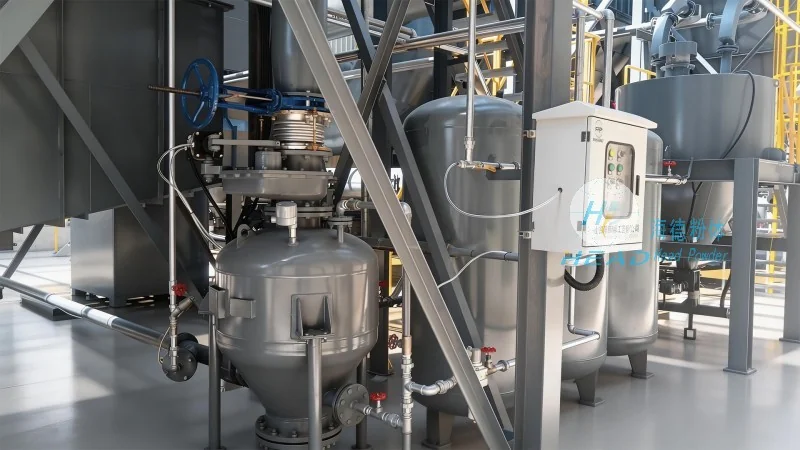
Overview of Pneumatic Conveying Systems for Light Calcium Carbonate
Pneumatic conveying systems utilize air or gas to transport bulk materials like light calcium carbonate from one location to another. These systems are designed to handle materials with specific properties, such as low density and fine particle size, which can pose challenges in traditional conveying methods. The primary goal of these systems is to ensure safe, efficient, and consistent material transfer while maintaining product quality and minimizing operational costs.
Classification of Light Calcium Carbonate Pneumatic Conveying Systems
Light calcium carbonate pneumatic conveying systems can be classified based on several factors, including the conveying principle, system design, and application requirements. The main categories include pressure and vacuum systems, as well as dilute and dense phase conveying methods. Each classification has distinct characteristics and is suitable for different operational scenarios.
Key Components of a Light Calcium Carbonate Pneumatic Conveying System
The effectiveness of a light calcium carbonate pneumatic conveying system depends on its integrated components, which work together to ensure smooth material flow and operational efficiency. The primary components include:
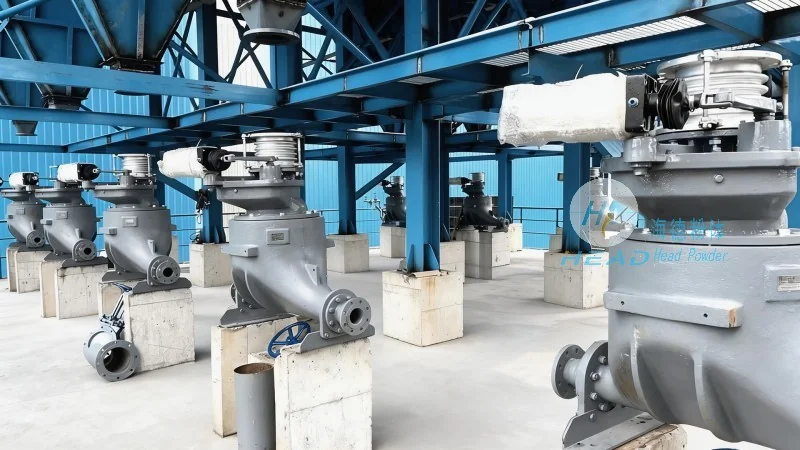
1. Material Hopper and Feeder
The material hopper serves as the storage container for light calcium carbonate, providing a consistent supply of material to the system. The feeder, typically a rotary valve or screw feeder, regulates the flow of material into the conveying line. This component is critical for maintaining a steady feed rate, preventing material buildup, and ensuring uniform material distribution.
2. Conveying Line and Tubing
The conveying line, usually made of stainless steel or other corrosion-resistant materials, is responsible for transporting the material through the system. The tubing diameter and length are carefully selected based on the material's properties and the required conveying distance. Proper design of the conveying line minimizes pressure drop and ensures efficient material transport.
3. Air Supply System
The air supply system, including a blower or compressor, generates the necessary air pressure or vacuum to move the material. The system is designed to provide consistent airflow, with appropriate filtration to remove contaminants and maintain air quality. The air supply is a critical component, as it directly impacts the conveying capacity and system performance.
4. Separation and Collection Equipment
At the receiving end of the system, separation and collection equipment is used to separate the material from the air stream. This typically includes a cyclone separator or bag filter, which captures the light calcium carbonate particles and returns them to the process. The air is then discharged or recirculated, depending on the system design. This component ensures that the material is efficiently collected and that the air is treated to meet environmental standards.
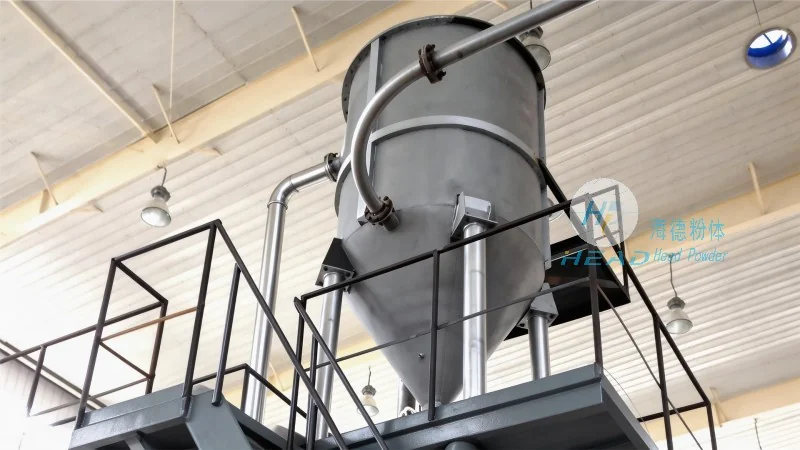
5. Control and Monitoring Systems
Modern light calcium carbonate pneumatic conveying systems incorporate control and monitoring systems to optimize performance and ensure safe operation. These systems may include sensors for pressure, flow, and level monitoring, as well as control panels for adjusting system parameters. The integration of automation and monitoring enhances system reliability, reduces downtime, and improves overall operational efficiency.
Application Considerations for Light Calcium Carbonate Pneumatic Conveying
The selection of a light calcium carbonate pneumatic conveying system depends on various factors, including the material's characteristics, conveying distance, and production requirements. For example, dilute phase systems are suitable for short distances and low material loads, while dense phase systems are preferred for longer distances and higher material loads. The choice of system also considers factors such as material moisture content, particle size distribution, and the need for minimal product degradation.
Conclusion
Light calcium carbonate pneumatic conveying systems are essential for efficient material handling in industrial applications. By understanding the classification and key components of these systems, manufacturers can select the most appropriate solution for their specific needs. The integration of advanced components and control systems ensures that these systems operate reliably, maintain product quality, and contribute to overall production efficiency. As a leading provider in the industry, Shandong HeadPowder Engineering Co., Ltd. specializes in designing and manufacturing customized pneumatic conveying solutions tailored to the unique requirements of light calcium carbonate processing.




