Classification and Composition of Bauxite Pneumatic Conveying Systems
Release time:2026-09-14 10:38:53
name of the company:Shandong Headpowder Engineering Co., Ltd.
telephone:156-6277-7102
contacts:Zhang manager
Bauxite, a primary ore of aluminum, is widely used in the production of aluminum metal and various aluminum-based products. The efficient and reliable transportation of bauxite from mining sites to processing facilities is crucial for industrial operations. Pneumatic conveying systems have emerged as a key technology for handling bauxite, offering advantages such as low maintenance, flexibility, and the ability to transport materials over long distances without the need for complex infrastructure. This article provides an overview of the classification and fundamental components of bauxite pneumatic conveying systems, tailored for industrial applications.
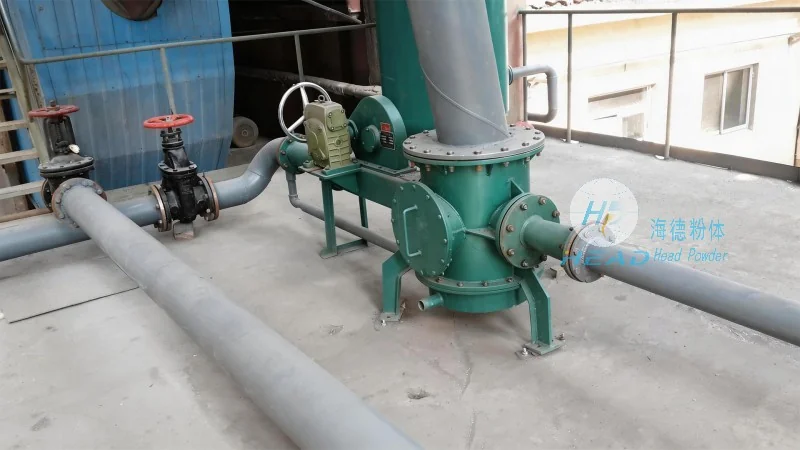
Classification of Bauxite Pneumatic Conveying Systems
Bauxite pneumatic conveying systems can be categorized based on several key factors, including the pressure of the conveying medium, the type of material flow, and the system design. The primary classifications include:
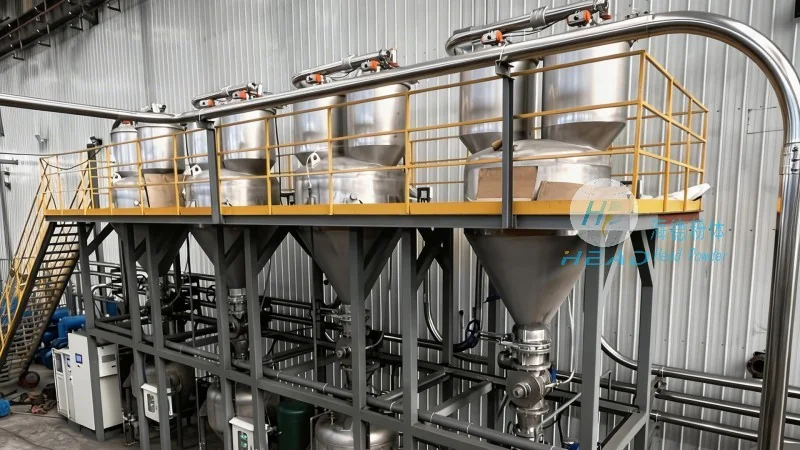
- Positive Pressure Systems: These systems use compressed air to push the bauxite material through the pipeline. The air is introduced at the inlet, creating a positive pressure that propels the material forward. Positive pressure systems are suitable for short to medium distances and can handle a wide range of bauxite particle sizes.
- Negative Pressure (Vacuum) Systems: In contrast, negative pressure systems use a vacuum to draw the bauxite material into the pipeline. The vacuum is created by a fan or blower at the discharge end, pulling the material from the source. These systems are ideal for applications requiring material to be transported from multiple points or over longer distances, as the vacuum can maintain a consistent flow.
- Combined Pressure and Vacuum Systems: Some systems employ a combination of both positive and negative pressure principles. This hybrid approach allows for more complex material handling, such as transporting bauxite from multiple sources to a central processing plant, by using positive pressure at the source and negative pressure at the discharge.
Key Components of Bauxite Pneumatic Conveying Systems
Regardless of the classification, bauxite pneumatic conveying systems consist of several critical components that work together to ensure efficient operation. The main components include:
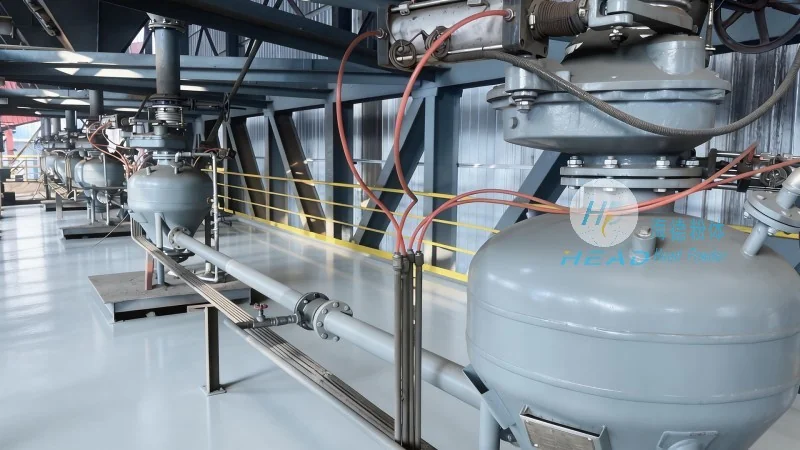
- Feed Hopper and Feeder: The feed hopper stores the bauxite material and feeds it into the system at a controlled rate. The feeder, often a rotary valve or screw feeder, regulates the flow of material into the pipeline, preventing blockages and ensuring consistent conveying.
- Pipeline and Fittings: The pipeline is the main conduit for transporting bauxite, typically made of materials such as stainless steel or PVC to withstand the abrasive nature of the ore. Fittings, including elbows, tees, and reducers, are used to direct the flow and change the direction of the material within the system.
- Conveying Medium (Air or Gas): The medium used to transport the bauxite is typically compressed air or a mixture of air and inert gases. The pressure and flow rate of the medium are critical factors in determining the system's capacity and efficiency.
- Blowers or Fans: These devices generate the necessary pressure or vacuum to move the bauxite through the pipeline. Positive pressure systems use high-pressure blowers, while negative pressure systems rely on vacuum fans. The selection of the blower/fan depends on the system's classification and the required conveying capacity.
- Separation and Collection Equipment: At the discharge end, the bauxite is separated from the conveying medium. This is typically achieved using cyclones or filters, which collect the material and return the air to the system for reuse. Proper separation is essential to maintain system efficiency and prevent material loss.
- Control and Monitoring Systems: Modern bauxite pneumatic conveying systems are equipped with control panels and monitoring devices to regulate the flow, pressure, and temperature. These systems ensure safe and efficient operation, allowing operators to adjust parameters in real-time based on system performance.
Application Considerations for Bauxite Pneumatic Conveying
The selection of a bauxite pneumatic conveying system depends on several factors, including the characteristics of the bauxite ore, the distance to be covered, and the required throughput. For example, fine-grained bauxite may require a different system design compared to coarser ore, as the particle size affects the flow characteristics and system pressure requirements. Additionally, the system must be designed to handle the abrasive nature of bauxite, which can cause wear on components over time. Regular maintenance and replacement of wear parts are essential to ensure long-term system reliability.
Conclusion
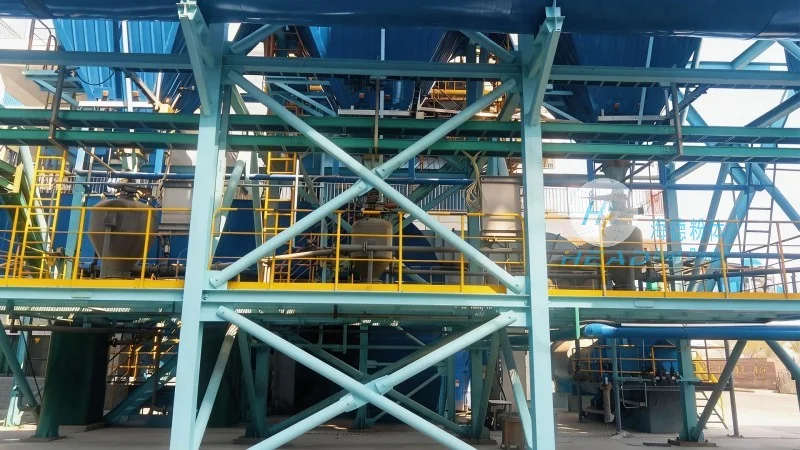
Bauxite pneumatic conveying systems are a vital component of aluminum production facilities, enabling the efficient transport of bauxite from mining sites to processing plants. By understanding the classification and key components of these systems, industrial operators can select the most appropriate technology for their specific needs, ensuring optimal performance and cost-effectiveness. As a leading provider of engineering solutions, Shandong HeadPowder Engineering Co., Ltd. specializes in designing and manufacturing customized bauxite pneumatic conveying systems tailored to the unique requirements of each project. With a focus on quality and reliability, HeadPowder delivers solutions that enhance operational efficiency and support sustainable industrial practices.




