Classification and Composition of Dry Material Pneumatic Conveying Systems
Release time:2026-09-14 10:38:47
name of the company:Shandong Headpowder Engineering Co., Ltd.
telephone:156-6277-7102
contacts:Zhang manager
Understanding the classification and composition of dry material pneumatic conveying systems is crucial for selecting the right equipment for various industrial applications. These systems are designed to transport dry bulk materials through a pipeline using air or other gas as the conveying medium. The efficiency and reliability of such systems depend on their proper classification and the components that make up the overall system.
Types of Dry Material Pneumatic Conveying Systems
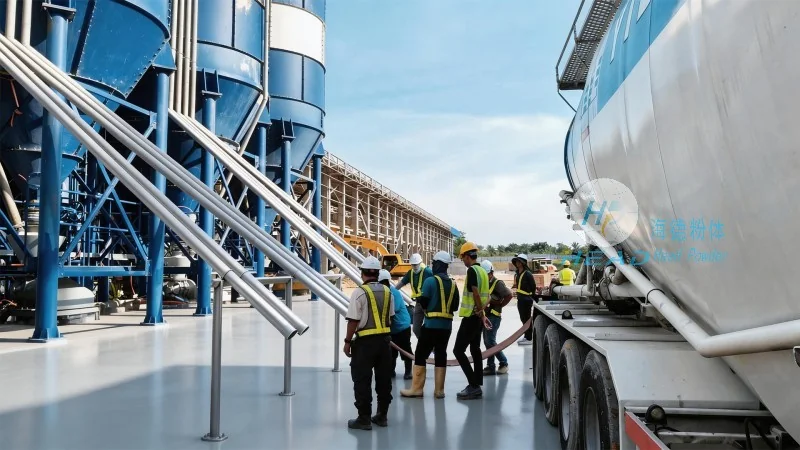
Dry material pneumatic conveying systems can be broadly classified into several categories based on the method of air flow and the pressure used. The primary classifications include:
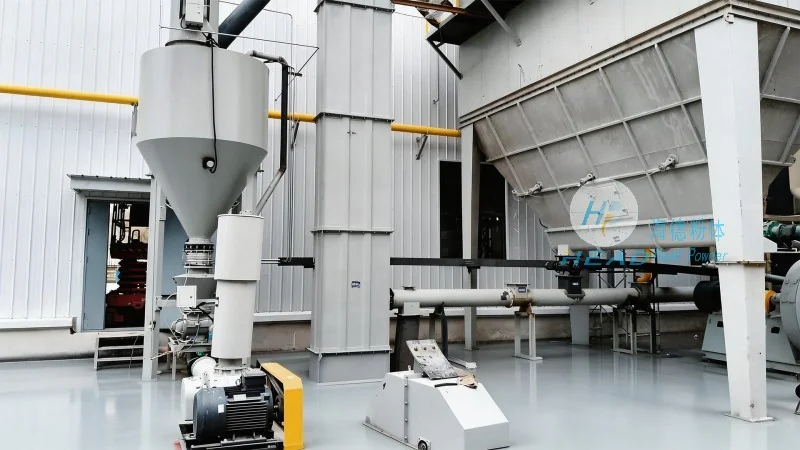
- Positive Pressure Systems: In these systems, air is supplied under pressure to the material to be conveyed. The material is drawn into the pipeline by the moving air, which then transports it to the destination. This type is commonly used for short to medium distance applications and is suitable for materials that are not highly abrasive or corrosive.
- Negative Pressure (Vacuum) Systems: Here, the conveying air is drawn from the pipeline using a vacuum pump. The material is sucked into the pipeline and transported to the receiver. Negative pressure systems are ideal for applications requiring dust collection or when the material needs to be transported from multiple sources to a single destination.
- Combined Pressure-Vacuum Systems: These systems combine elements of both positive and negative pressure systems. They are used for more complex conveying tasks, such as transporting materials over longer distances or handling materials with varying properties.
Key Components of a Dry Material Pneumatic Conveying System
Regardless of the classification, a typical dry material pneumatic conveying system consists of several essential components that work together to ensure efficient material transport. The main components include:
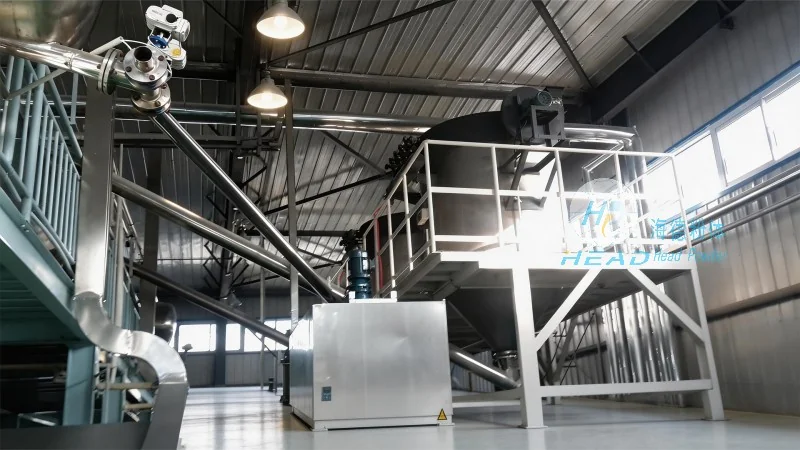
- Feeder: The feeder is responsible for feeding the dry material into the conveying system at a controlled rate. It ensures a consistent flow of material into the pipeline, preventing blockages and maintaining system efficiency. Common types of feeders include screw feeders, rotary valves, and vibratory feeders.
- Conveying Pipeline: The pipeline is the main channel through which the material and air travel. It is typically made of materials like stainless steel, carbon steel, or plastic, depending on the material being conveyed and the operating conditions. The pipeline must be designed to withstand the pressure and temperature of the conveying medium and the material being transported.
- Air Supply Unit: This component provides the necessary air or gas to power the conveying system. It includes a blower or compressor, which generates the required pressure or vacuum. The air supply unit may also include filters and moisture separators to ensure the air is clean and free from contaminants that could affect the material or the system components.
- Control Valves and Manifolds: These components are used to regulate the flow of air and material within the system. They include valves such as check valves, control valves, and flow meters, which help in controlling the pressure, flow rate, and direction of the conveying medium. Manifolds are used to connect multiple pipelines or components, allowing for flexibility in system design.
- Receiver: The receiver is the final component of the system where the conveyed material is deposited. It is designed to collect the material and may include features like hoppers, silos, or storage tanks. The receiver is typically equipped with dust collection systems to prevent material loss and maintain a clean environment.
- Dust Collection System: For systems that use negative pressure or where dust is a concern, a dust collection system is essential. This system includes filters, fans, and collection containers to capture and remove dust particles from the air, ensuring compliance with environmental regulations and maintaining a safe working environment.
Applications and Benefits of Dry Material Pneumatic Conveying Systems
Dry material pneumatic conveying systems are widely used in various industries, including food processing, pharmaceuticals, chemicals, and mining. The benefits of using such systems include:
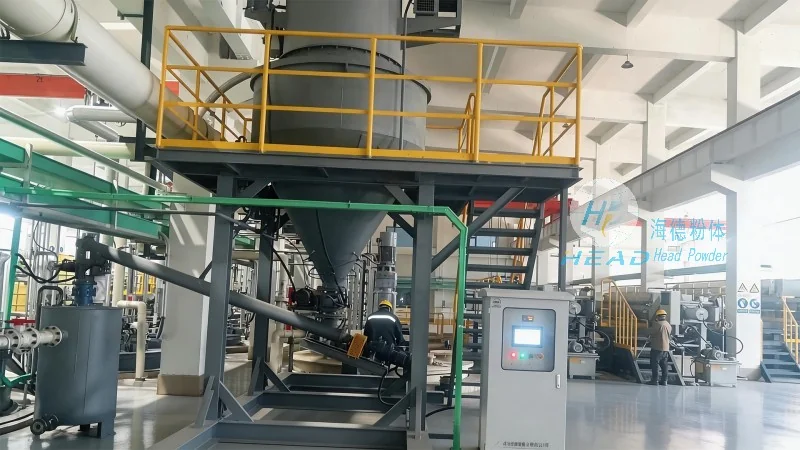
- Efficient Material Transport: These systems can transport dry materials over long distances with minimal loss and high efficiency, reducing the need for manual handling and improving overall productivity.
- Low Maintenance: Compared to mechanical conveying systems, pneumatic systems have fewer moving parts, leading to lower maintenance costs and longer service life.
- Flexibility: Pneumatic systems can be easily modified or expanded to accommodate changes in production requirements or material types.
- Hygienic and Clean: For industries like food and pharmaceuticals, pneumatic systems can be designed to meet strict hygiene standards, preventing contamination and ensuring product quality.
Conclusion
Choosing the right classification and understanding the composition of a dry material pneumatic conveying system is essential for optimizing material transport in industrial settings. By selecting the appropriate system based on the material properties, conveying distance, and operational requirements, industries can achieve efficient, reliable, and cost-effective material handling solutions. Shandong HeadPowder Engineering Co., Ltd. specializes in the design, manufacturing, and installation of high-quality dry material pneumatic conveying systems, providing tailored solutions to meet the diverse needs of various industries.




