Hybrid material conveying lines represent a sophisticated approach to material handling, integrating multiple technologies to optimize efficiency and versatility in industrial applications. These systems are designed to handle a wide range of materials, from bulk powders to granules, by combining different conveying methods such as pneumatic, mechanical, and gravitational systems. The result is a flexible and robust solution that adapts to varying production demands and material characteristics.
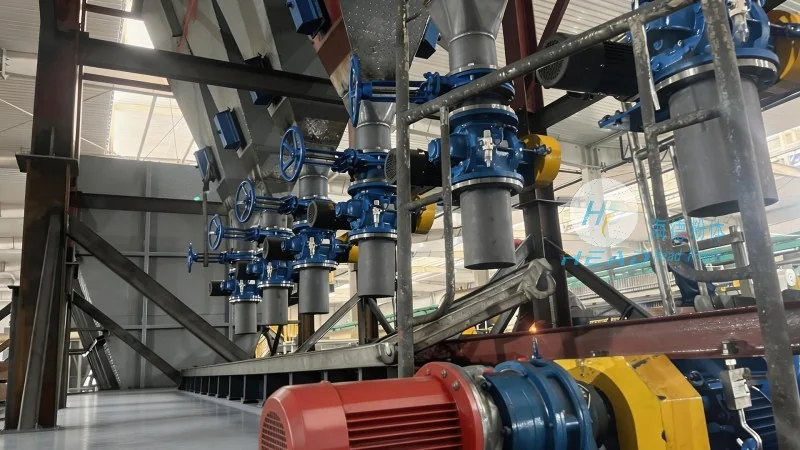
Key Components and Working Principle
The core of a hybrid material conveying line consists of several interconnected components, each playing a critical role in the overall operation. The system typically includes a material inlet, where raw materials are fed into the line, followed by a series of conveying sections. These sections may incorporate pneumatic ducts for transporting fine powders, mechanical screw conveyors for bulk materials, and gravitational chutes for lighter or granular items. The integration of these components allows for seamless transitions between different material states and handling requirements. The control system, often managed by a programmable logic controller (PLC), coordinates the operation of each component, ensuring smooth and synchronized movement of materials through the line.
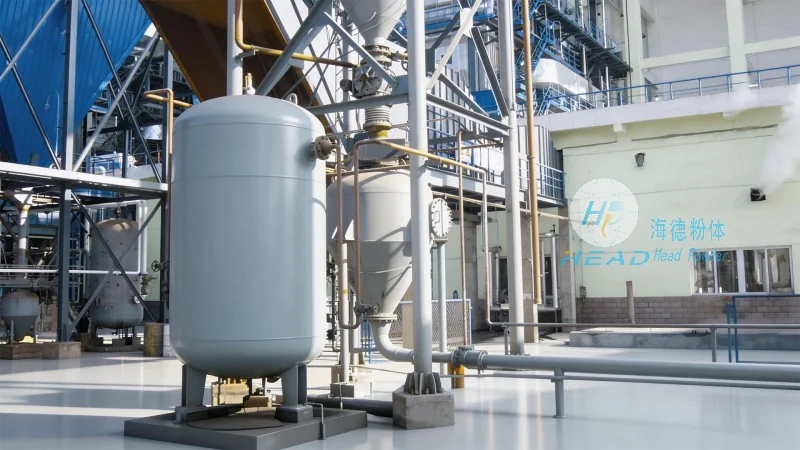
Operation Process: Step-by-Step Overview
The operation of a hybrid material conveying line follows a systematic process, starting with material intake and ending with delivery to the processing or storage area. First, materials are introduced into the system via a hopper or feeder, which regulates the flow rate to prevent overloading or blockages. The materials then enter the initial conveying section, which may be a pneumatic duct for powders, where air pressure propels the material forward. In subsequent sections, mechanical conveyors or gravitational chutes take over, depending on the material's properties. For example, if the material is a bulk granule, a screw conveyor may transport it through a horizontal or inclined path. The system continuously monitors the flow and pressure, adjusting parameters as needed to maintain optimal performance. At the end of the line, the material is discharged into a storage bin or directly into the next production step, completing the cycle.
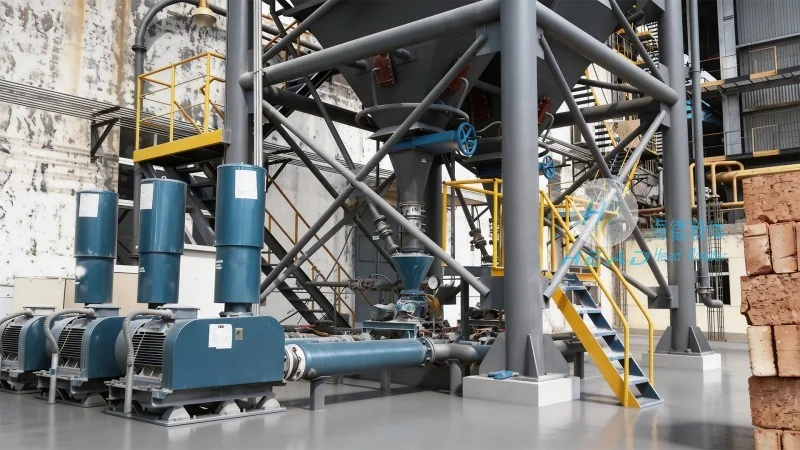
Advantages and Applications
Hybrid material conveying lines offer several advantages over traditional single-method systems. Their flexibility allows them to handle diverse materials, reducing the need for multiple separate lines. This not only saves space but also lowers operational costs. The integrated control system enhances reliability and reduces downtime, as any issues can be quickly identified and addressed. These systems are widely used in industries such as pharmaceuticals, food processing, chemicals, and mining, where the handling of various materials is essential. For instance, in a pharmaceutical plant, a hybrid line might transport fine powders for drug formulation while simultaneously handling bulk raw materials for packaging. In a food processing facility, it could convey flour and sugar while managing granular spices, ensuring consistent quality and efficiency.
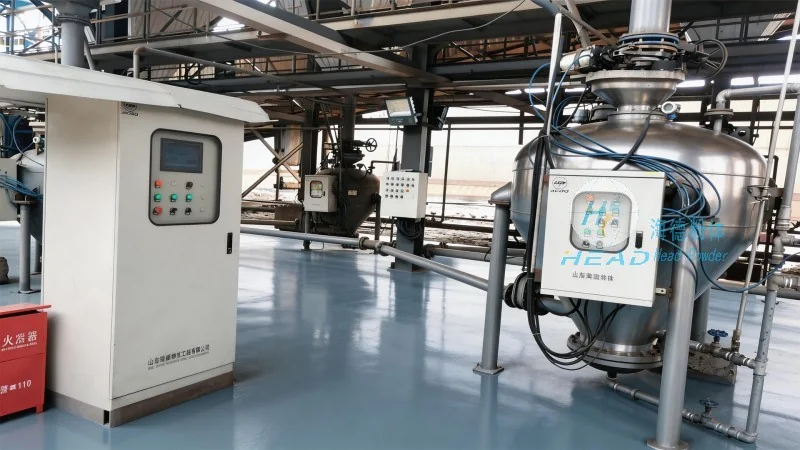
Company Profile: Shandong HeadPowder Engineering Co., Ltd.
Shandong HeadPowder Engineering Co., Ltd., commonly known as HeadPowder, is a leading manufacturer specializing in the design, development, and installation of advanced material handling systems. With a strong presence in China, particularly in Shandong, the company has built a reputation for delivering high-quality, customized solutions tailored to the specific needs of its clients. HeadPowder's expertise lies in integrating cutting-edge technologies to create hybrid systems that meet the demanding requirements of modern industrial operations. The company's commitment to innovation and customer satisfaction has made it a trusted partner for businesses seeking efficient and reliable material conveying solutions.




