Sediment transport is a critical process in various industries, including construction, environmental management, and water resource development. The efficient movement of sediment, whether it's sand, silt, or other particulate materials, requires careful consideration of the available methods and technologies. Understanding the different approaches to sediment transport can help professionals in these fields make informed decisions to ensure project success and environmental compliance. In this article, we will explore the primary methods used for sediment transport, highlighting the key factors that influence the selection of each approach.
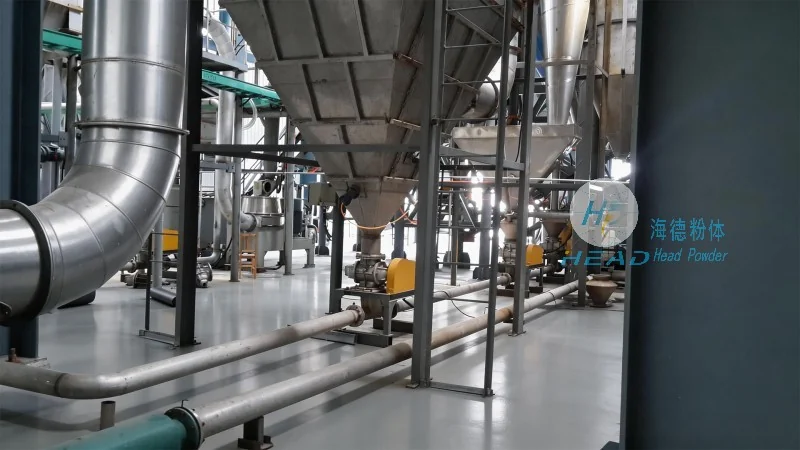
Overview of Sediment Transport Methods
Sediment transport can be broadly categorized into several methods, each with its own advantages and limitations. The choice of method depends on factors such as the type and size of sediment, the distance to be transported, the available infrastructure, and the environmental constraints of the project site. The main methods include hydraulic transport, mechanical transport, and gravity-based systems. Each of these approaches has been refined over time to meet the specific needs of different applications.
Hydraulic Transport Methods
Hydraulic transport involves the use of water to move sediment through pipelines or open channels. This method is widely used in both large-scale and small-scale projects due to its ability to handle a wide range of sediment sizes and concentrations. One of the most common hydraulic transport methods is the use of pumps, which can be either centrifugal or positive displacement types. Centrifugal pumps are often preferred for their efficiency and ability to handle high volumes of water and sediment mixtures. Positive displacement pumps, on the other hand, are better suited for transporting more viscous or high-concentration slurries. The selection of the pump type is crucial as it directly impacts the energy consumption and operational costs of the transport system.
In addition to pumps, hydraulic transport can also utilize gravity-fed systems, where the natural slope of the terrain is used to move sediment from higher to lower elevations. This method is particularly effective in areas with significant topographical gradients and can reduce the need for additional energy input. However, the effectiveness of gravity-based hydraulic transport is highly dependent on the slope and the characteristics of the sediment being moved. For instance, fine-grained sediments may require a steeper slope to maintain flow, while coarser materials can be transported with a gentler gradient.
Mechanical Transport Methods
Mechanical transport methods rely on machinery to move sediment, often in the form of bulk material handling systems. These methods are commonly used in construction sites and mining operations where large volumes of sediment need to be moved over short distances. One of the most prevalent mechanical transport methods is the use of conveyor belts, which can be either belt conveyors or bucket elevators. Belt conveyors are ideal for transporting loose materials like sand and gravel over long distances with minimal maintenance. Bucket elevators, on the other hand, are used for vertical transport of bulk materials, making them suitable for projects where elevation changes are required.
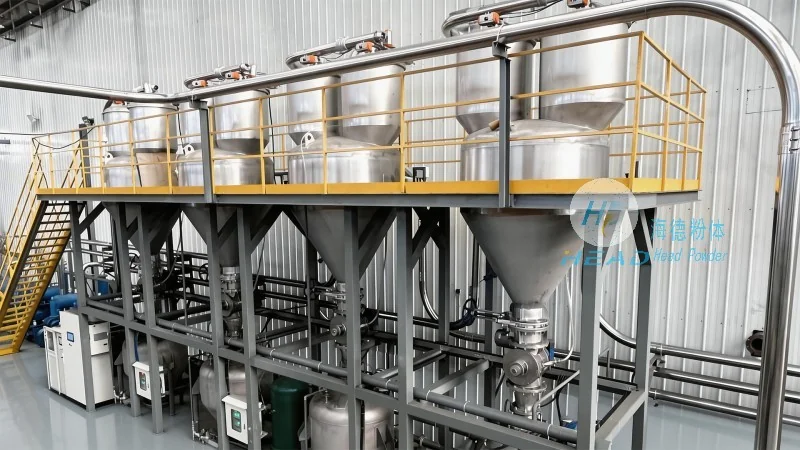
Another mechanical transport method is the use of loaders and excavators, which are often used in conjunction with trucks or barges to move sediment from one location to another. This approach is particularly effective for on-site transport, where the sediment needs to be moved from a stockpile to a processing facility or disposal site. The efficiency of mechanical transport is largely determined by the type of equipment used and the operational procedures followed. Proper maintenance of the machinery is essential to ensure consistent performance and minimize downtime.
Gravity-Based Transport Systems
Gravity-based transport systems utilize the force of gravity to move sediment without the need for external energy sources. This method is particularly advantageous in areas with steep slopes or where the terrain is unsuitable for other transport methods. One common application of gravity-based transport is the use of flumes or chutes, which are designed to channel sediment from a higher elevation to a lower one. The design of these systems must consider the velocity and flow rate of the sediment to prevent erosion or blockage of the channel.
Another gravity-based method is the use of sediment basins or settling ponds, which allow sediment to settle out of the water through natural gravity. This approach is often used in environmental remediation projects where the goal is to remove suspended solids from water bodies. The effectiveness of sediment basins depends on factors such as the size of the basin, the flow rate of the water, and the characteristics of the sediment. Proper design and maintenance of these systems are critical to ensure optimal performance and compliance with regulatory standards.
Factors Influencing the Selection of Sediment Transport Methods
The choice of sediment transport method is influenced by a variety of factors, including the physical properties of the sediment, the distance to be transported, the available infrastructure, and the environmental impact. The type of sediment, such as sand, silt, or clay, affects the choice of method as different materials have different flow characteristics. For example, fine-grained sediments may require more energy to transport compared to coarser materials. The distance to be transported also plays a significant role, as longer distances may necessitate more energy-intensive methods like pumping, while shorter distances can be handled by gravity or mechanical means.
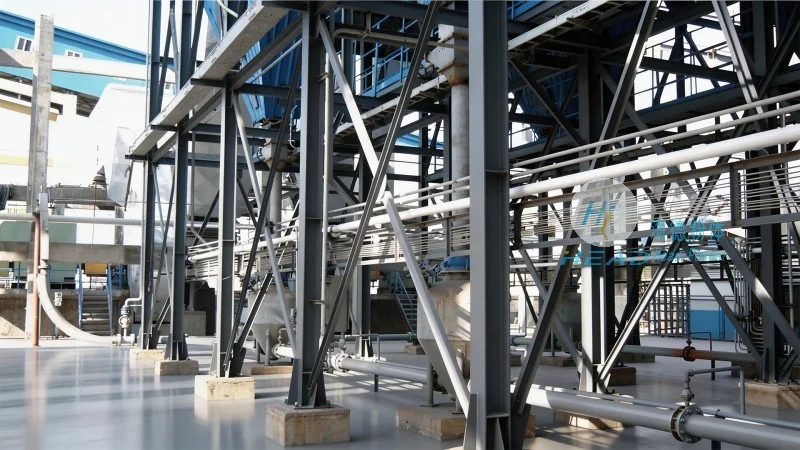
Infrastructure availability is another key factor. In areas with existing pipelines or waterways, hydraulic transport may be the most feasible option. Conversely, in remote or undeveloped areas, mechanical transport or gravity-based systems may be more practical. Environmental considerations, such as the need to minimize disturbance to the surrounding ecosystem, can also influence the selection of a transport method. For instance, hydraulic transport may be preferred in sensitive environments to avoid the need for heavy machinery and reduce noise pollution.
Applications and Case Studies
Sediment transport methods are applied in a wide range of industries and projects. In construction, for example, hydraulic transport is commonly used to move sand and gravel for concrete production or road construction. Mechanical transport, particularly conveyor belts, is used in mining operations to transport ore and waste materials. Environmental projects often utilize gravity-based systems like sediment basins to treat water from a contaminated river, successfully removing over 90% of the suspended solids and restoring the water quality. Each application requires careful planning and execution to ensure that the chosen method is both effective and sustainable.
Case studies from various projects highlight the importance of selecting the appropriate sediment transport method. For instance, a large-scale dam construction project in China utilized a combination of hydraulic and mechanical transport methods to move millions of cubic meters of sediment. The hydraulic system was used to transport fine-grained sediments over long distances, while mechanical conveyors were employed for coarser materials. This integrated approach ensured that the project was completed on time and within budget. Similarly, an environmental remediation project in the United States used gravity-based sediment basins to treat water from a contaminated river, successfully removing over 90% of the suspended solids and restoring the water quality.
Conclusion
In conclusion, sediment transport is a complex process that requires careful consideration of the available methods and technologies. The choice of method depends on a variety of factors, including the type of sediment, the distance to be transported, and the environmental constraints. Hydraulic transport, mechanical transport, and gravity-based systems each offer unique advantages and limitations, and the selection of the most appropriate method is critical to project success. By understanding the different approaches to sediment transport and the factors that influence their selection, professionals in the industry can make informed decisions that optimize efficiency, reduce costs, and minimize environmental impact.




