When it comes to transporting soybean meal, selecting the right conveying method is crucial for efficiency, cost-effectiveness, and product integrity. Various options are available, each with its own advantages and applications. This article explores common soybean meal conveying methods, with a focus on pneumatic conveying systems as a key solution.
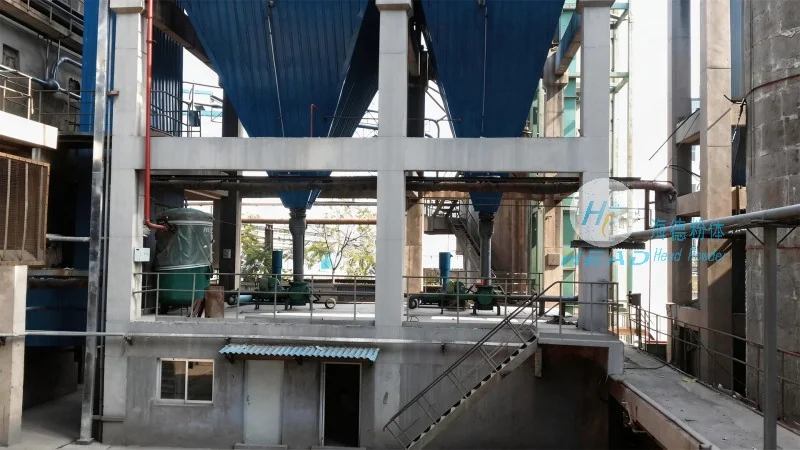
Pneumatic Conveying Systems: A Detailed Overview
Pneumatic conveying, also known as air conveying, is a widely used method for transporting bulk materials like soybean meal. It involves using air pressure or vacuum to move material through a pipeline. There are two main types: pressure and vacuum systems. Pressure systems use compressed air to push material forward, while vacuum systems use a vacuum to pull material. Both types can be further categorized into dilute-phase and dense-phase systems, offering flexibility based on the material's properties and the distance to be covered.
Advantages of Pneumatic Conveying for Soybean Meal
For soybean meal, pneumatic conveying offers several benefits. It is a closed system, which helps maintain product cleanliness and prevents contamination from external elements. This is particularly important for food-grade products like soybean meal, where hygiene standards are critical. Additionally, pneumatic systems can handle a wide range of material flow rates and can be easily integrated into existing production lines. They also reduce labor costs by automating the material transport process, minimizing the need for manual handling.
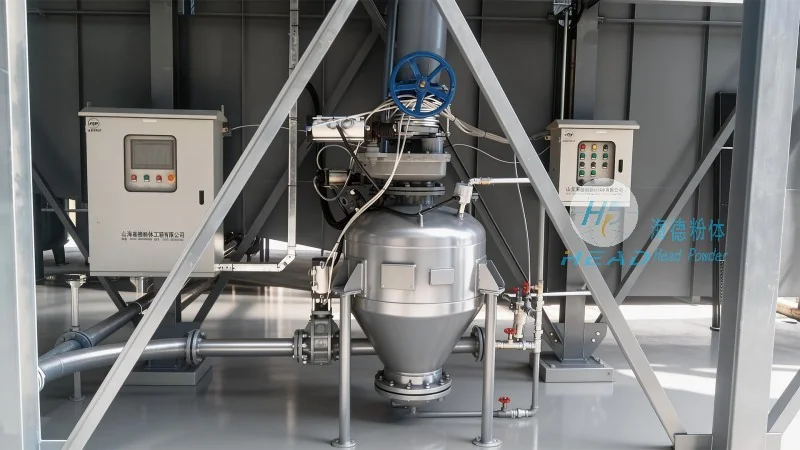
Components of a Pneumatic Conveying System
A typical pneumatic conveying system includes several key components. These are the material feed hopper, which holds the soybean meal and feeds it into the system; the conveyor line, which is the pipeline through which the material travels; the air compressor or vacuum pump, which provides the necessary pressure or vacuum; and the control system, which regulates the flow and pressure. Other components may include filters, cyclones, and silos, depending on the specific application and system design.
Application Examples in Soybean Processing
Pneumatic conveying is commonly used in soybean processing facilities for various stages. For instance, after crushing and solvent extraction, soybean meal is often conveyed from the extraction plant to storage silos or to downstream processing units like pelleting or grinding. The closed system ensures that the meal remains free from dust and moisture, which can affect its quality and shelf life. In addition, the system can handle large volumes of material efficiently, making it suitable for high-throughput processing plants.
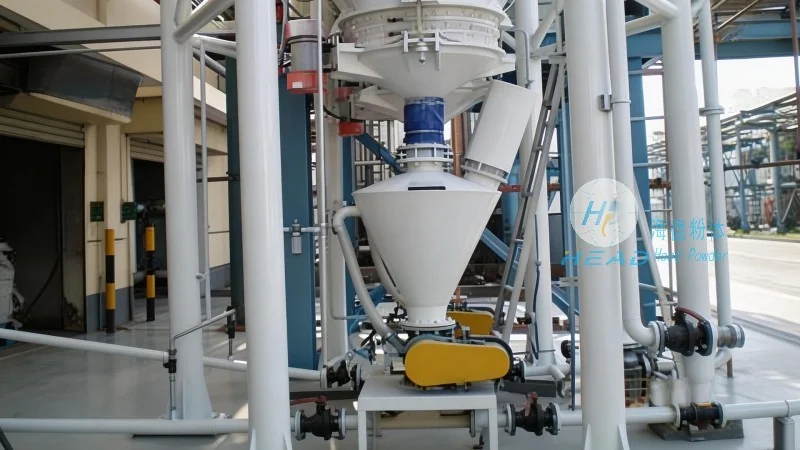
Considerations for Choosing a Conveying System
When selecting a conveying system for soybean meal, several factors should be considered. The first is the material's characteristics, such as its bulk density, flowability, and moisture content. Soybean meal is typically free-flowing but can be dusty, so the system must be designed to handle these properties without clogging or loss of material. The second factor is the distance and layout of the plant. Longer distances may require more powerful compressors or multiple stages to maintain material flow. The third factor is the required flow rate, which depends on the production capacity of the facility. Finally, cost considerations, including initial investment and operating expenses, are important in making the right choice.
Conclusion: The Role of Pneumatic Conveying in Soybean Meal Handling
In conclusion, pneumatic conveying is a reliable and efficient method for transporting soybean meal. It offers advantages in terms of hygiene, automation, and flexibility. By understanding the different components and applications of pneumatic systems, processing facilities can make informed decisions to optimize their material handling processes. As a leading provider of engineering solutions, Shandong HeadPowder Engineering Co., Ltd. specializes in designing and manufacturing custom pneumatic conveying systems tailored to the specific needs of soybean processing plants, ensuring optimal performance and product quality.




