Continuous material feeding conveying lines are essential components in modern industrial production, facilitating the efficient and seamless transfer of bulk materials from one processing stage to another. These systems are designed to maintain a constant flow of materials, ensuring optimal productivity and minimizing downtime in manufacturing operations. The operation process and working principle of such lines are critical for understanding their functionality and effectiveness in various industrial applications.
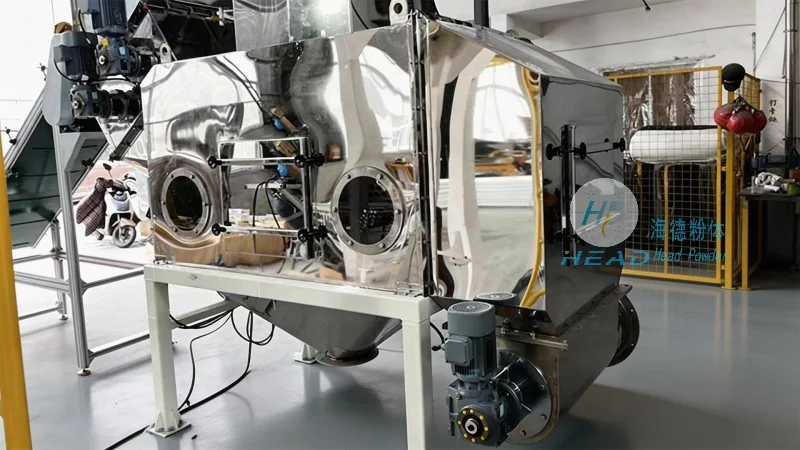
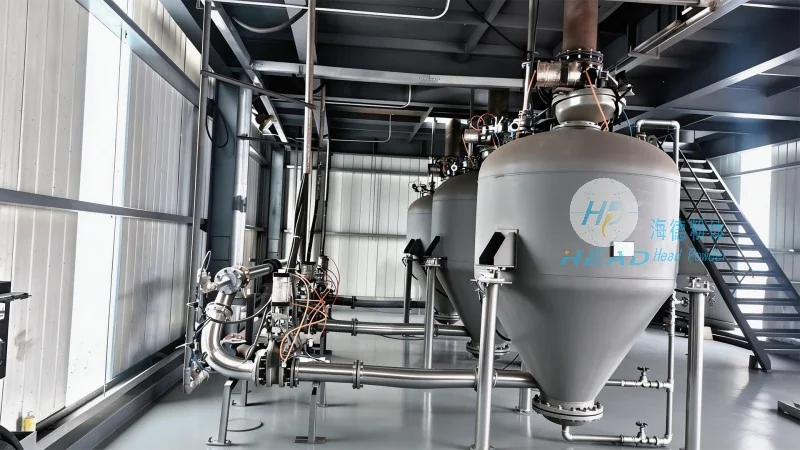
HeadPowder, a leading manufacturer based in Shandong, China, specializes in the design, development, and implementation of advanced material handling solutions. With a strong commitment to quality and innovation, the company has established itself as a trusted partner for businesses seeking reliable and efficient conveying systems. The expertise and experience of HeadPowder engineers contribute significantly to the performance and durability of their continuous material feeding lines.
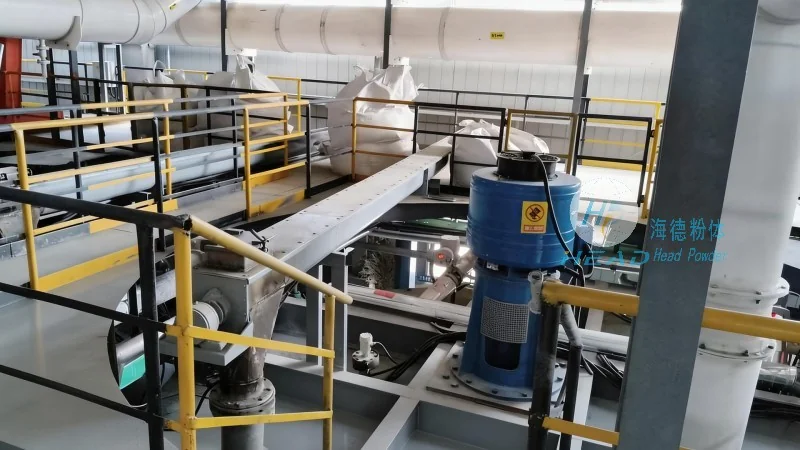
Operation Process of Continuous Material Feeding Conveying Lines
The operation process of a continuous material feeding conveyor typically involves several key stages, each designed to ensure the smooth and consistent movement of materials. The initial stage involves the intake of raw materials, which may be delivered via a hopper or a feeding mechanism. This material is then transferred to the conveyor belt or the main conveying path through a series of rollers, belts, or other transport components. The conveyor system is equipped with sensors and control systems that monitor the flow rate and position of the materials, allowing for real-time adjustments to maintain optimal performance. As the materials move along the line, they may undergo additional processing steps, such as sorting, cleaning, or blending, before reaching the final output point. The entire process is automated, with minimal human intervention required, enhancing efficiency and reducing the risk of errors. The continuous nature of the system ensures that production remains uninterrupted, as materials are constantly fed into the next stage of processing.
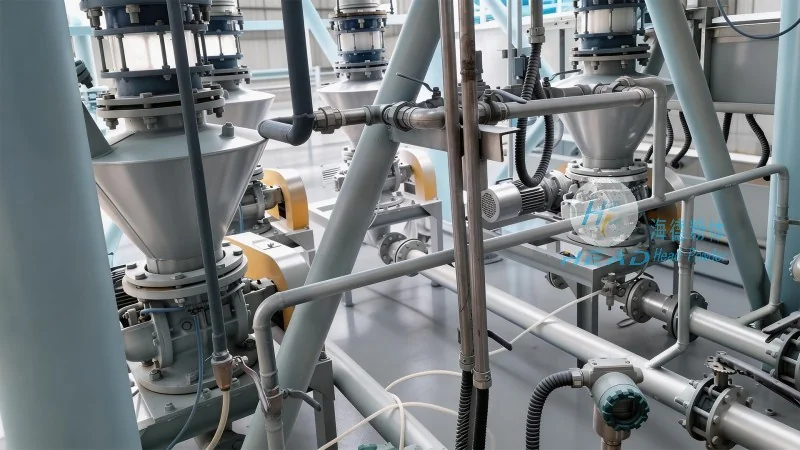
Working Principle of Continuous Material Feeding Conveying Lines
The working principle of continuous material feeding conveying lines is based on the mechanics of material transport and the integration of various components working in harmony. The core components include a driving system, which provides the necessary power to move the conveyor belt or other transport media. This driving system may consist of electric motors, gearboxes, and pulleys that convert electrical energy into mechanical motion. The conveyor belt, often made of durable materials like rubber or plastic, supports the weight of the materials and moves them along the designated path. The feeding mechanism, such as a hopper or a feeder, ensures a steady supply of materials to the conveyor. Sensors, including level sensors and position sensors, are integrated into the system to monitor the material level and position, providing feedback to the control system. The control system, typically a programmable logic controller (PLC), manages the operation of the conveyor, adjusting the speed and direction based on the material flow and processing requirements. This closed-loop control system ensures that the conveying line operates efficiently and safely, preventing overloading or underloading conditions. The combination of these components allows for a reliable and consistent material flow, which is crucial for maintaining production efficiency and product quality.




