Coal powder, a vital material in industries such as power generation, cement production, and chemical processing, requires efficient and reliable transportation to maintain smooth operational workflows. The selection of a suitable conveying method directly impacts production efficiency, material quality, and overall system safety. This article explores common coal powder conveying methods, with a focus on the advantages and applications of pneumatic conveying systems.
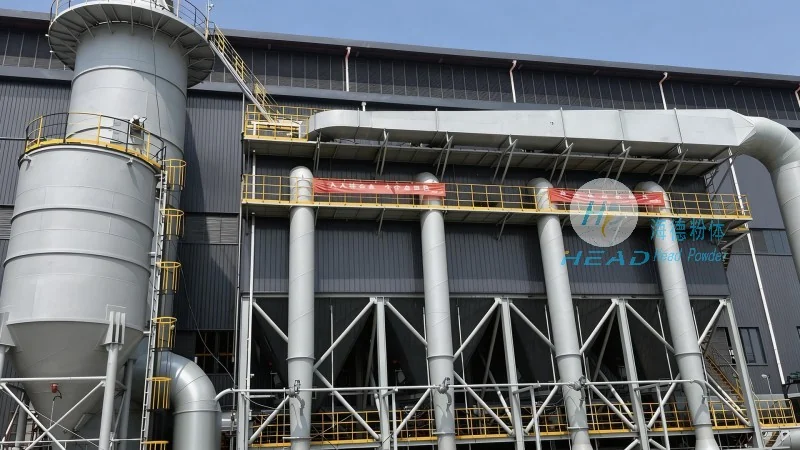
Overview of Coal Powder Conveying Technologies
Coal powder is typically transported via several methods, including mechanical systems like belt and screw conveyors, and pneumatic systems that utilize air or other gases. Pneumatic conveying, in particular, has gained prominence due to its ability to handle fine powders, minimize dust exposure, and enable flexible system designs. The choice of method depends on factors like material properties, distance to be covered, and required system complexity.
Pneumatic Conveying Systems: Principles and Types
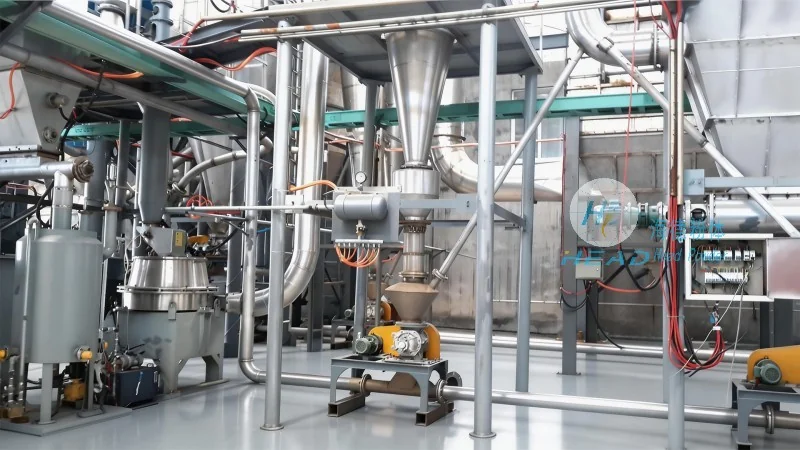
Pneumatic conveying systems operate by transporting coal powder through pipelines using compressed air or gas. The two primary types are pressure and vacuum systems. Pressure systems use positive pressure to push material through the pipeline, while vacuum systems use negative pressure to draw material into the system. For coal powder applications, pressure systems are often preferred as they can handle higher loads and longer distances with less pressure loss.
Advantages of Pneumatic Conveying for Coal Powder
Coal powder pneumatic conveying offers several benefits over traditional mechanical methods. Firstly, it effectively reduces dust generation and exposure, enhancing workplace safety and environmental compliance. Secondly, the system can handle fine and abrasive powders without causing excessive wear on components, extending equipment lifespan. Thirdly, pneumatic systems allow for flexible layouts with multiple feeding and discharge points, which is advantageous for complex industrial processes. Additionally, the technology supports high material throughput and easy integration with other process equipment, improving overall operational efficiency.
Applications and Industrial Use Cases
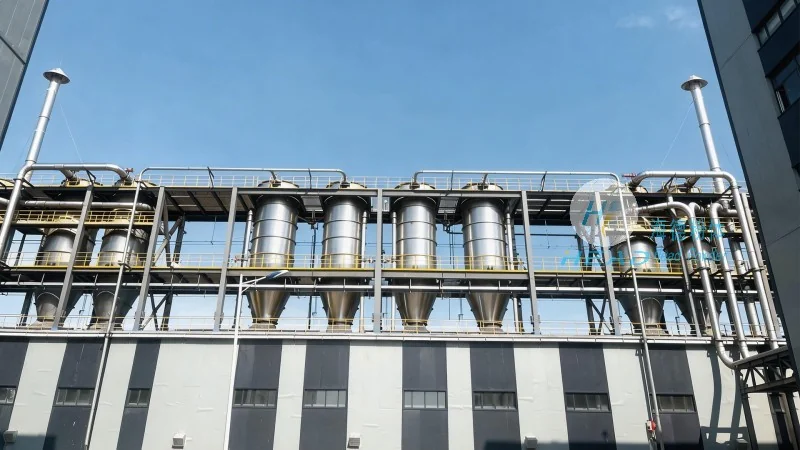
Pneumatic conveying is widely used in various industries. In power plants, it transports coal from storage silos to boilers, ensuring a continuous fuel supply. In cement manufacturing, the system facilitates the transport of raw materials and finished products, boosting production line efficiency. The chemical industry also utilizes it for coal-based raw materials or byproducts, supporting coal-derived chemical processing. The system's versatility makes it suitable for both large-scale and smaller-scale operations, adapting to different production scales and material handling needs.
Key Considerations for Implementing Coal Powder Conveying Systems
When implementing a coal powder conveying system, several factors must be addressed to ensure optimal performance. Material properties—such as particle size, moisture content, and abrasiveness—are critical in selecting the appropriate system design and components. The system's capacity and conveying distance are also essential, as they affect pressure requirements and energy consumption. The choice of pipeline material, like stainless steel or plastic, is crucial to prevent corrosion and material buildup. Proper maintenance and monitoring are vital to avoid downtime and maintain consistent performance. By considering these factors, industrial facilities can select and operate a system tailored to their specific needs.




