This article provides an overview of the operating process and working principle of polyvinyl alcohol formaldehyde material handling equipment, manufactured by Shandong HeadPowder Engineering Co., Ltd. Based in Shandong, China, HeadPowder specializes in providing efficient and reliable solutions for material handling in industrial applications. The equipment is designed to handle polyvinyl alcohol formaldehyde, a key chemical used in various industries such as textiles, adhesives, and coatings.
Company Overview
Shandong HeadPowder Engineering Co., Ltd. is a leading manufacturer of industrial material handling equipment. With a strong focus on innovation and quality, the company has established itself as a trusted partner for businesses requiring reliable solutions for transporting and processing polyvinyl alcohol formaldehyde. HeadPowder's facilities are located in Shandong, China, where the company leverages advanced technology and skilled workforce to produce high-performance equipment tailored to customer needs.
Components and Structure of the Material Handling Equipment
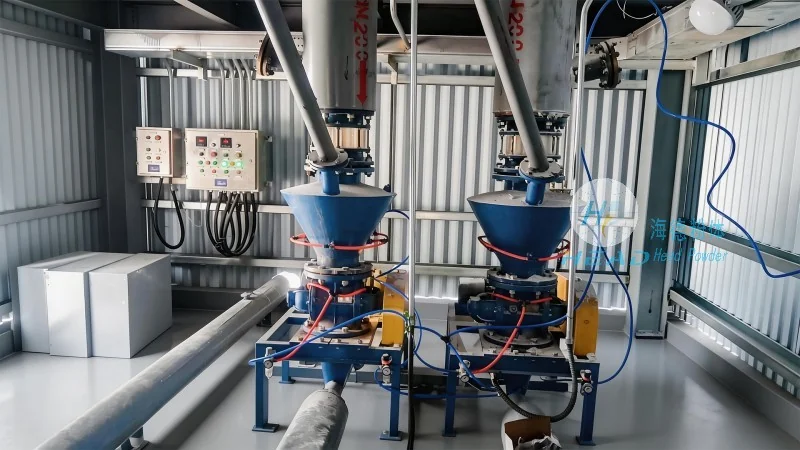
The polyvinyl alcohol formaldehyde material handling equipment typically consists of several key components that work in tandem to ensure efficient operation. These components include a hopper for material storage, a conveyor system for transporting the material, a feeding mechanism to control the flow rate, and a discharge outlet for delivering the material to the next stage of processing. The equipment is constructed with durable materials, such as stainless steel or corrosion-resistant alloys, to withstand the chemical properties of polyvinyl alcohol formaldehyde and ensure long-term performance.
Operating Process of the Equipment
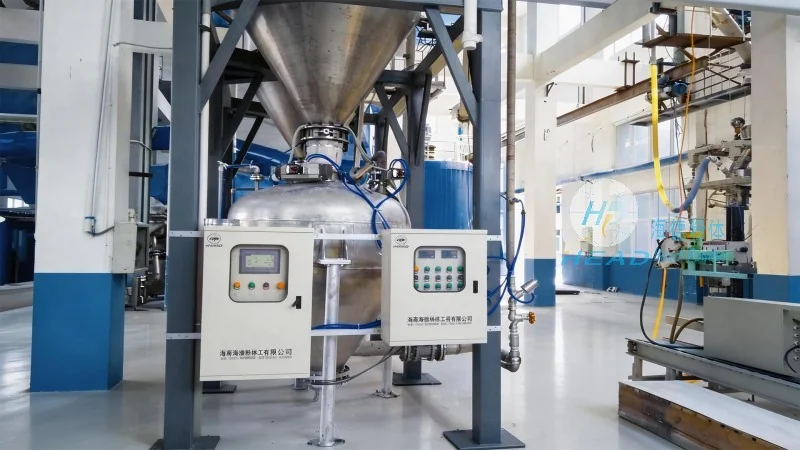
The operating process of the polyvinyl alcohol formaldehyde material handling equipment begins with the loading of the material into the hopper. The material is then fed into the conveyor system through the feeding mechanism, which controls the flow rate to maintain consistent and controlled movement. The conveyor system transports the material to the discharge outlet, where it is delivered to the subsequent processing equipment. The entire process is automated, with sensors and control systems monitoring the flow rate, pressure, and temperature to ensure optimal performance and safety. The equipment is designed to operate continuously, minimizing downtime and maximizing productivity in industrial settings.
Working Principle of the Equipment
The working principle of the polyvinyl alcohol formaldehyde material handling equipment is based on mechanical and pneumatic systems that work together to transport the material. The hopper stores the material, and the feeding mechanism uses a screw or paddle to move the material into the conveyor. The conveyor system, which may be a belt or screw conveyor, transports the material along a predetermined path. The discharge outlet is positioned to direct the material to the next stage of processing. The control system regulates the speed of the conveyor and the feeding mechanism to maintain the desired flow rate. This integrated approach ensures that the material is handled safely and efficiently, reducing the risk of spills or blockages.
Advantages of Using Polyvinyl Alcohol Formaldehyde Material Handling Equipment
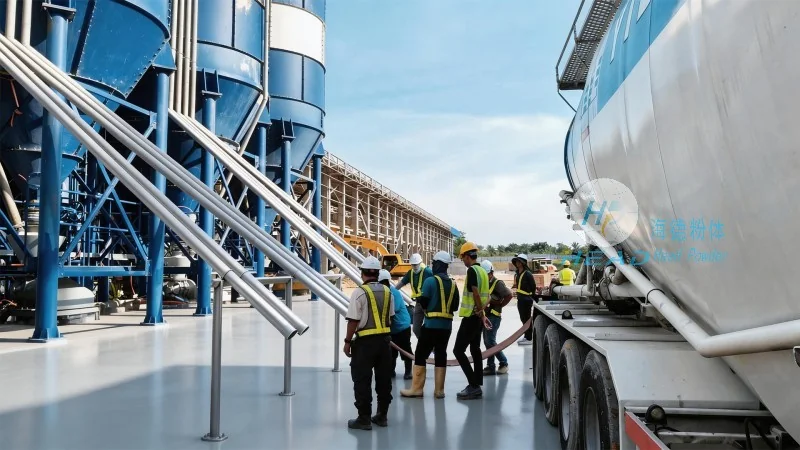
Using polyvinyl alcohol formaldehyde material handling equipment offers several advantages for industrial applications. The equipment is designed to handle the chemical properties of polyvinyl alcohol formaldehyde, ensuring that the material is transported without degradation or contamination. The automated control systems provide consistent and reliable operation, reducing the need for manual intervention and minimizing human error. The durable construction of the equipment ensures long-term performance, reducing maintenance costs and downtime. Additionally, the equipment is designed to be energy-efficient, reducing operational costs and environmental impact.
Applications and Industries
Polyvinyl alcohol formaldehyde material handling equipment is widely used in various industries that require the transportation and processing of polyvinyl alcohol formaldehyde. These industries include textiles, where polyvinyl alcohol formaldehyde is used as a binder in adhesives and coatings; adhesives and coatings manufacturing, where the chemical is used as a key component in products; and other industrial applications where the material is used as a raw material or intermediate. The equipment is suitable for both batch and continuous processing, making it versatile for different production requirements.




