For clients seeking reliable and efficient solutions for potash fertilizer handling, the design of a pneumatic conveying system is a critical step. This article outlines essential considerations and best practices for the design of such systems, ensuring optimal performance, safety, and longevity. The following points are tailored to the unique requirements of potash fertilizer, a highly abrasive and potentially hazardous material.
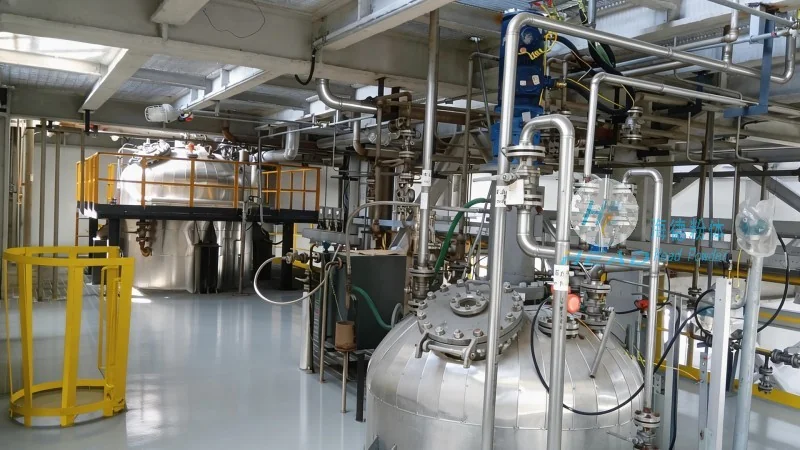
Understanding the Core Requirements of Potash Fertilizer Handling
Potash fertilizer, composed primarily of potassium chloride (KCl), presents specific challenges during material handling. Its abrasive nature can quickly wear down equipment components, while its potential to generate dust requires stringent dust control measures. Additionally, the material's density and flow characteristics influence the selection of conveying methods and system components. A thorough analysis of these factors is essential to develop a system that meets operational efficiency and safety standards.
Key Design Considerations for Pneumatic Conveying Systems
The design of a potash fertilizer pneumatic conveying system involves several critical components and considerations. These include the type of conveying system (e.g., dilute-phase or dense-phase), material handling capacity, pressure requirements, and the integration of dust collection and filtration systems. Each of these elements must be carefully selected to ensure the system operates efficiently and safely. For instance, dilute-phase systems are suitable for long-distance transport, while dense-phase systems are ideal for handling high-density materials like potash fertilizer, minimizing material degradation.
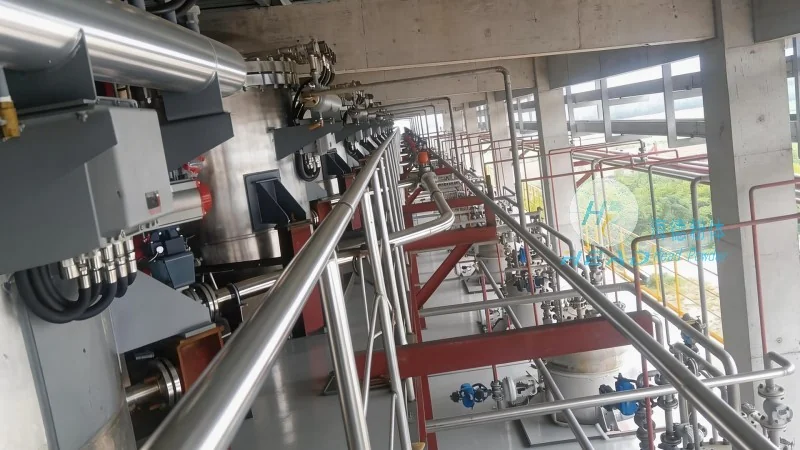
Material Selection and Equipment Durability
Given the abrasive properties of potash fertilizer, the selection of durable materials for system components is paramount. Components such as hoppers, pipelines, and valves must be constructed from corrosion-resistant and wear-resistant materials. Stainless steel, high-chrome alloys, or specialized coatings are commonly used to extend equipment life and reduce maintenance costs. Proper material selection not only enhances system longevity but also ensures compliance with safety regulations for handling hazardous materials.
System Integration and Automation
Modern potash fertilizer pneumatic conveying systems often incorporate advanced automation and control technologies to enhance operational efficiency and safety. These systems may include sensors for monitoring pressure, flow, and temperature, as well as automated controls for material feeding, conveying, and discharge. Integration with existing plant processes allows for seamless operation and reduces the risk of human error. Automation also enables real-time monitoring and data collection, facilitating predictive maintenance and system optimization.
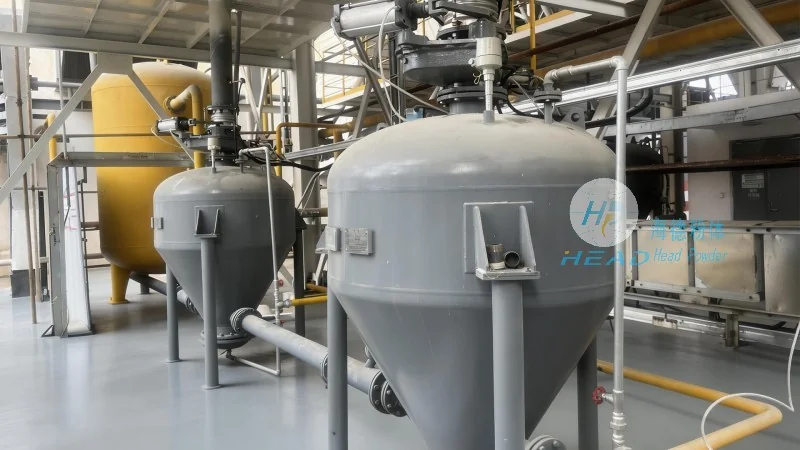
Dust Control and Environmental Compliance
Effective dust control is a critical aspect of potash fertilizer handling, as the material is prone to generating fine dust that can pose health and environmental risks. The design of the conveying system must include robust dust collection and filtration systems to capture and remove airborne particles. These systems may include baghouses, cartridge filters, or electrostatic precipitators, depending on the system's capacity and environmental regulations. Compliance with local and national environmental standards is essential to ensure the system operates without adverse environmental impacts.
Installation and Maintenance Best Practices
The successful operation of a potash fertilizer pneumatic conveying system relies on proper installation and regular maintenance. Professional installation by experienced engineers ensures that all components are correctly assembled and aligned, minimizing the risk of leaks or system failures. Regular maintenance, including inspections of wear parts, cleaning of filters, and checks of system performance, is crucial to maintain optimal operation. A well-maintained system not only extends its lifespan but also reduces downtime and operational costs.
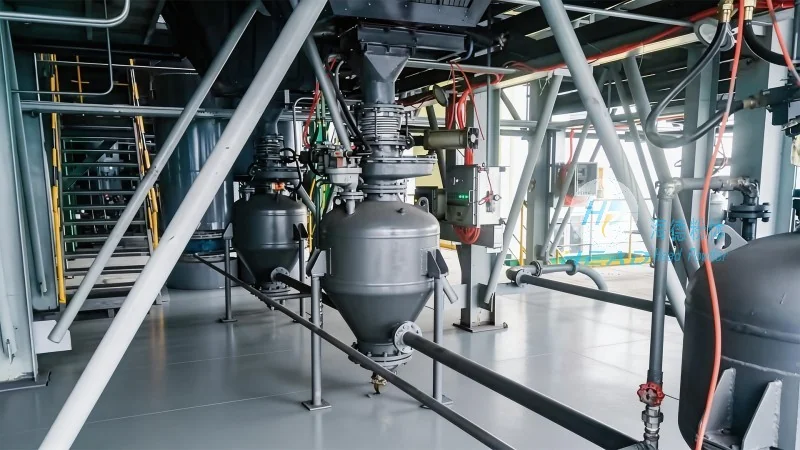
Case Study: Successful Implementation by Shandong HeadPowder Engineering Co., Ltd.
Shandong HeadPowder Engineering Co., Ltd., a leading provider of engineering solutions for material handling, has successfully implemented numerous potash fertilizer pneumatic conveying systems. One notable project involved the design and installation of a dilute-phase system for a large-scale potash fertilizer plant. The system was tailored to handle high volumes of KCl while maintaining low dust emissions and minimal material degradation. Through careful material selection, advanced automation, and rigorous testing, the system achieved operational efficiency and compliance with industry standards. This case study highlights the expertise and commitment of HeadPowder in delivering reliable and effective solutions for potash fertilizer handling.
Conclusion: Ensuring Optimal Performance and Safety
In conclusion, the design of a potash fertilizer pneumatic conveying system requires a comprehensive approach that addresses the unique challenges of handling this material. By considering factors such as material properties, system components, durability, automation, dust control, and maintenance, engineers can develop a system that meets operational efficiency, safety, and environmental requirements. For businesses seeking reliable solutions, partnering with experienced engineering firms like Shandong HeadPowder Engineering Co., Ltd. ensures access to expert guidance and tailored solutions that enhance productivity and reduce operational risks.




