Garbage management is a critical component of urban infrastructure, and the efficiency of waste transport systems directly impacts public health and environmental sustainability. Among the various approaches used to move waste from collection points to disposal sites, several common methods have become standard practices. This article provides a detailed comparison of these methods, focusing on their operational principles, advantages, and typical applications, with insights from industry leaders like Shandong HeadPowder Engineering Co., Ltd.
Overview of Garbage Transport Methods
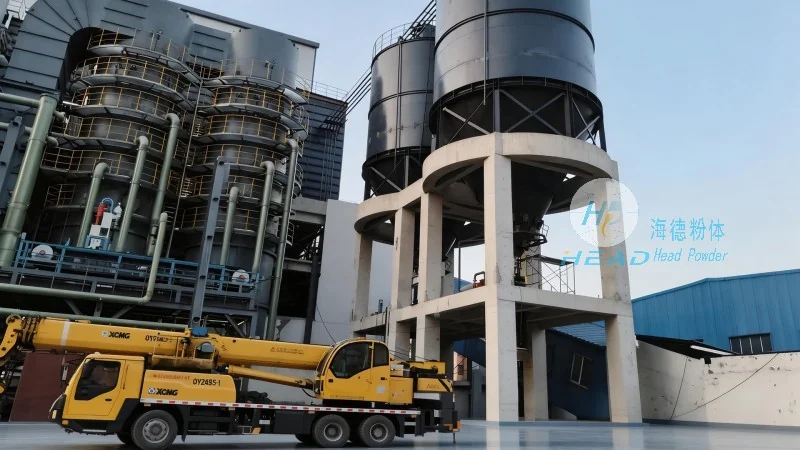
Garbage transport methods can be broadly categorized based on the technology and infrastructure employed. The primary methods include truck-based collection, conveyor systems, and specialized vehicles tailored for specific waste types. Each method has distinct characteristics that make it suitable for different scenarios, from residential neighborhoods to industrial sites. Understanding these differences is essential for municipalities and waste management companies to select the most effective solution for their operational needs.
Truck-Based Garbage Collection
Truck-based collection remains one of the most widely utilized methods globally. This approach involves the use of garbage trucks equipped with hydraulic systems to lift and empty waste containers. The process typically begins with the truck arriving at a residential or commercial location, where it lifts the container and empties its contents into the truck's hopper. The waste is then transported to a transfer station or directly to a landfill or recycling facility. The advantages of truck-based collection include its flexibility and ability to serve a wide range of locations, including areas with limited infrastructure. However, it can be less efficient in densely populated urban areas due to traffic congestion and the need for frequent stops.
Conveyor Systems for Waste Transport
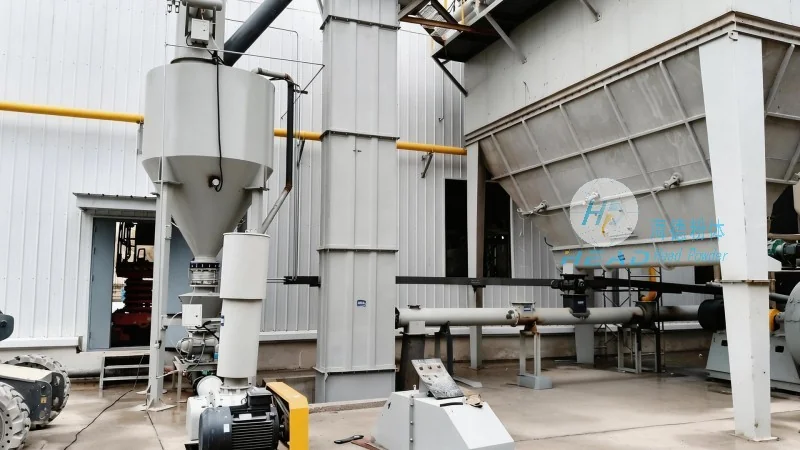
Conveyor systems offer a more automated and continuous method of transporting waste. These systems consist of a series of belts or rollers that move waste from one point to another. In many waste management facilities, conveyor belts are used to transport waste from collection bins to processing areas, such as sorting lines or incinerators. The use of conveyors can significantly reduce labor costs and improve the speed of waste processing. They are particularly effective in large-scale operations where high volumes of waste need to be handled efficiently. However, conveyor systems require substantial upfront investment and ongoing maintenance to ensure optimal performance.
Specialized Waste Transport Vehicles
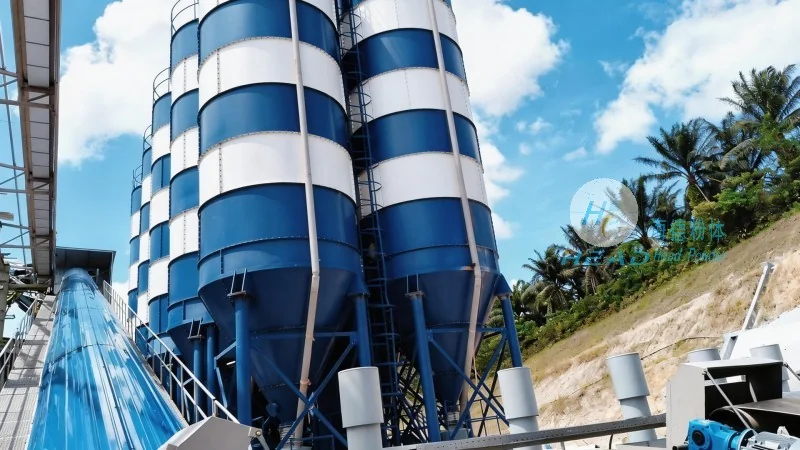
Specialized vehicles are designed for specific types of waste, such as hazardous materials, medical waste, or bulky items. These vehicles often feature specialized containers or compartments to ensure proper containment and handling. For example, medical waste transport vehicles are equipped with biohazard containers to prevent contamination and ensure safe disposal. Similarly, vehicles for transporting hazardous waste are designed to meet regulatory requirements for containment and transport. The use of specialized vehicles is crucial for maintaining safety and compliance with environmental regulations, as improper handling of these materials can lead to significant environmental and health risks.
Factors Influencing the Choice of Transport Method
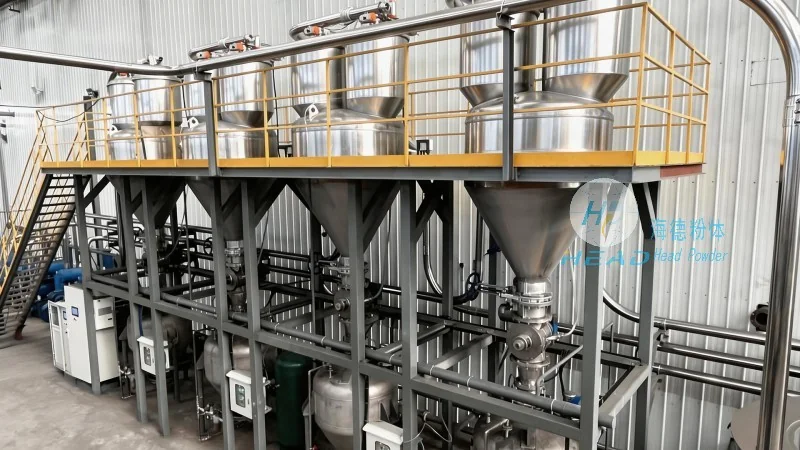
The choice of garbage transport method depends on several factors, including the type and volume of waste, the geographic layout of the area, and budget constraints. For instance, in densely populated urban areas with narrow streets, truck-based collection may be more practical due to the limited space available for larger machinery. In contrast, industrial zones with large volumes of waste may benefit from conveyor systems to streamline the processing workflow. Additionally, the presence of environmental regulations and the need for recycling or waste-to-energy facilities can influence the selection of a transport method. Companies like Shandong HeadPowder Engineering Co., Ltd. play a vital role in advising municipalities and waste management entities on the most suitable transport solutions based on these factors.
Conclusion
In conclusion, the selection of an appropriate garbage transport method is a critical decision for effective waste management. Truck-based collection, conveyor systems, and specialized vehicles each offer unique advantages and are best suited for different applications. By understanding the operational characteristics and benefits of each method, waste management professionals can optimize their systems to improve efficiency, reduce costs, and enhance environmental sustainability. As industry leaders, Shandong HeadPowder Engineering Co., Ltd. continues to provide innovative solutions and expert guidance to help organizations achieve their waste management goals.




