For coffee processing facilities, the design of an efficient and reliable coffee pneumatic conveying system is crucial for maintaining product quality and operational efficiency. A well-designed system ensures that coffee beans or ground coffee are transported safely and effectively from one stage of production to another, minimizing the risk of contamination and damage. This article provides a comprehensive guide to designing a reasonable coffee pneumatic conveying system, focusing on key factors that influence system performance and longevity.
Understanding the Core Components of Coffee Pneumatic Conveying Systems
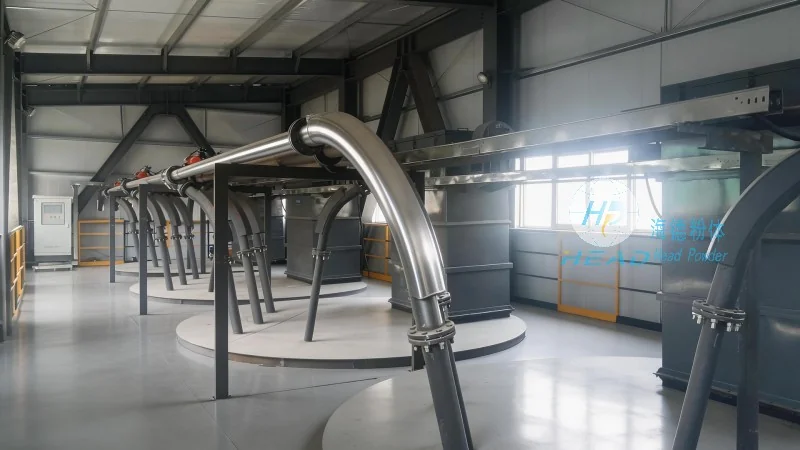
A coffee pneumatic conveying system typically consists of several key components, each playing a vital role in the overall operation. The primary components include the material feed hopper, which holds the coffee beans or ground coffee; the conveyor itself, which uses air pressure to move the material; and the separation or collection equipment, which directs the material to its final destination. Additionally, the system may include filters, silencers, and pressure regulators to ensure smooth and safe operation. Understanding these components and their interactions is essential for designing a system that meets the specific needs of a coffee processing operation.
Key Design Considerations for Coffee Pneumatic Conveying Systems
When designing a coffee pneumatic conveying system, several factors must be carefully considered to ensure optimal performance. The first consideration is the type of system: either positive pressure or negative pressure. Positive pressure systems use compressed air to push the material through the pipeline, while negative pressure systems use vacuum to pull the material. The choice between these systems depends on factors such as the distance to be covered, the material's properties, and the desired flow rate. Another critical factor is the material's characteristics, including its density, moisture content, and particle size. These properties affect the system's pressure requirements and the type of equipment needed. For example, coffee beans are typically denser and have larger particle sizes than ground coffee, requiring different system parameters. Additionally, the system's capacity and flow rate must be matched to the production volume to avoid bottlenecks or overloading the equipment. Proper sizing of the pipeline diameter and air velocity is also essential to prevent material buildup or excessive energy consumption.
Material Handling and Equipment Selection for Coffee Processing
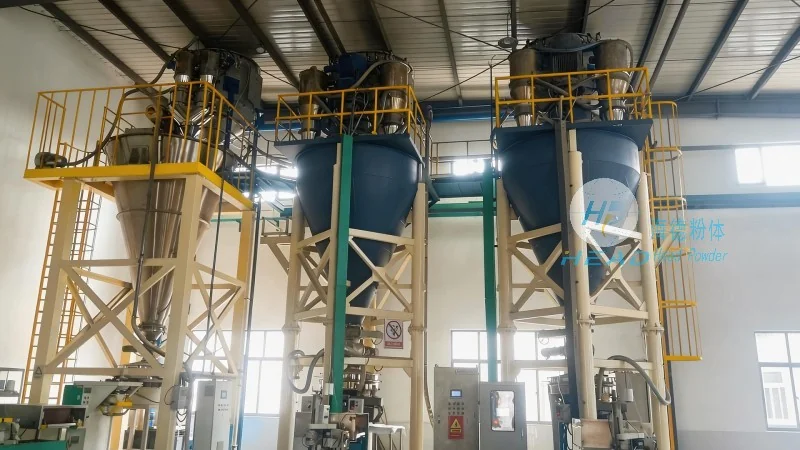
HeadPowder, a leading engineering company specializing in material handling solutions, offers expertise in designing coffee pneumatic conveying systems tailored to the unique needs of coffee processing facilities. With years of experience in the industry, HeadPowder understands the importance of selecting the right equipment and materials to ensure system reliability and efficiency. The company's engineers work closely with clients to assess their specific requirements, including production volume, material characteristics, and operational constraints. This collaborative approach ensures that the final system design is optimized for performance and cost-effectiveness. HeadPowder's solutions include a range of components, such as high-quality feed hoppers, durable conveyor pipes, and advanced separation equipment, all designed to withstand the demands of coffee processing environments. The company's commitment to using high-quality materials and robust construction ensures that the systems are built to last, minimizing maintenance and downtime.
Addressing Common Challenges in Coffee Pneumatic Conveying
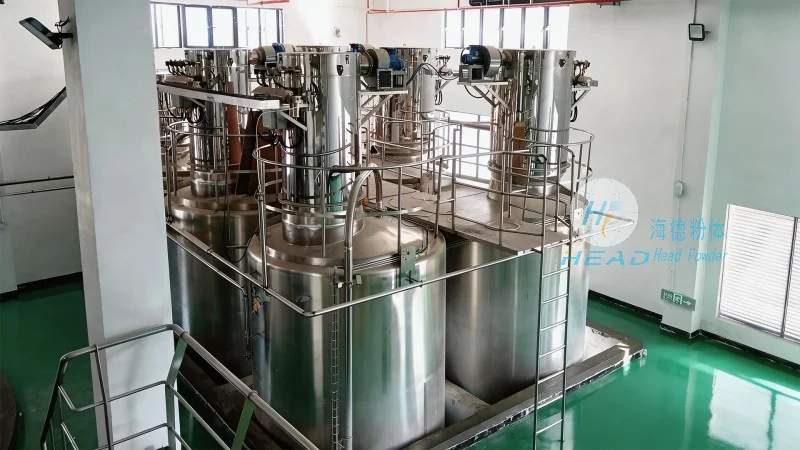
Despite their efficiency, coffee pneumatic conveying systems can face challenges that affect their performance. One common issue is material buildup in the pipeline, which can lead to reduced flow rates and increased energy consumption. This problem is often caused by improper air velocity or insufficient cleaning procedures. To address this, system designers may incorporate cleaning mechanisms, such as reverse airflow or mechanical cleaning tools, into the design. Another challenge is the potential for product contamination, which is a critical concern in food processing. To mitigate this risk, the system must be designed with sanitary materials and proper sealing to prevent cross-contamination. Additionally, noise and vibration from the system can be a nuisance in industrial settings. HeadPowder addresses these challenges by incorporating soundproofing and vibration dampening features into their designs, ensuring that the system operates quietly and smoothly.
Conclusion: Building a Reliable Coffee Pneumatic Conveying System
Designing a reasonable coffee pneumatic conveying system requires a thorough understanding of the material properties, operational requirements, and industry standards. By considering factors such as system type, material characteristics, and equipment selection, facilities can achieve efficient and reliable material handling. HeadPowder, with its expertise and commitment to quality, provides comprehensive solutions for coffee processing facilities, ensuring that their systems meet the highest standards of performance and safety. With proper design and implementation, coffee pneumatic conveying systems can significantly improve operational efficiency and product quality, contributing to the success of coffee processing operations.




