When it comes to handling bulk materials efficiently, bulk bag (also known as super sack or FIBCs) unloading and powder conveying systems play a crucial role in industrial operations. These systems are designed to safely and effectively transfer powders and granules from bulk bags into processing equipment or storage containers. Understanding the core components and design principles behind such systems is essential for optimizing material handling processes and ensuring operational efficiency.
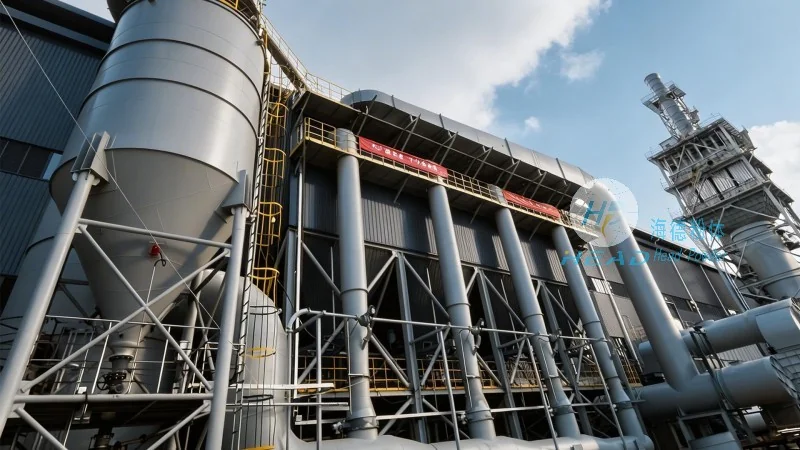
What is Bulk Bag Unpacking and Powder Conveying?
Bulk bag unloading and powder conveying systems are specialized equipment used to extract materials from flexible bulk containers and transport them to the next stage of processing. These systems are commonly employed in industries such as chemicals, food processing, pharmaceuticals, and mining, where handling large quantities of powders is a daily requirement. The primary goal of these systems is to provide a safe, dust-free, and efficient method for material transfer, minimizing product loss and contamination.
Key Components of Bulk Bag Unloading Systems
The effectiveness of a bulk bag unloading system depends on several key components that work in tandem to achieve seamless material transfer. These components typically include:
1. Bulk Bag Support Frame: A sturdy frame that holds the bulk bag securely in place, ensuring it remains stable during the unloading process. This frame is often adjustable to accommodate different bag sizes and shapes.
2. Discharge Valve: Located at the bottom of the bulk bag, the discharge valve allows controlled release of the material. It can be manual or automated, depending on the system requirements. The valve may include features like a gate or a spout to regulate the flow rate.
3. Pneumatic or Mechanical Unloader: This component is responsible for extracting the material from the bag. Pneumatic unloaders use compressed air to create a vacuum or pressure differential, while mechanical unloaders may use augers or conveyor belts to push the material out.
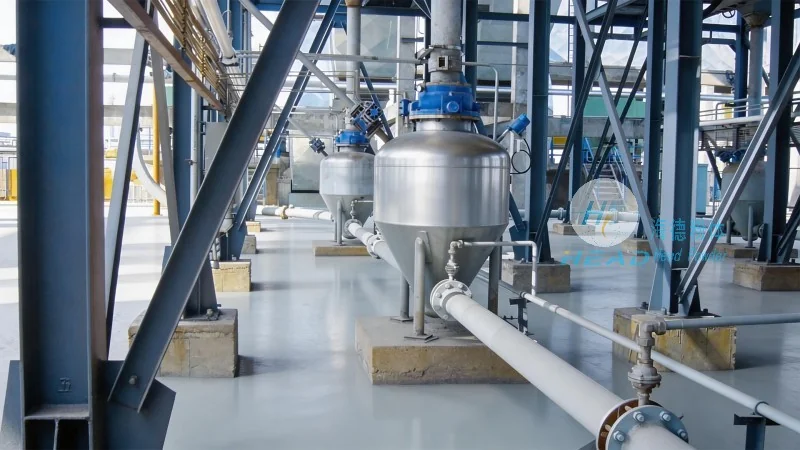
4. Dust Extraction System: To maintain a clean and safe working environment, a dust extraction system is integrated into the design. This system typically includes a filter or cyclone to capture airborne particles and return clean air to the workspace.
5. Powder Conveying Equipment: After the material is unloaded from the bag, it needs to be transported to the processing line. This may involve using conveyors, pneumatic transport systems, or other conveying equipment to move the powder to the next stage of production.
Design Principles for Efficient Powder Conveying
The design of a bulk bag unloading and powder conveying system is guided by several key principles aimed at maximizing efficiency, safety, and reliability. These principles include:
1. Material Compatibility: The system must be designed to handle the specific properties of the powder, such as its flowability, density, and potential for dust generation. This involves selecting appropriate materials for the components that come into contact with the powder, such as stainless steel or food-grade plastics.
2. Controlled Flow: Ensuring that the material flows smoothly and consistently from the bulk bag to the conveying system is critical. This is achieved through proper design of the discharge valve, the use of flow aids like vibrators or air knives, and the selection of appropriate conveying equipment.
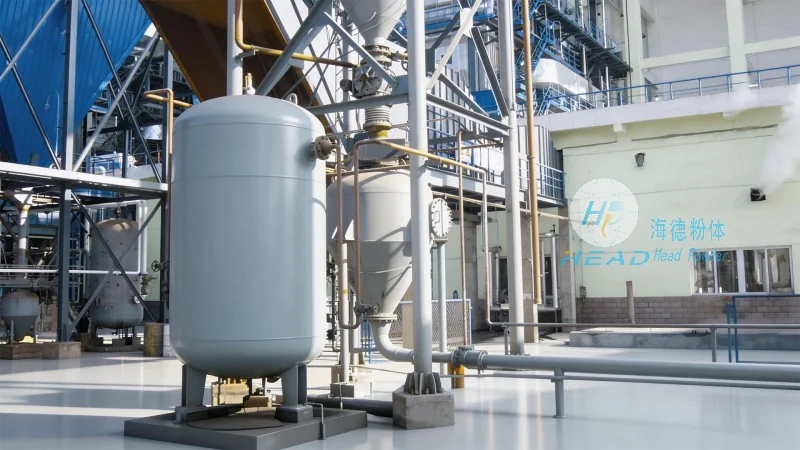
3. Dust Control: Effective dust management is a major consideration in powder handling. The design incorporates dust extraction systems and sealed components to minimize the release of airborne particles, protecting both the environment and personnel.
4. Space Efficiency: Many industrial settings have limited space, so the system is designed to be compact and adaptable. This includes adjustable components and modular designs that can be customized to fit specific facility layouts.
5. Safety and Compliance: The system adheres to relevant safety standards and regulations, including those related to dust explosion prevention and material handling. This ensures that the equipment is safe to operate and meets industry requirements.
Applications and Benefits of Bulk Bag Unloading Systems
Bulk bag unloading and powder conveying systems are widely used across various industries due to their versatility and efficiency. Some common applications include:
1. Chemical Manufacturing: Handling chemicals, pigments, and other powders in pharmaceutical and chemical plants.
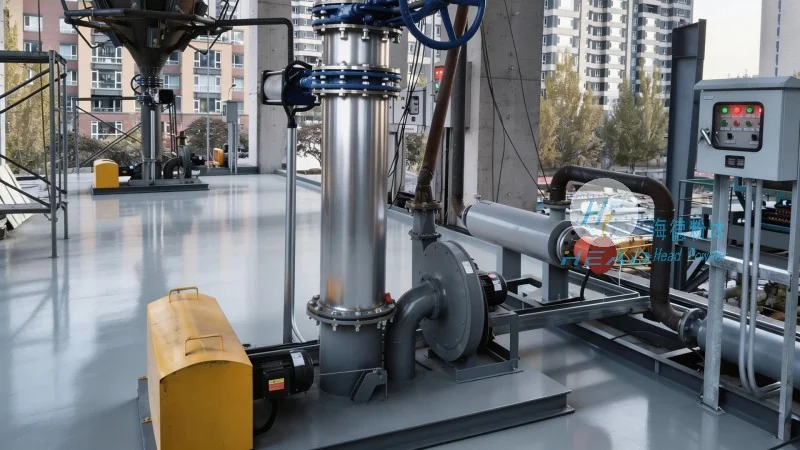
2. Food Processing: Unloading food-grade powders like sugar, flour, and spices in food processing facilities.
3. Pharmaceuticals: Transferring active pharmaceutical ingredients (APIs) and other powders in pharmaceutical manufacturing.
4. Mining and Minerals: Processing minerals and ores in mining operations.
The benefits of these systems include reduced labor costs, improved material handling efficiency, minimized product loss, and enhanced safety in the workplace. By automating the unloading process, companies can achieve higher throughput and better control over their material handling operations.
Conclusion
Bulk bag unloading and powder conveying systems are essential tools for modern industrial operations, providing a reliable and efficient method for handling large quantities of powders. The design principles behind these systems focus on material compatibility, controlled flow, dust control, space efficiency, and safety. By understanding these principles and selecting the appropriate equipment, companies can optimize their material handling processes and improve overall operational performance. For businesses seeking to enhance their bulk material handling capabilities, investing in a well-designed bulk bag unloading system is a strategic decision that can yield significant benefits in terms of efficiency, safety, and cost savings.




