For industrial applications requiring efficient material handling, the PTFE (Polytetrafluoroethylene) pneumatic conveying system equipment stands out as a reliable solution. This equipment is designed to transport powders and granules through a pressurized air stream, offering advantages such as low maintenance, minimal product contamination, and the ability to handle a wide range of materials, including those that are abrasive or sensitive to moisture.
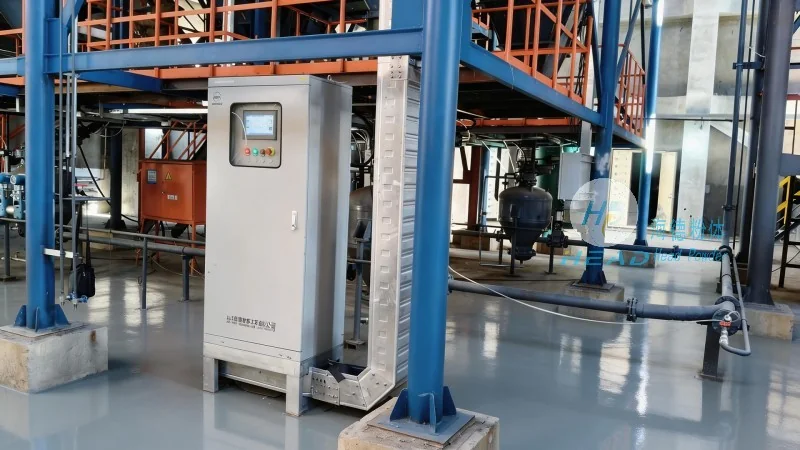
What is a PTFE Pneumatic Conveying System?
A PTFE pneumatic conveying system is a type of material handling equipment that uses compressed air or other gases to transport bulk materials from one location to another. The system typically consists of a hopper, a conveying line, and a receiver. The hopper holds the material to be conveyed, and the conveying line transports the material through the system. The receiver collects the material at the destination. The use of PTFE in the system components ensures excellent chemical resistance and low friction, which are crucial for maintaining the integrity of the conveyed material.
Key Components of the PTFE Pneumatic Conveying System
The PTFE pneumatic conveying system is composed of several key components that work together to achieve efficient material transport. These components include:
1. Hopper: The hopper is the container that holds the bulk material to be conveyed. It is typically made of PTFE or other corrosion-resistant materials to prevent material degradation and contamination. The hopper is equipped with a feeder, which controls the flow of material into the conveying line.
2. Feeder: The feeder is responsible for regulating the flow of material from the hopper into the conveying line. It ensures a consistent and controlled feed rate, which is essential for maintaining the system's performance and preventing blockages.
3. Conveying Line: The conveying line is the main component of the system that transports the material. It is made of PTFE or other materials that are resistant to the conveyed material and the air used for conveying. The line is usually equipped with valves and fittings to control the flow and direction of the material.
4. Receiver: The receiver is the container that collects the material at the destination. It is typically made of PTFE or other materials that are compatible with the conveyed material. The receiver is equipped with a discharge valve, which controls the release of the material.
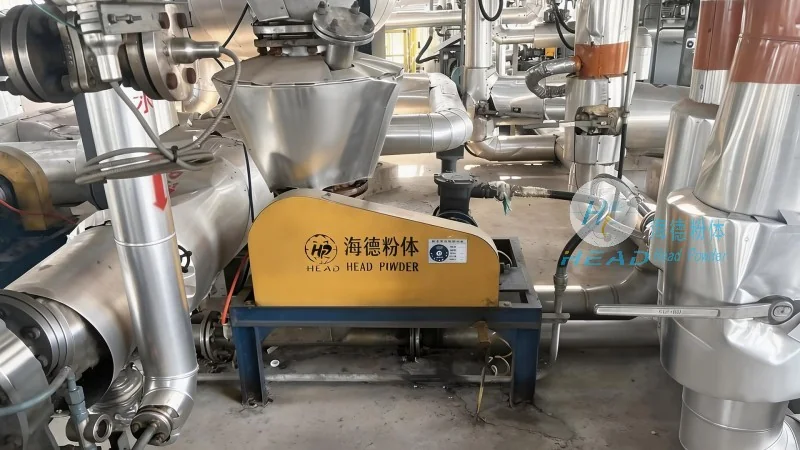
5. Compressor: The compressor provides the pressurized air or gas needed to move the material through the conveying line. It is typically a positive displacement compressor, which provides a consistent pressure and flow rate.
Design Principles of the PTFE Pneumatic Conveying System
The design of a PTFE pneumatic conveying system is based on several key principles to ensure efficient and reliable operation. These principles include:
1. Material Compatibility: The system is designed to handle a wide range of materials, including those that are abrasive, corrosive, or sensitive to moisture. The use of PTFE in the system components ensures excellent chemical resistance and low friction, which are crucial for maintaining the integrity of the conveyed material.
2. Pressure and Flow Control: The system is designed to maintain a consistent pressure and flow rate, which is essential for preventing blockages and ensuring efficient material transport. The use of a compressor and feeder controls helps to regulate the pressure and flow rate.
3. Energy Efficiency: The system is designed to be energy efficient, which reduces operating costs. The use of PTFE in the system components reduces friction, which lowers the energy required to move the material.
4. Maintenance and Durability: The system is designed to be low maintenance and durable. The use of PTFE in the system components reduces wear and tear, which extends the system's lifespan.
Applications of PTFE Pneumatic Conveying System Equipment
The PTFE pneumatic conveying system equipment is widely used in various industries, including:
1. Pharmaceutical Industry: The system is used to transport pharmaceutical powders and granules, which require low contamination and high purity. The use of PTFE ensures that the material is not contaminated by the system.
2. Food and Beverage Industry: The system is used to transport food powders and granules, which require low contamination and high hygiene. The use of PTFE ensures that the material is not contaminated by the system.
3. Chemical Industry: The system is used to transport chemical powders and granules, which require resistance to corrosion and chemical reactions. The use of PTFE ensures that the material is not contaminated by the system.
4. Mineral and Mining Industry: The system is used to transport mineral powders and granules, which are often abrasive and require low friction. The use of PTFE ensures that the material is not contaminated by the system.
Advantages of Using PTFE Pneumatic Conveying System Equipment
There are several advantages to using a PTFE pneumatic conveying system equipment, including:
1. Low Maintenance: The system is low maintenance due to the use of PTFE components, which reduce wear and tear.
2. Minimal Product Contamination: The system is designed to minimize product contamination, which is crucial for industries such as pharmaceuticals and food.
3. Ability to Handle Wide Range of Materials: The system can transport diverse materials, from fine powders to coarse granules, without compromising performance.
4. Energy Efficiency: The system is energy efficient, which reduces operating costs. The use of PTFE reduces friction, lowering the energy needed to move the material.
5. Reliability: The system is reliable and can operate continuously for long periods, minimizing downtime and maintenance requirements.




