Understanding synthetic rubber pneumatic conveying systems is crucial for industries that rely on efficient material handling. This equipment is designed to transport synthetic rubber particles or granules through a pipeline using air pressure, offering a flexible and often more cost-effective alternative to traditional mechanical conveying methods. The system typically consists of several key components, including a hopper for material storage, a blower or compressor to generate airflow, a pipeline network, and a receiver for the discharged material. Each component plays a vital role in ensuring the smooth and reliable operation of the entire system.
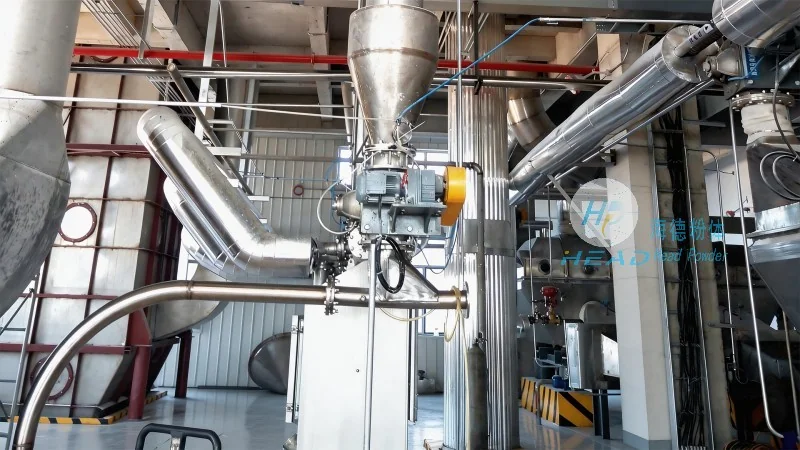
Company Introduction: Shandong HeadPowder Engineering Co., Ltd.
Shandong HeadPowder Engineering Co., Ltd., based in Shandong, China, is a leading manufacturer and supplier of advanced material handling solutions. With years of experience in the industry, the company specializes in developing and producing high-quality synthetic rubber pneumatic conveying systems tailored to meet the diverse needs of various industrial applications. The company's commitment to innovation, quality, and customer satisfaction has established it as a trusted partner for businesses seeking reliable and efficient material transport solutions.
Key Components of Synthetic Rubber Pneumatic Conveying Systems
The synthetic rubber pneumatic conveying system is composed of several essential parts that work in harmony to achieve effective material transport. The first component is the material hopper, which is used to store the synthetic rubber material before it is conveyed. The hopper is typically designed with a discharge valve to control the flow of material into the system. Next, the blower or compressor is responsible for generating the necessary air pressure and flow rate to move the material through the pipeline. This component can be either a positive displacement blower or a centrifugal fan, depending on the specific requirements of the application. The pipeline network, which includes the main pipeline and any necessary branch lines, is constructed from materials such as stainless steel or PVC to ensure durability and resistance to the abrasive properties of synthetic rubber particles. The system also includes a receiver or discharge hopper at the end of the pipeline, where the material is collected after being conveyed. Additionally, the system may incorporate accessories like filters, cyclones, or rotary valves to enhance performance and maintain material quality.
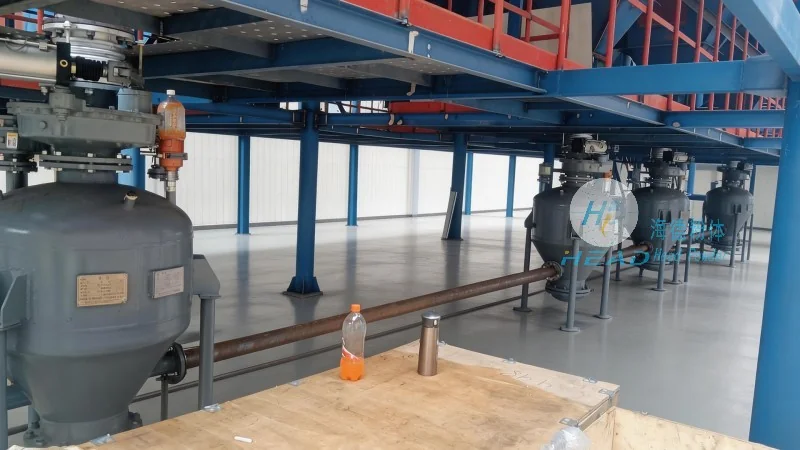
Design Principles of Synthetic Rubber Pneumatic Conveying Systems
The design of a synthetic rubber pneumatic conveying system follows specific principles to ensure optimal performance, efficiency, and safety. The first principle is the selection of the appropriate air velocity, which is critical for preventing material deposition or blockages in the pipeline. The air velocity must be high enough to keep the synthetic rubber particles suspended but low enough to avoid excessive wear on the pipeline and components. The second principle is the proper sizing of the pipeline and components, including the diameter of the pipeline and the size of the blower or compressor. These dimensions are determined based on the material's properties, such as particle size, density, and flow rate, to ensure that the system operates within its design limits. The third principle is the consideration of the system's pressure drop, which is the reduction in air pressure as it travels through the pipeline and components. Proper design minimizes pressure drop to maintain consistent airflow and avoid the need for excessive energy consumption. The fourth principle involves the integration of safety features, such as pressure relief valves and explosion-proof components, to protect the system and personnel from potential hazards. Additionally, the design may include features like automatic cleaning systems or material flow monitoring to enhance operational reliability.
Advantages of Synthetic Rubber Pneumatic Conveying Systems
There are several advantages to using synthetic rubber pneumatic conveying systems in industrial applications. One of the primary benefits is the flexibility of the system, as it can be easily reconfigured or expanded to accommodate changes in production requirements. The system can transport materials over long distances without the need for multiple transfer points, reducing the risk of material contamination or loss. Another advantage is the reduced maintenance requirements compared to traditional mechanical conveying systems, as there are fewer moving parts and less wear on components. The system also offers improved safety, as it eliminates the need for manual handling of materials and reduces the risk of dust explosions or other hazards. Furthermore, the synthetic rubber pneumatic conveying system can handle a wide range of material types, including fine powders, granules, and pellets, making it suitable for various industries such as rubber manufacturing, chemical processing, and food processing. The system's ability to maintain material integrity and prevent segregation is also a significant advantage, as it ensures that the material remains consistent in quality and properties throughout the conveying process.
Applications of Synthetic Rubber Pneumatic Conveying Systems
Synthetic rubber pneumatic conveying systems are widely used in various industries due to their versatility and efficiency. In the rubber manufacturing industry, the system is commonly used to transport raw synthetic rubber materials from storage to processing equipment, such as mixers or extruders. The system can handle different types of synthetic rubber, including natural and synthetic varieties, and ensure that the material is delivered in a clean and consistent manner. In the chemical processing industry, the system is used to transport chemical powders and additives, including those that are abrasive or corrosive. The system's ability to handle these materials without causing damage or contamination makes it an ideal choice for chemical manufacturers. The food processing industry also utilizes synthetic rubber pneumatic conveying systems to transport food-grade powders and ingredients, such as flour, sugar, or spices. The system's hygienic design and easy cleaning features make it suitable for food processing applications, where maintaining product quality and safety is paramount. Additionally, the system is used in other industries, such as pharmaceuticals and plastics, to transport various materials with different properties and requirements.
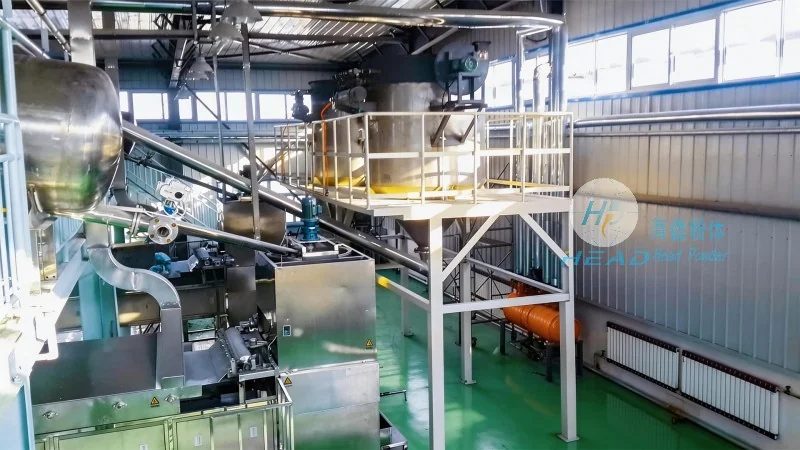
Maintenance and Operational Considerations
Proper maintenance and operational considerations are essential to ensure the long-term performance and reliability of a synthetic rubber pneumatic conveying system. Regular maintenance tasks include inspecting and cleaning the pipeline and components, checking the condition of the blower or compressor, and replacing worn parts as needed. The system should be cleaned regularly to prevent the buildup of material residue, which can affect airflow and cause blockages. The filters and cyclones should be checked and replaced when necessary to maintain air quality and prevent dust accumulation. Operational considerations include monitoring the system's performance parameters, such as air pressure and flow rate, to ensure that it operates within its design limits. The system should also be checked for any signs of wear or damage, such as leaks or corrosion, and addressed promptly to avoid more significant issues. Additionally, the system should be operated by trained personnel who are familiar with its functions and safety features. Proper training ensures that the system is used correctly and safely, reducing the risk of accidents or equipment failure.
Conclusion
Synthetic rubber pneumatic conveying systems are advanced material handling solutions that offer efficient, flexible, and safe transport of synthetic rubber materials. The system's design, based on principles of air velocity, pipeline sizing, and pressure drop, ensures optimal performance and reliability. With the support of companies like Shandong HeadPowder Engineering Co., Ltd., which specializes in developing and producing high-quality systems, industries can benefit from improved material transport efficiency and reduced operational costs. By understanding the components, design principles, and operational considerations of these systems, businesses can make informed decisions and select the most suitable solution for their specific needs. The continued development and innovation in synthetic rubber pneumatic conveying systems will further enhance their performance and expand their applications in various industries.




