For industries dealing with polyethylene powder, efficient and reliable material handling is crucial. Pneumatic conveying systems offer a solution that minimizes product contamination, reduces labor costs, and enhances overall operational safety. This article delves into the operation process and working principles of polyethylene powder pneumatic conveying lines, providing a comprehensive understanding of how these systems function and the benefits they bring to industrial applications.
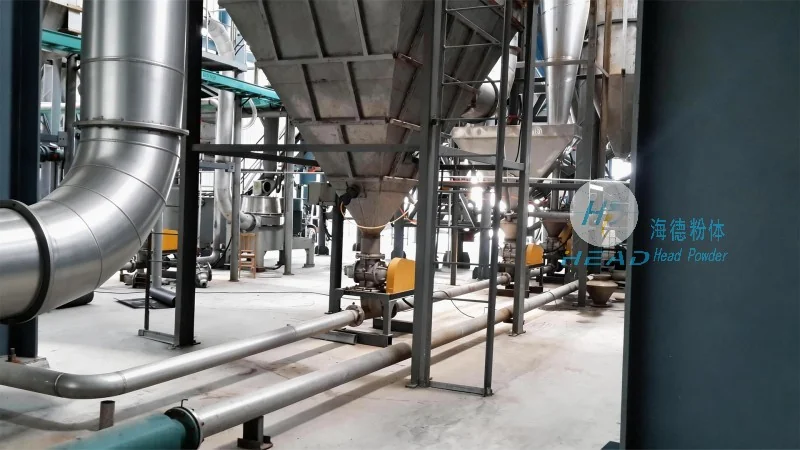
Company Overview: HeadPowder Engineering
HeadPowder, a leading manufacturer in the field of powder handling equipment, specializes in designing and manufacturing high-quality pneumatic conveying systems. With a focus on innovation and customer satisfaction, Shandong HeadPowder Engineering Co., Ltd. is headquartered in Shandong, China. HeadPowder's expertise lies in tailoring systems to meet specific industry requirements, ensuring optimal performance and longevity. The company's commitment to quality and customer service has made it a trusted partner for businesses seeking efficient and durable solutions for polyethylene powder transport.
Key Components of Pneumatic Conveying Systems
A polyethylene powder pneumatic conveying line typically consists of several key components that work in tandem to achieve efficient material transport. These components include the hopper or feeder, which stores and feeds the polyethylene powder into the system; the air compressor or blower, which generates the necessary air pressure to move the material; the pipeline network, which transports the powder through the system; and the receiver or discharge unit, where the material is collected. Each component plays a critical role in the overall operation, and their proper integration is essential for smooth and reliable performance.
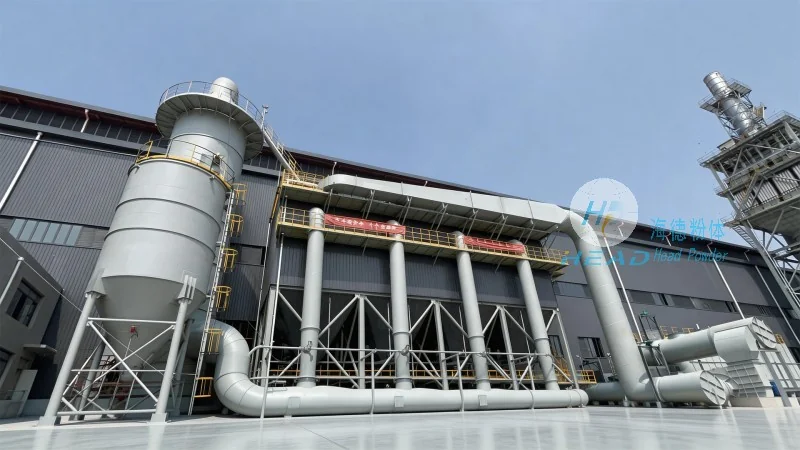
The Working Principle of Pneumatic Conveying
The fundamental principle behind pneumatic conveying is the use of air to transport solid particles. In a positive pressure system, air is forced through the pipeline at a high velocity, creating a stream that pulls the polyethylene powder along with it. The air pressure is maintained at a level sufficient to overcome the resistance of the material and the pipeline, ensuring consistent flow. In contrast, a negative pressure system draws air and material from the pipeline, using a vacuum to pull the powder into the system. Both systems are effective for polyethylene powder, with the choice depending on factors such as material characteristics, distance, and system layout.
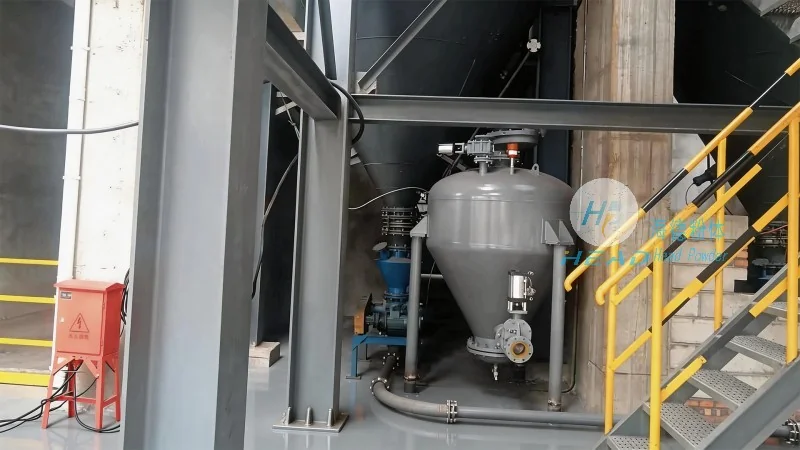
Operation Process of Polyethylene Powder Pneumatic Conveying Lines
The operation process of a polyethylene powder pneumatic conveying line involves several sequential steps. First, the polyethylene powder is loaded into the hopper or feeder. The feeder then regulates the flow rate, ensuring a consistent supply of material into the system. Next, the air compressor or blower starts, generating the required air pressure. The air is then introduced into the pipeline, creating a flow that carries the powder from the feeder to the discharge point. The material is transported through the pipeline, with the air velocity maintaining the powder in suspension. At the discharge end, the air and powder are separated, typically using a cyclone or filter, and the polyethylene powder is collected in the receiver. The system then continues to operate, with the air being recycled or vented, depending on the design. This continuous process allows for efficient and uninterrupted transport of polyethylene powder, minimizing downtime and maximizing productivity.
Benefits and Applications
Pneumatic conveying systems for polyethylene powder offer numerous benefits, making them ideal for a wide range of industrial applications. These benefits include reduced product contamination, as the material is not in direct contact with other surfaces; improved safety, as there are no moving parts in the pipeline; and increased efficiency, as the system can handle high volumes of material with minimal labor. Additionally, these systems are flexible and can be easily integrated into existing production lines, allowing for seamless material transport between different stages of the process. Industries such as plastics manufacturing, chemical processing, and food processing all benefit from the use of polyethylene powder pneumatic conveying lines, as they provide a reliable and cost-effective solution for material handling.




