HeadPowder, a leading engineering company based in Shandong, China, specializes in the design, manufacturing, and installation of advanced pneumatic conveying systems for various industrial applications. This article provides a detailed overview of the operation process and working principle of polyethylene pellet pneumatic conveying lines, highlighting the key components and operational steps involved in efficient material handling.
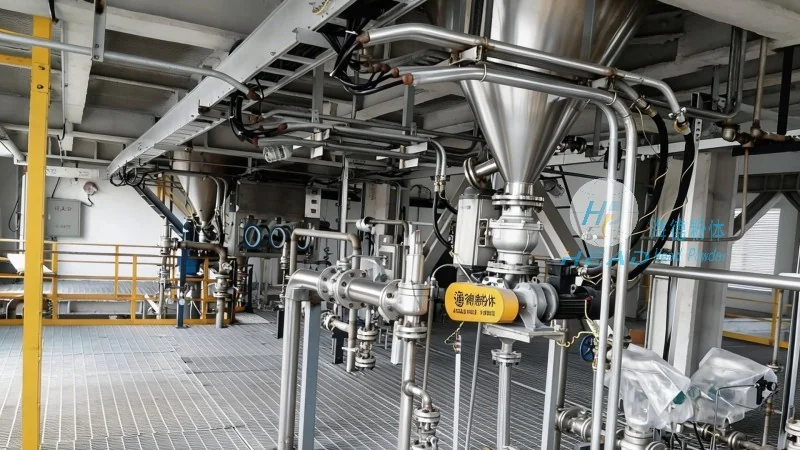
Polyethylene Pellet Pneumatic Conveying Line: An Overview
Polyethylene (PE) pellets are widely used in the plastics industry due to their versatility and ease of processing. The pneumatic conveying line is an essential system for transporting these lightweight, free-flowing pellets from storage silos or production areas to processing units. A well-designed system ensures minimal product degradation, consistent flow rates, and reliable operation, which are critical for maintaining product quality and production efficiency.
Key Components of the Pneumatic Conveying System
The polyethylene pellet pneumatic conveying line typically consists of several key components that work in tandem to achieve efficient material transport. These include:
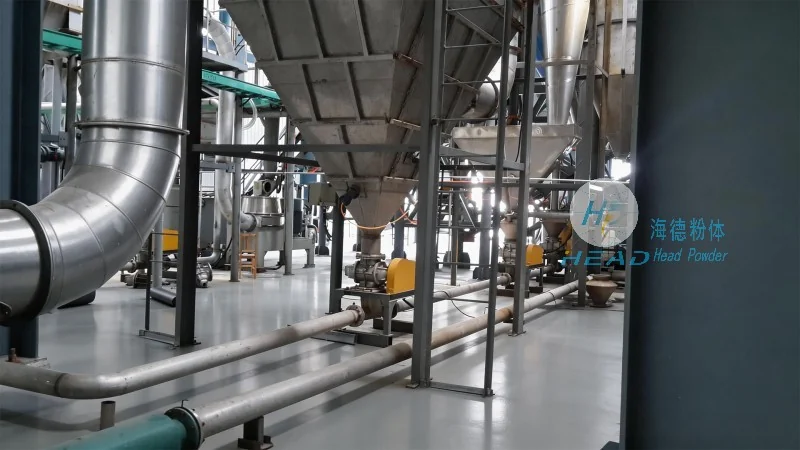
- Feeder: The feeder is responsible for controlling the flow rate of polyethylene pellets from the storage hopper into the conveying line. It ensures a steady and uniform feed, preventing blockages and maintaining consistent pressure within the system.
- Conveying Pipe: The main pipeline where compressed air or gas is used to transport the pellets. The pipe is usually made of durable materials such as stainless steel or high-density polyethylene to withstand the abrasive nature of polyethylene pellets and the pressure of the conveying medium.
- Compressor/Blower: The compressor or blower generates the necessary air pressure to move the pellets through the pipeline. The choice between positive pressure (blowing air into the pipe) and negative pressure (sucking air out of the pipe) depends on the system design and the distance and height of the material transport.
- Control Valves: These valves regulate the flow of air and the material, allowing for precise control over the conveying process. They can be used to start, stop, or adjust the flow rate as needed.
- Receiver: The receiver is the destination where the polyethylene pellets are deposited. It may include a hopper or a storage tank to accommodate the received material, ensuring smooth downstream processing.
Operation Process of the Polyethylene Pellet Pneumatic Conveying Line
The operation of the polyethylene pellet pneumatic conveying line involves a series of steps that ensure efficient and safe material transport. The process typically begins with the following sequence:
- System Preparation: Before starting the conveying operation, the system is prepared by checking the integrity of all components, ensuring that the feeder is properly loaded with polyethylene pellets, and verifying that the compressor or blower is functioning correctly.
- Start-up Procedure: The compressor is activated, and the control valves are adjusted to the appropriate settings. The feeder is then started, allowing the polyethylene pellets to enter the conveying pipe at a controlled rate.
- Conveying Phase: As the pellets are introduced into the pipe, the compressed air or gas propels them forward. The flow rate is monitored to ensure that the pellets are conveyed at an optimal velocity, preventing excessive pressure drops or material deposition.
- Destination Arrival: The polyethylene pellets reach the receiver, where they are deposited into the storage hopper or processing unit. The control valves may be adjusted to slow down or stop the flow as the receiver fills.
- System Shutdown: Once the conveying operation is complete, the compressor is turned off, and the control valves are closed to prevent backflow. The system is then inspected for any residual material or air leakage.
Working Principle of Pneumatic Conveying for Polyethylene Pellets
The working principle of the polyethylene pellet pneumatic conveying line is based on the fundamental concept of transporting solid particles using a gas stream. There are two primary methods of pneumatic conveying: positive pressure (or pressure) conveying and negative pressure (or vacuum) conveying. The choice of method depends on the specific requirements of the application, such as the distance, height, and material characteristics.
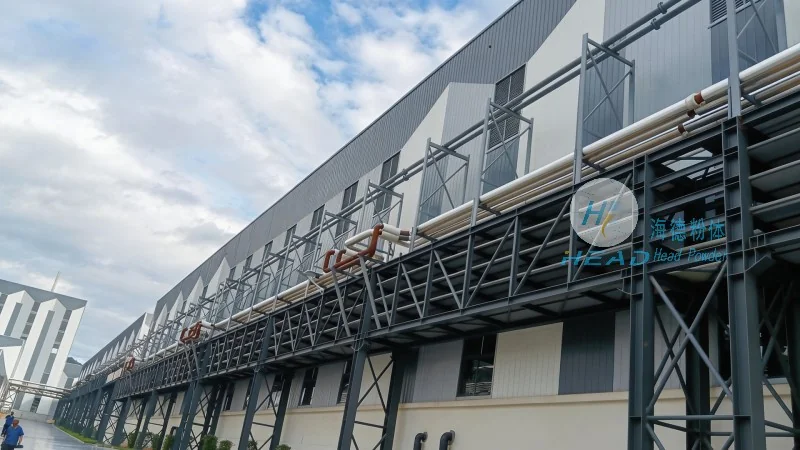
In positive pressure conveying, compressed air is introduced into the conveying pipe, creating a pressure higher than the ambient air pressure. The air flows through the pipe, carrying the polyethylene pellets along with it. The pellets are suspended in the air stream and transported to the receiver. This method is commonly used for short to medium distances and for materials that are not sensitive to pressure changes.
In negative pressure conveying, a vacuum is created at the receiver end of the pipe, drawing air and the polyethylene pellets from the feeder into the pipe. The air flows from the high-pressure feeder side to the low-pressure receiver side, carrying the pellets with it. This method is often used for longer distances or when the material needs to be transported from a higher elevation to a lower one.
The interaction between the polyethylene pellets and the air stream is governed by several factors, including the particle size, density, and shape, as well as the air velocity and pressure. The pellets are typically suspended in the air stream at a velocity that is higher than the terminal velocity of the particles, ensuring efficient transport without excessive wear on the system components.
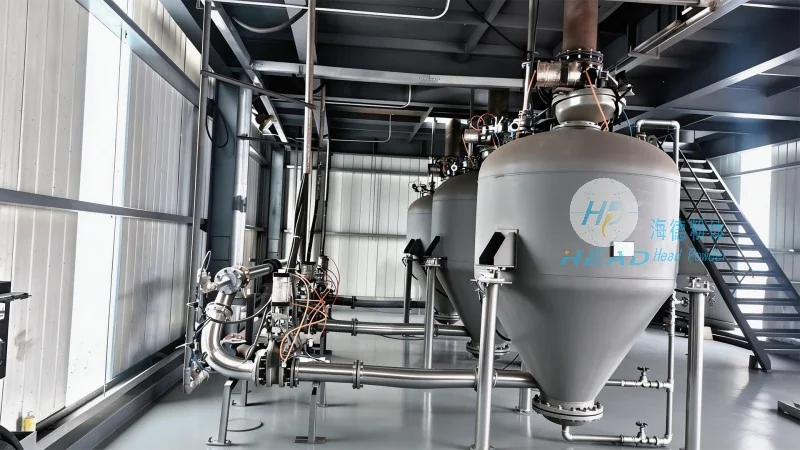
Benefits and Applications of Polyethylene Pellet Pneumatic Conveying Lines
The use of pneumatic conveying systems for polyethylene pellets offers several advantages over traditional mechanical conveying methods. These include:
- Reduced Product Degradation: Pneumatic conveying minimizes the risk of product degradation due to less contact with mechanical components and reduced friction.
- Improved Safety: The enclosed system prevents dust emissions and reduces the risk of fire or explosion, which is particularly important for polyethylene pellets that are flammable.
- Space Efficiency: Pneumatic conveying systems can be installed in confined spaces, making them suitable for facilities with limited floor space.
- Flexibility: The system can be easily modified or expanded to accommodate changes in production requirements or to transport different materials.
These systems are widely used in the plastics industry for transporting polyethylene pellets from storage to extrusion lines, injection molding machines, and other processing equipment. They are also used in other industries, such as food processing and pharmaceuticals, where similar material handling requirements exist.




