Polyethylene pneumatic conveying systems are essential in material handling and processing industries, particularly for transporting polyethylene powders and granules efficiently. These systems utilize air as the conveying medium to move polyethylene materials from one location to another, offering advantages such as reduced contamination, improved safety, and enhanced process control. Understanding the classification and composition of these systems is crucial for selecting the most suitable solution for specific industrial applications.
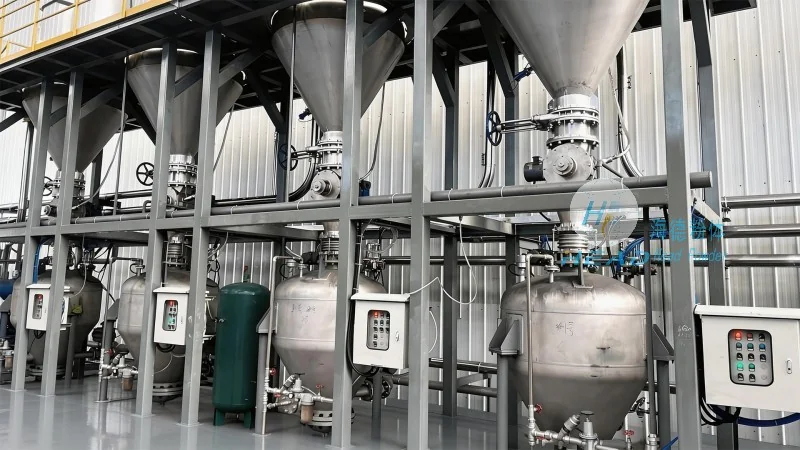
Classification of Polyethylene Pneumatic Conveying Systems
Polyethylene pneumatic conveying systems can be classified based on several key factors, including the conveying principle, material properties, and operational requirements. The primary classification includes:
1. Positive Pressure Systems: These systems generate air pressure above atmospheric pressure to move polyethylene materials. They are suitable for long-distance and high-capacity conveying, as they can overcome significant resistance and maintain consistent flow rates. Positive pressure systems typically use blowers or compressors to supply the necessary air pressure.
2. Negative Pressure (Vacuum) Systems: These systems create a vacuum in the conveying line to draw polyethylene materials from the source. They are ideal for applications requiring gentle handling of delicate or fine polyethylene powders, as the lower air velocity reduces particle breakage and degradation. Negative pressure systems are often used for short-distance conveying and in environments where dust control is critical.
3. Hybrid Systems: Combining elements of both positive and negative pressure systems, hybrid systems offer flexibility in conveying different types of polyethylene materials. They can be configured to operate in either positive or negative pressure modes, depending on the specific material characteristics and process requirements.
Key Components of Polyethylene Pneumatic Conveying Systems
The composition of a polyethylene pneumatic conveying system involves several critical components that work together to ensure efficient and reliable operation. These components include:
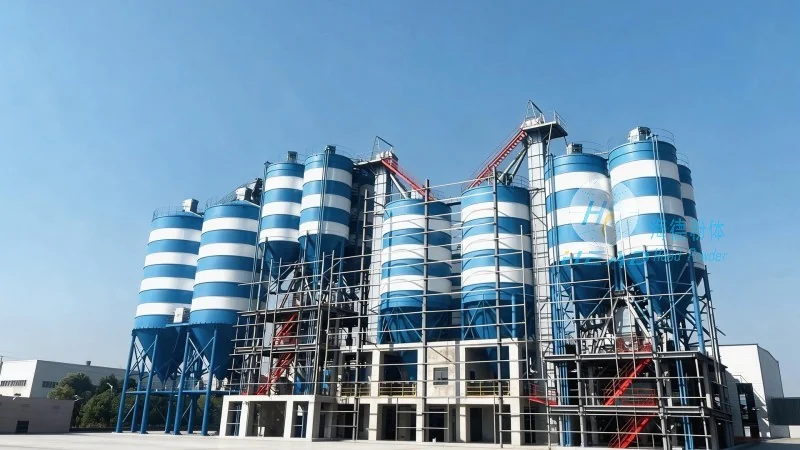
- Conveying Hopper: The hopper is the storage and feeding unit where polyethylene materials are loaded before being conveyed. It is designed to maintain a consistent material level and provide a smooth flow of material into the conveying line. The hopper may include features such as level sensors, agitators, or vibrators to prevent material bridging and ensure uniform feeding.
- Air Supply Unit: This component generates the necessary air pressure or vacuum for the conveying process. It typically consists of a blower or compressor, air filter, and pressure regulator. The air supply unit ensures that the air is clean and free from contaminants that could affect the quality of the polyethylene material.
- Conveying Line: The conveying line is the main pipeline through which polyethylene materials are transported. It is usually made of materials such as stainless steel, plastic, or metal, depending on the material's properties and the system's operating conditions. The line may include bends, elbows, and straight sections, with appropriate fittings and valves to control the flow direction and pressure.
- Solids Separation Unit: After the polyethylene material reaches its destination, the conveying line may need to separate the material from the air. This is typically achieved using a cyclone separator or a bag filter. The separator collects the polyethylene particles and returns them to the process, while the air is discharged to the atmosphere or recirculated.
- Control System: The control system manages the operation of the entire polyethylene pneumatic conveying system. It includes sensors, controllers, and valves that monitor and adjust the air pressure, material flow rate, and system temperature. The control system ensures that the system operates within safe and efficient parameters, preventing overloading or under-conveying.
Application Examples and System Design Considerations
Polyethylene pneumatic conveying systems are widely used in various industries, including plastics manufacturing, chemical processing, and food processing. For example, in the plastics industry, these systems are used to transport polyethylene pellets from storage silos to extrusion lines or molding machines. In chemical processing, they are employed to move polyethylene powders from reactors to storage tanks or processing units. The systems are also used in food processing to convey polyethylene-coated or polyethylene-based materials, ensuring hygienic and efficient handling.
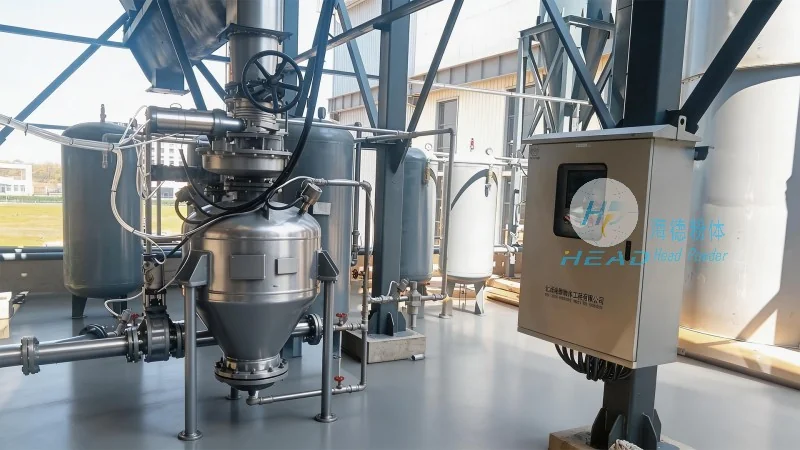
When designing a polyethylene pneumatic conveying system, several factors must be considered to ensure optimal performance and reliability. These factors include:
- Material Properties: The physical and chemical properties of the polyethylene material, such as particle size, density, and moisture content, affect the system's design. For example, fine polyethylene powders may require lower air velocities to prevent particle breakage, while larger granules can be conveyed at higher velocities.
- Conveying Distance and Capacity: The distance between the source and destination, as well as the required material flow rate, determine the system's size and power requirements. Longer conveying distances may require higher air pressure or larger blower capacity to maintain sufficient flow rates.
- Environmental Factors: The system's operating environment, including temperature, humidity, and dust levels, influences the choice of materials for the conveying line and components. For example, in high-temperature applications, the conveying line may need to be insulated to prevent heat loss or damage to the polyethylene material.
- Safety and Maintenance: Safety features, such as explosion-proof components and emergency shut-off valves, are essential in polyethylene pneumatic conveying systems, especially when handling flammable or hazardous materials. Regular maintenance, including cleaning and inspection of components, is crucial to ensure the system's long-term performance and reliability.




