The pneumatic conveying line for calcium carbonate powder, manufactured by Shandong HeadPowder Engineering Co., Ltd., is a sophisticated system designed to efficiently transport fine powder materials. This equipment is widely used in industries such as chemical, food, and pharmaceuticals, where the handling of calcium carbonate powder requires precision and reliability. The system operates by utilizing air as the conveying medium, enabling the seamless movement of the powder from the loading point to the discharge point.
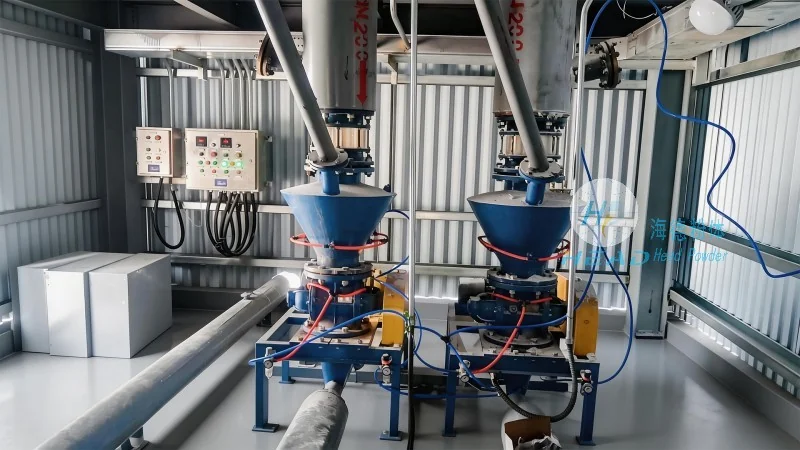
Key Components and Their Roles in the System
The calcium carbonate powder pneumatic conveying line consists of several critical components that work in tandem to ensure smooth operation. These include the material hopper, which serves as the storage and feeding unit; the air compressor or blower, which generates the necessary air pressure for conveying; the conveying pipeline, which transports the powder-air mixture; the separation and cleaning system, which separates the powder from the air and cleans the system; and the discharge hopper or tank, where the powder is collected. Each component plays a vital role in maintaining the efficiency and effectiveness of the entire process.
Step-by-Step Operation Process
The operation of the calcium carbonate powder pneumatic conveying line follows a systematic sequence of steps. First, the calcium carbonate powder is fed into the material hopper from the storage silo. The hopper is equipped with a feeder, typically a rotary valve or a screw feeder, which controls the flow rate of the powder into the system. Simultaneously, the air compressor starts and supplies compressed air to the conveying pipeline. The compressed air then creates a pressure differential, drawing the powder particles into the pipeline as a slurry with the air. The mixture travels through the pipeline, which may include bends, elbows, and straight sections, to reach the discharge point. At the discharge end, the separation system, such as a cyclone separator or a filter, separates the powder from the air. The powder is collected in the discharge hopper, while the air is either recirculated back to the system or vented to the atmosphere after being filtered.
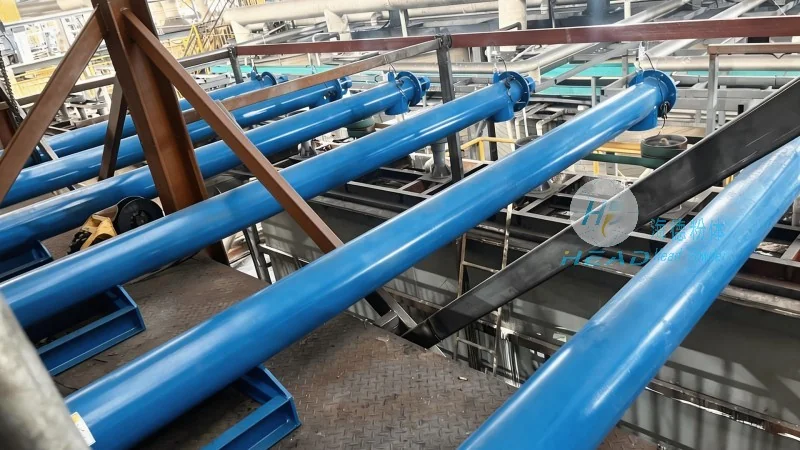
Working Principle of Pneumatic Conveying
The working principle of the calcium carbonate powder pneumatic conveying line is based on the principles of fluid dynamics and particle motion. There are two main types of pneumatic conveying systems: positive pressure and negative pressure. In a positive pressure system, the air compressor supplies compressed air to the entire pipeline, creating a high-pressure environment that forces the powder-air mixture through the system. The positive pressure system is suitable for long-distance and high-capacity conveying. In a negative pressure system, the air is drawn from the discharge end of the pipeline, creating a vacuum that pulls the powder into the system. The negative pressure system is often used for short-distance conveying and for applications where dust control is a priority. The calcium carbonate powder, being a fine particulate material, is carried by the air stream in the form of a suspension. The air velocity within the pipeline must be sufficient to overcome the gravitational forces and the frictional resistance of the powder particles, ensuring that the powder remains in suspension and is transported efficiently.
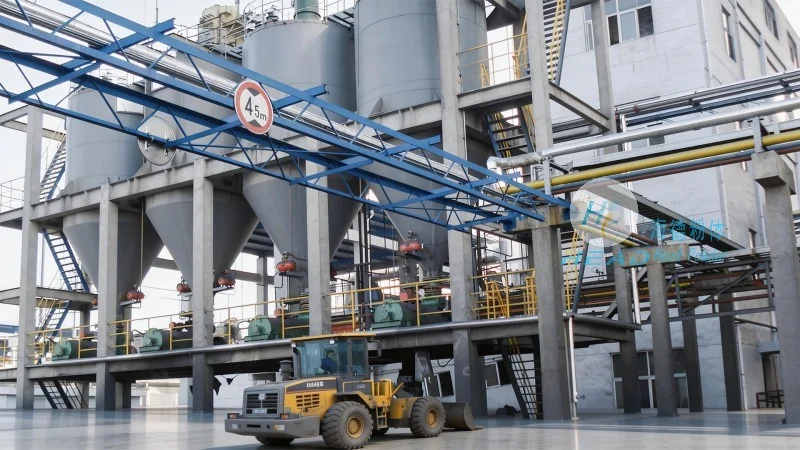
Advantages of Using a Pneumatic Conveying Line for Calcium Carbonate Powder
Implementing a pneumatic conveying line for calcium carbonate powder offers several advantages over traditional methods such as belt conveyors or bucket elevators. Firstly, it provides a dust-free and hygienic environment, which is crucial for industries like food and pharmaceuticals where contamination must be minimized. The enclosed system prevents the powder from being exposed to the air, reducing the risk of dust inhalation and product contamination. Secondly, the system is highly flexible and can be easily integrated into existing production lines. It can handle varying flow rates and can be adjusted to accommodate different powder types and particle sizes. Thirdly, the pneumatic conveying line is energy-efficient compared to other conveying methods, as it uses air as the primary medium, which is more economical than mechanical systems. Additionally, the system is compact and requires less floor space, making it suitable for facilities with limited space.
Maintenance and Operational Considerations
To ensure the optimal performance and longevity of the calcium carbonate powder pneumatic conveying line, regular maintenance and proper operational considerations are essential. The system should be inspected regularly for any signs of wear and tear, such as leaks in the pipeline or damage to the components. The air compressor and blower should be checked for proper functioning, including the pressure and flow rates. The separation system, such as the cyclone or filter, should be cleaned regularly to prevent clogging and maintain efficiency. The material hopper and feeder should be checked for any blockages or buildup of powder, which can affect the flow rate. It is also important to monitor the air quality and pressure within the system to ensure that the powder is being conveyed effectively. Proper training of operators is also crucial to ensure that the system is operated correctly and safely.




